Address
304 North Cardinal St.
Dorchester Center, MA 02124
Work Hours
Monday to Friday: 7AM - 7PM
Weekend: 10AM - 5PM
Address
304 North Cardinal St.
Dorchester Center, MA 02124
Work Hours
Monday to Friday: 7AM - 7PM
Weekend: 10AM - 5PM


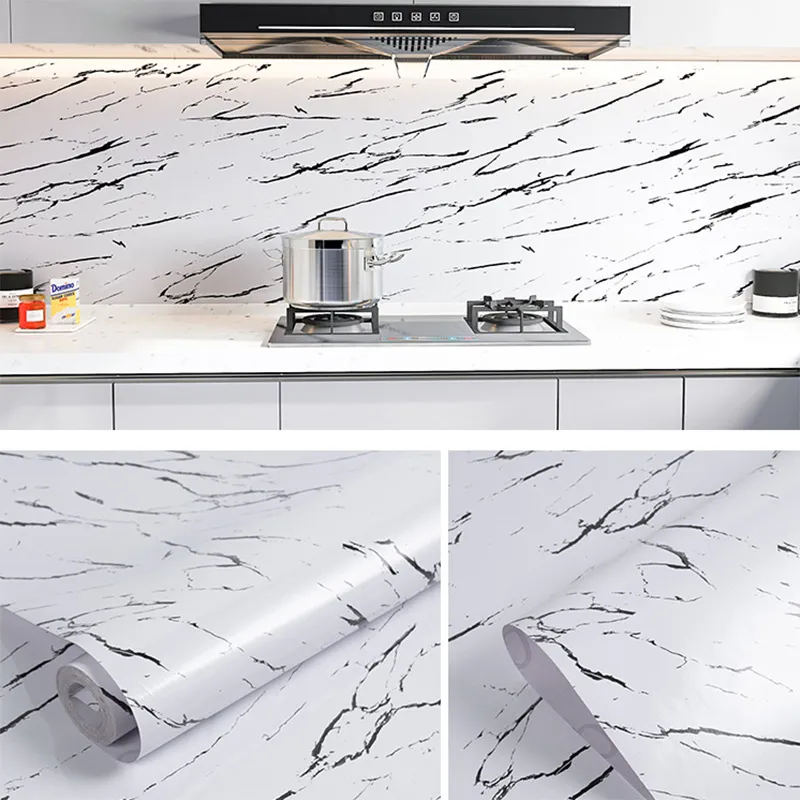
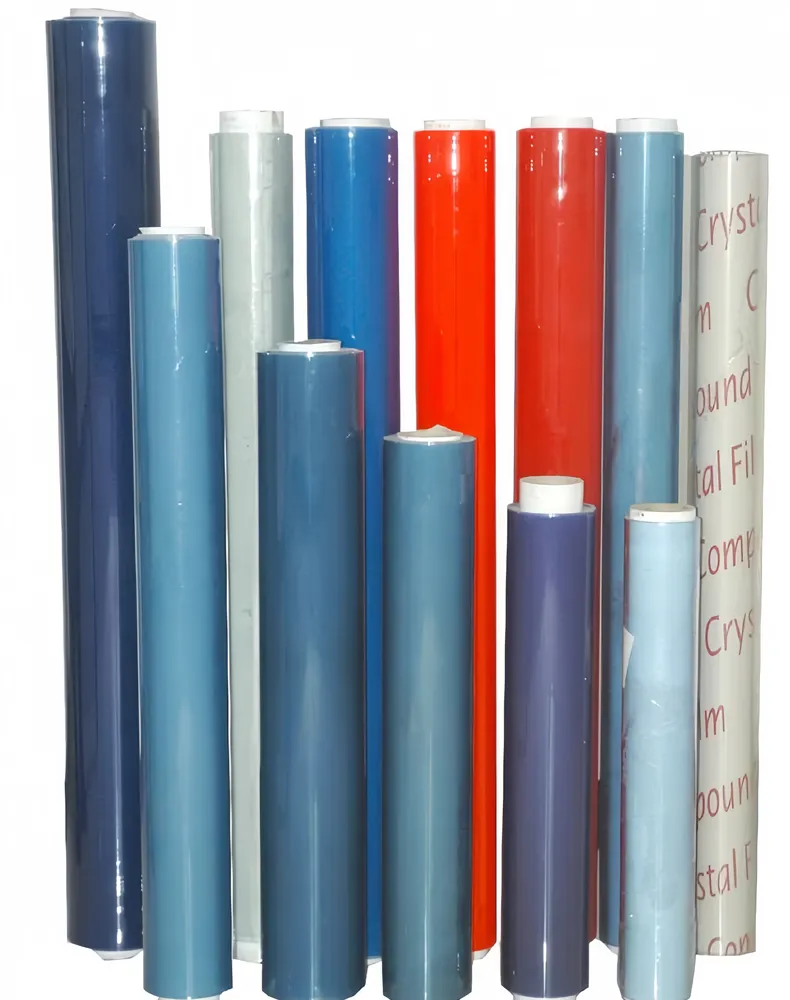
The reason PVC film often stands up to scratches better than you expect comes down to chemistry, manufacturing, and surface design. Whether used for flooring, furniture wrap, or protective overlays, scratch resistance is a combination of material formulation, surface finish and protective coatings. This guide explains the common reasons PVC film is scratch-resistant and practical ways to improve durability for both manufacturers and end users.
Scratch resistance is rarely a single property—it’s an outcome of multiple factors working together. Below are the most important contributors.
PVC raw compounds can be customized with hardness modifiers, stabilizers, and fillers that increase surface toughness. Common approaches include:
– Adding rigid PVC copolymers to raise matrix hardness.
– Incorporating nano- or micro-fillers (SiO2, TiO2) that produce a tougher microstructure.
– Using UV stabilizers and antioxidants so the surface doesn’t embrittle and scratch easily over time.
Many scratch-resistant films use an outer coating or cured top layer to protect the PVC base. Typical solutions:
– UV-cured hardcoats (acrylic or urethane) that create a high-hardness surface.
– Anti-abrasion laminates applied during calendering or lamination.
– Hard anodized-like or crosslinked layers that improve micro-scratch resistance without changing appearance.
The production method strongly impacts surface performance. Calendered films with precise thickness control produce smoother, more consistent surfaces. Embossing or textured surfaces can hide minor scratches—textured films often appear less scratched than glossy films because scratches blend into the texture.
Manufacturers use standard tests to quantify resistance. Understanding these helps choose the right film for the application.
| Test | What it Measures | Typical Result/Note |
|---|---|---|
| Abrasion (Taber) | Wear cycles to visible wear | High-quality coated PVC: >1,000 cycles |
| Pencil Hardness | Surface hardness vs pencils (6B–9H) | Coated films often 2H–4H |
| Scratch Visibility | Visual rating under light | Textured surfaces score better than glossy |
For makers:
For specifiers and end users:
Not every project needs an ultra-hard surface. High-end UV-cured coatings add cost but deliver measurable scratch performance for public or heavy-use installations. For budget projects, textured PVC with a moderate hardcoat is often the best compromise.
– Residential furniture: textured matte film with moderate hardcoat.
– Commercial flooring and kiosks: multi-layer films with high-abrasion topcoats.
– Automotive trim: UV-cured coatings + flexibility control to resist edge cracking.
Regular cleaning, avoiding sharp objects, and using protective accessories (mats, bumpers) significantly extend the appearance life of PVC film surfaces. For glossy films, consider a soft microfiber cloth and a neutral cleaner to maintain shine without micro-scratches.
Pulivk (Henan Pulivk New Materials Co., Ltd.) controls full in-house production—from calendering to printing and split-packaging—so customers can specify finishes, coatings and tests to match scratch-resistance requirements for different markets and end uses.