Address
304 North Cardinal St.
Dorchester Center, MA 02124
Work Hours
Monday to Friday: 7AM - 7PM
Weekend: 10AM - 5PM
Address
304 North Cardinal St.
Dorchester Center, MA 02124
Work Hours
Monday to Friday: 7AM - 7PM
Weekend: 10AM - 5PM


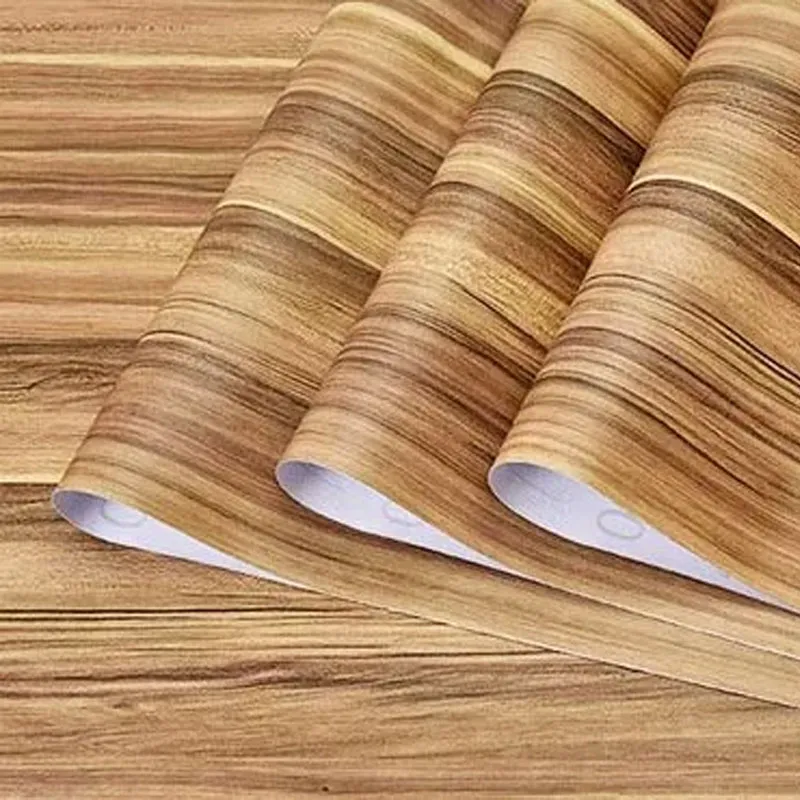
Low yield in PVC film production can hurt margins, delay delivery, and damage customer trust. This guide breaks down the most common root causes behind low yield on calendering and film lines, and gives practical, production-tested improvements you can implement quickly to raise first-pass rates and stabilize output.
Material inconsistencies: Variations in PVC resin grade, plasticizer quality, stabilizers, and fillers lead to poor flow, film defects, and increased scrap. Impurities or moisture in raw materials often cause surface spots and pinholes.
Incorrect compounding and mixing: Uneven masterbatch dispersion, poor plasticizer absorption, or inaccurate additive dosing will change melt viscosity and produce thickness variation, brittleness, or tackiness.
Calender roll alignment, temperature control, nip pressure, and roll surface condition all directly affect gauge control and surface finish. Small deviations cause wrinkles, gauges out of spec, or entrapped air.
High humidity, dust, and contamination in the production or winding areas can deposit particles between layers and create rejects. Improper handling during spooling or cutting increases edge damage and wasted length.
Operator skills & QC gaps: Lack of standardized operating procedures, insufficient training, or limited in-line inspection capability lets small issues snowball into large yield losses.
Ink mismatches, drying issues, and poor register control contribute to rejects on printed PVC films. Post-processing like lamination or slitting that isn’t tightly controlled also reduces finished yield.
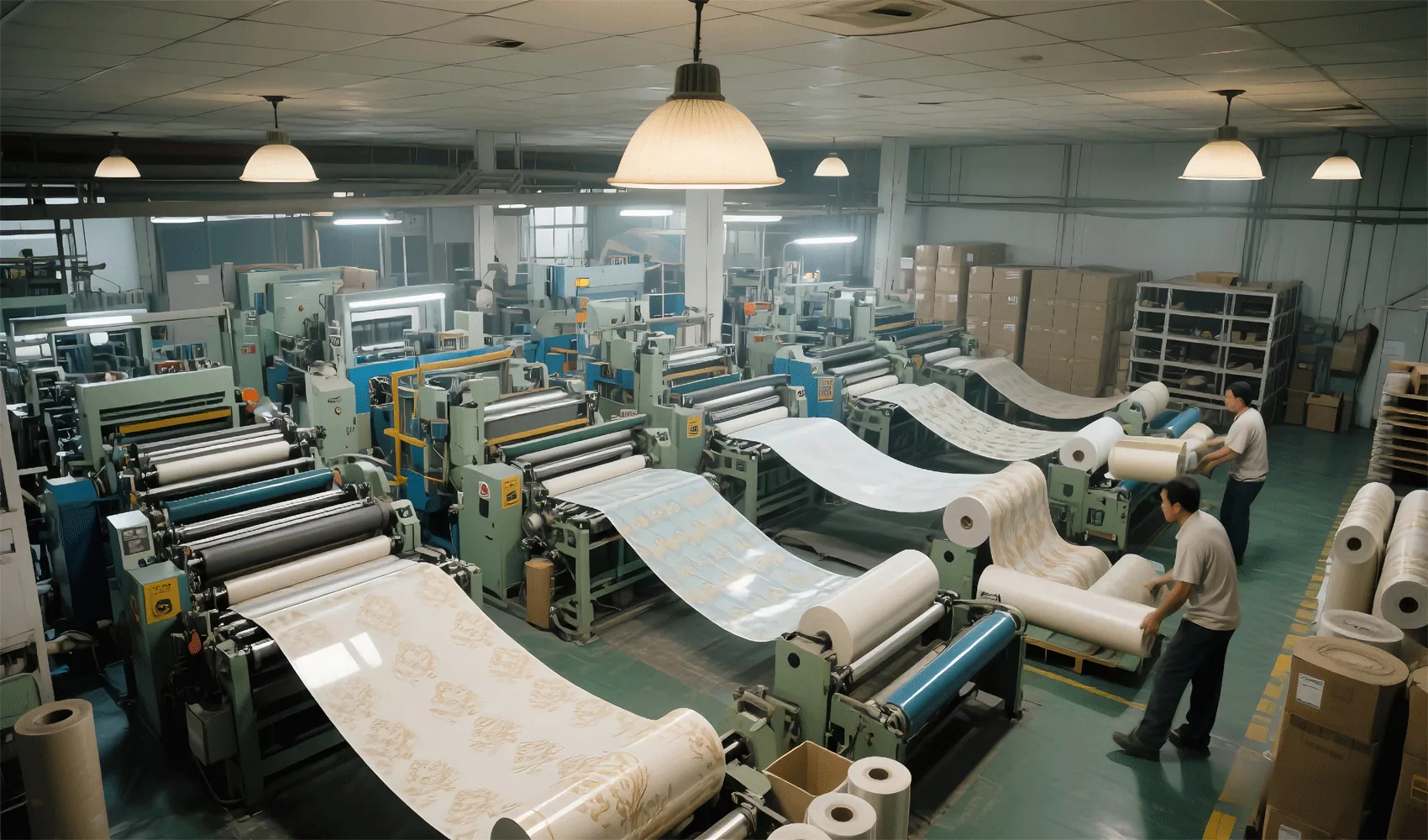
Begin with data: track scrap cause codes for at least two weeks, measure thickness variation across rolls, and log machine settings when rejects appear. That correlation points directly to root causes — material, machine, or process.
Inspect incoming raw materials certificates and sample for moisture/contamination.
Log roll temperatures, nip pressure, and calender speed during each shift.
Run a short training checklist for operators covering common defects and corrective steps.
1. Standardize raw material specs: Lock down resin, plasticizer, stabilizer ranges and approved suppliers. Use certificate checks and random incoming QC sampling to catch deviations before they hit the line.
2. Optimize compounding and masterbatch: Improve dispersion with controlled mixing times and verified batch recipes. Maintain weigh scales and dosing pumps to reduce formulation drift.
3. Tighten calender control: Implement roll alignment protocols, maintain polished roll surfaces, and install or verify thickness gauges. Consistent temperature across the roll stack is crucial — small gradients cause major gauge fluctuation.
Introduce clean-room level routines at critical areas: dust control, humidity management, and protected winding stations. Use protective PE wrap or kraft paper on slit rolls to avoid contamination in storage.
Create simple SOPs for each shift covering start-up, steady-state checks, and shutdown. Use visual defect guides and daily scrap review meetings so teams learn to detect and correct issues faster.
| Symptom | Likely Cause | Immediate Fix |
|---|---|---|
| Thickness variation | Roll misalignment, temp gradient, inconsistent melt | Realign rolls, stabilize temperatures, check compounding |
| Surface spots/pinhole | Contaminated raw materials or dust | Inspect incoming batches, improve filtration, clean line |
| Wrinkles & edge defects | Uneven tension or poor winding | Adjust tension settings, train winder operators |
| Printing streaks | Ink cure issue or register problem | Tune drying settings, recalibrate printing station |
Adopt a continuous improvement plan: root cause analysis on major scrap categories, predictive maintenance for calender gear and heating systems, and supplier partnerships to stabilize raw material quality. Implement SPC (statistical process control) charts on key parameters like thickness, temperature, and tension.
One-stop production control: If you’re evaluating suppliers or looking to consolidate manufacturing steps, consider partners with full in-house capabilities — from compounding and calendering to printing and split-packaging — to reduce variability across the chain. Henan Pulivk New Materials Co., Ltd. operates integrated lines that illustrate how vertical control reduces root-cause waste.
Document and enforce raw material specs and incoming checks.
Calibrate gauges and align rolls weekly; inspect roll surfaces daily.
Train operators with defect libraries and quick corrective actions.
Use data (SPC) to detect drift before it becomes scrap.
Addressing low yield requires disciplined material control, optimized process settings, and a proactive culture focused on prevention. Start with the data, fix the highest-impact items first, and measure improvements to keep raising first-pass yield across your PVC film lines.