Address
304 North Cardinal St.
Dorchester Center, MA 02124
Work Hours
Monday to Friday: 7AM - 7PM
Weekend: 10AM - 5PM
Address
304 North Cardinal St.
Dorchester Center, MA 02124
Work Hours
Monday to Friday: 7AM - 7PM
Weekend: 10AM - 5PM


 ByPulivk
Air duct films are specialized protective and functional films designed for HVAC systems, offering corrosion resistance, moisture barriers, and easy installation for commercial, industrial, and residential ductwork. This guide explains how a modern air duct film factory produces reliable HVAC duct films, what specifications matter when sourcing, and how manufacturers deliver custom, cost-effective solutions to meet project demands.
Working with an experienced duct film supplier ensures consistent material performance across long runs of ductwork. Key benefits include improved installation speed, prolonged duct lifespan, and reduced maintenance costs. High-quality films can provide anti-corrosion protection, vapor and moisture barriers, and surface finishes that enhance airflow integrity while meeting industry handling requirements.
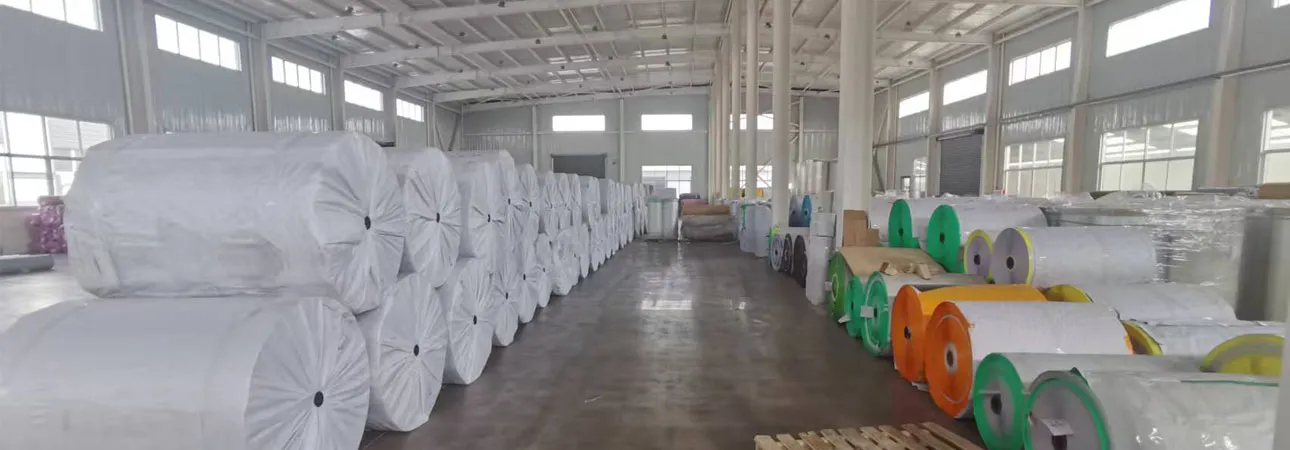
A capable factory uses calendering, lamination and printing processes to produce single-layer and multi-layer films tailored for HVAC uses. These production methods control thickness, adhesion properties, and surface textures—crucial for films used inside or outside duct systems. Pulivk (Henan Pulivk New Materials Co., Ltd.) operates full in-house calendering, printing and split-packaging lines to ensure end-to-end quality and reliable lead times: https://pvcfilmtec.com/
Air duct films are often produced from PVC, PE, aluminum-foil laminates, or composite films that combine a vapor barrier with a protective outer layer. Typical functional layers include:
Manufacturers offer a broad range of HVAC duct films to suit different applications—from protective transport films to long-term inner-liner barrier films. Below is a snapshot of typical product options and their common specs:
| Film Type | Thickness (μm) | Primary Application | Lead Time |
|---|---|---|---|
| Aluminum-PE Composite | 30 – 200 | Thermal & vapor barrier for HVAC ducts | 2–6 weeks |
| PVC Protective Film | 20 – 120 | Temporary protection during transport/installation | 1–4 weeks |
| Antistatic / Antimicrobial Film | 25 – 150 | Cleanrooms, healthcare HVAC components | 3–8 weeks |
Air duct films are applied in multiple stages: protective wrapping for ducts during transport and installation, long-term inner liners to prevent condensation and corrosion, and outer coverings for insulated ducts. They are widely used in:
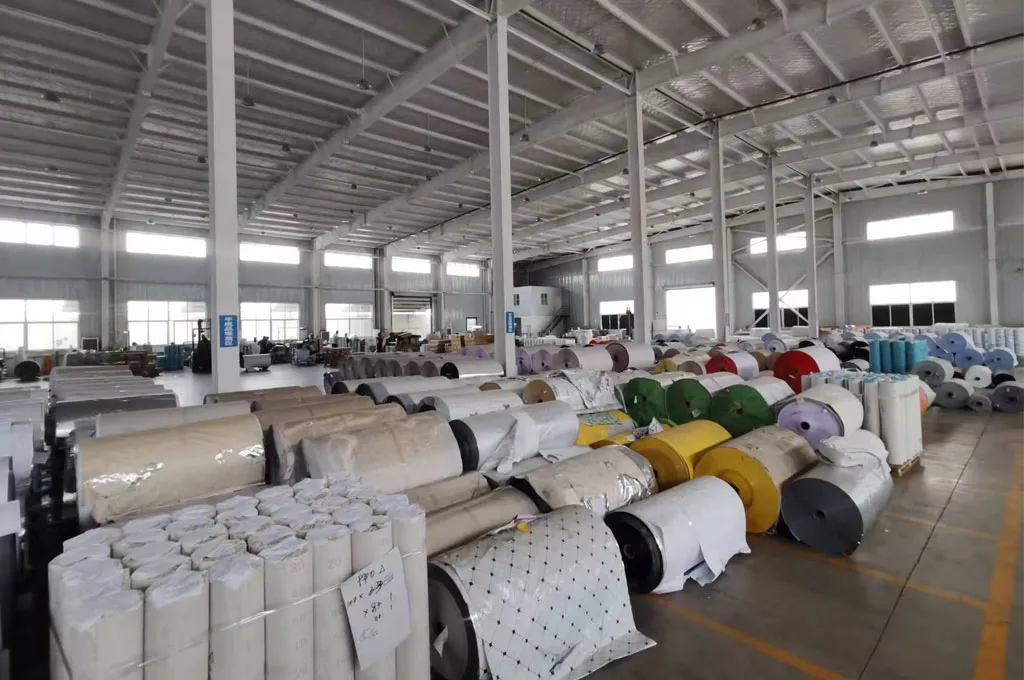
High-quality producers implement multi-point QC from raw materials through final packing to ensure uniform thickness, adhesion, and surface properties. When sourcing duct film, look for consistent sampling reports, tensile and tear strength data, and assurances about flame retardancy or smoke performance to align with local building codes and safety standards.
Manufacturers that support OEM services can tailor sizes, adhesive strengths, printed instructions, and split-packaging to accelerate installation on-site. Customization options commonly include color, printed performance markings, roll length, and inner-core diameters to match contractor equipment. Flexible OEM support reduces field waste and saves installation time.
Optimized split-packaging and clear labeling help logistics and on-site handling. Typical packaging choices include dust-proof PE wrap, kraft paper, and cartons or pallets. Factories with integrated production lines and inventory management can offer more stable lead times and predictable deliveries for large projects.
When evaluating air duct film suppliers, prioritize factories that demonstrate:
Specify film type and thickness based on environmental exposure, expected service life, and local code requirements. Request technical datasheets, installation guidance, and sample rolls for on-site mockups. Working with a manufacturer that provides both technical support and flexible packaging will streamline procurement and installation on HVAC projects.