Address
304 North Cardinal St.
Dorchester Center, MA 02124
Work Hours
Monday to Friday: 7AM - 7PM
Weekend: 10AM - 5PM
Address
304 North Cardinal St.
Dorchester Center, MA 02124
Work Hours
Monday to Friday: 7AM - 7PM
Weekend: 10AM - 5PM


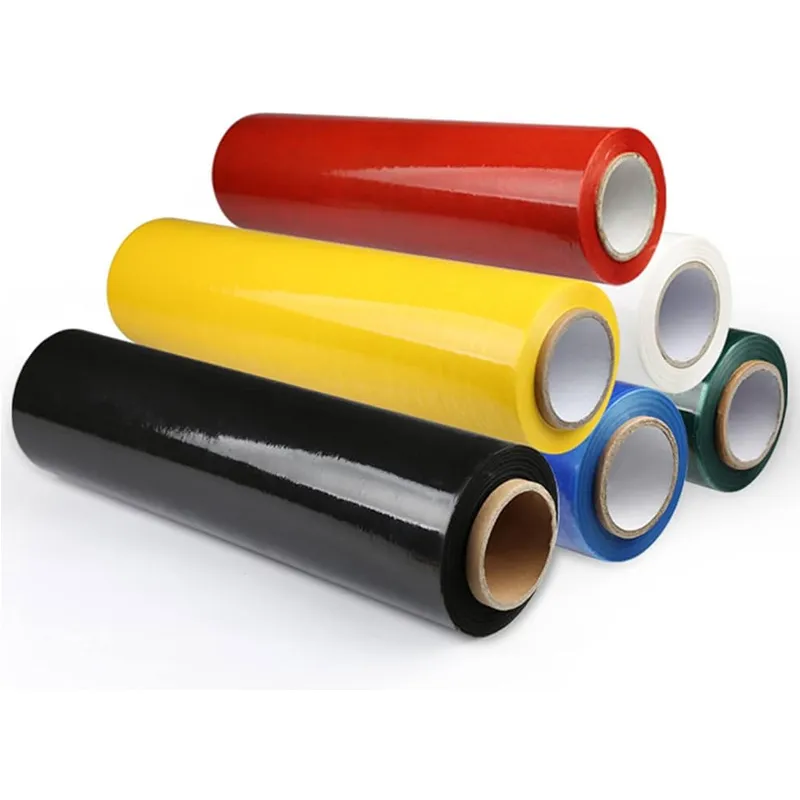
Air duct protective film is an efficient, affordable way to guard HVAC components during construction, renovation, and transport. In Mexico—where coastal humidity, urban dust, and busy construction sites present unique challenges—selecting the right protective film can reduce rework, minimize contamination, and extend the life of ductwork and HVAC equipment.
Construction timelines in Mexican cities like Mexico City, Monterrey, Guadalajara, and coastal regions (Veracruz, Cancún) often overlap with the rainy season or dusty conditions. Protective film for air ducts prevents debris, paint, and moisture from entering HVAC systems during installation and finishing, cutting down commissioning delays and costly cleaning.
Contamination control: Keeps dust, paint overspray and construction residue out of ducts. Corrosion prevention: Protects metal surfaces from humidity-driven oxidation in coastal areas. Faster on-site turnover: Reduces cleaning time before system start-up.
Common uses include HVAC duct protection during building finishes, temporary protection in schools and hospitals, safeguarding ventilation equipment in industrial plants, and protecting sensitive components during long-distance shipping across Mexican states and to neighboring markets.
| Feature | Typical Value | Practical Benefit |
|---|---|---|
| Material | Calendered PVC / PE variants | Durable, flexible protection for curved ducts |
| Thickness | 30–200 μm options | Choose light or heavy-duty film per jobsite risk |
| Adhesive | Removable / low-residue | Easy removal without leaving residue on metal |
| Temperature range | -10°C to 80°C (typical) | Stable during transport and on-site use in varied Mexican climates |
| UV & water resistance | Available options | Extends protection for outdoor storage or coastal exposure |
Proper application speeds removal and improves protection: clean the metal surface before applying the film, use low-residue adhesive films for painted or finished surfaces, and avoid stretching the film excessively during high-temperature installs in tropical regions. For coastal projects, choose UV-stable and moisture-resistant options to prevent degradation.
Remove the film within the recommended window to avoid adhesive transfer. If removal is delayed in hot, sunny areas (e.g., Baja California or Yucatán), peel slowly at a low angle to reduce residue. For stubborn adhesive, follow with a mild solvent approved for the duct material.
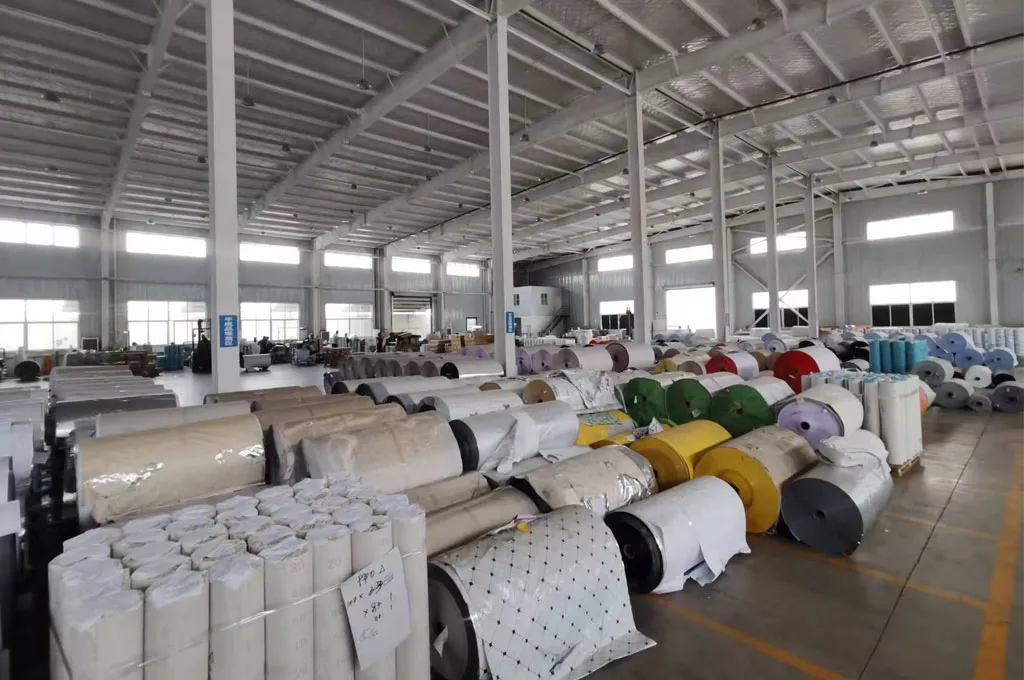
Manufacturers can supply tailored widths, thicknesses, print options, and roll lengths to match Mexican project workflows. Henan Pulivk New Materials Co., Ltd. supports OEM runs, split packaging, and multiple QC checkpoints—helpful for contractors and HVAC suppliers needing consistent batches for large projects.
Reliable lead times, consistent product quality, and export experience matter when sourcing protective film for diverse Mexican climates. Look for manufacturers offering in-house calendering, printing, and split-packaging to ensure quicker turnarounds and fewer supply chain variables.
Q: Which film is best for coastal projects? A: UV-stable, water-resistant films with corrosion-blocking properties. Q: Can film be printed for labeling on-site? A: Yes—custom printing simplifies inventory and installation tracking.
Match film thickness and adhesive type to the project risk: light protection for indoor finishes, heavier film for transportation and exterior storage. For nationwide projects, order mixed-stock rolls to accommodate both inland and coastal sites.
Final note: Effective air duct protection reduces commissioning delays and protects indoor air quality—especially important in Mexico’s varied climates and high-activity construction environments.