Address
304 North Cardinal St.
Dorchester Center, MA 02124
Work Hours
Monday to Friday: 7AM - 7PM
Weekend: 10AM - 5PM
Address
304 North Cardinal St.
Dorchester Center, MA 02124
Work Hours
Monday to Friday: 7AM - 7PM
Weekend: 10AM - 5PM


Air duct protection films are essential for HVAC projects across Argentina — from Buenos Aires renovation sites to industrial installations in Córdoba and cold-climate retrofits in Patagonia. This guide explains how professional-grade duct films protect systems, streamline installation, and cut costs for contractors, facility managers, and HVAC suppliers in Argentina.
Temporary protection: During transport, on-site handling, and construction work, ducts are vulnerable to scratches, dirt, paint splashes, and corrosion. A quality protective film preserves finish and functionality until project handover.
Cleaner installations: Protective films reduce cleaning time after installation — a benefit for Argentine contractors managing busy multi-site schedules and tight project timelines.
Duct protection films are used across a variety of projects:
| Product Type | Typical Thickness | Adhesion Level | Best For |
|---|---|---|---|
| Light PE Protection Film | 20–40 µm | Low | Indoor ducts, short-term use |
| Heavy-Duty PVC Film | 80–150 µm | Medium | Construction sites, long-term protection |
| Printed Safety Film | 30–100 µm | Custom | Branding, instructions, warnings |

Surface prep: Make sure ducts are free from dust, oils, and wet paint before applying film to avoid adhesion issues. In coastal or humid regions near Mar del Plata, allow surfaces to dry fully.
Temperature matters: Apply films within recommended temperature ranges — extreme cold in southern Argentina may require storing films indoors before use.
Removal: Peel slowly at low angles to prevent lifting paint or protective coatings; test a small area first on newly coated ducts.
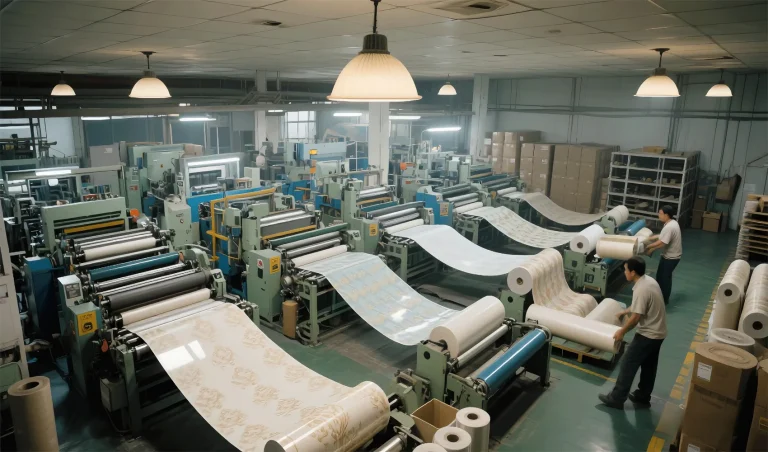
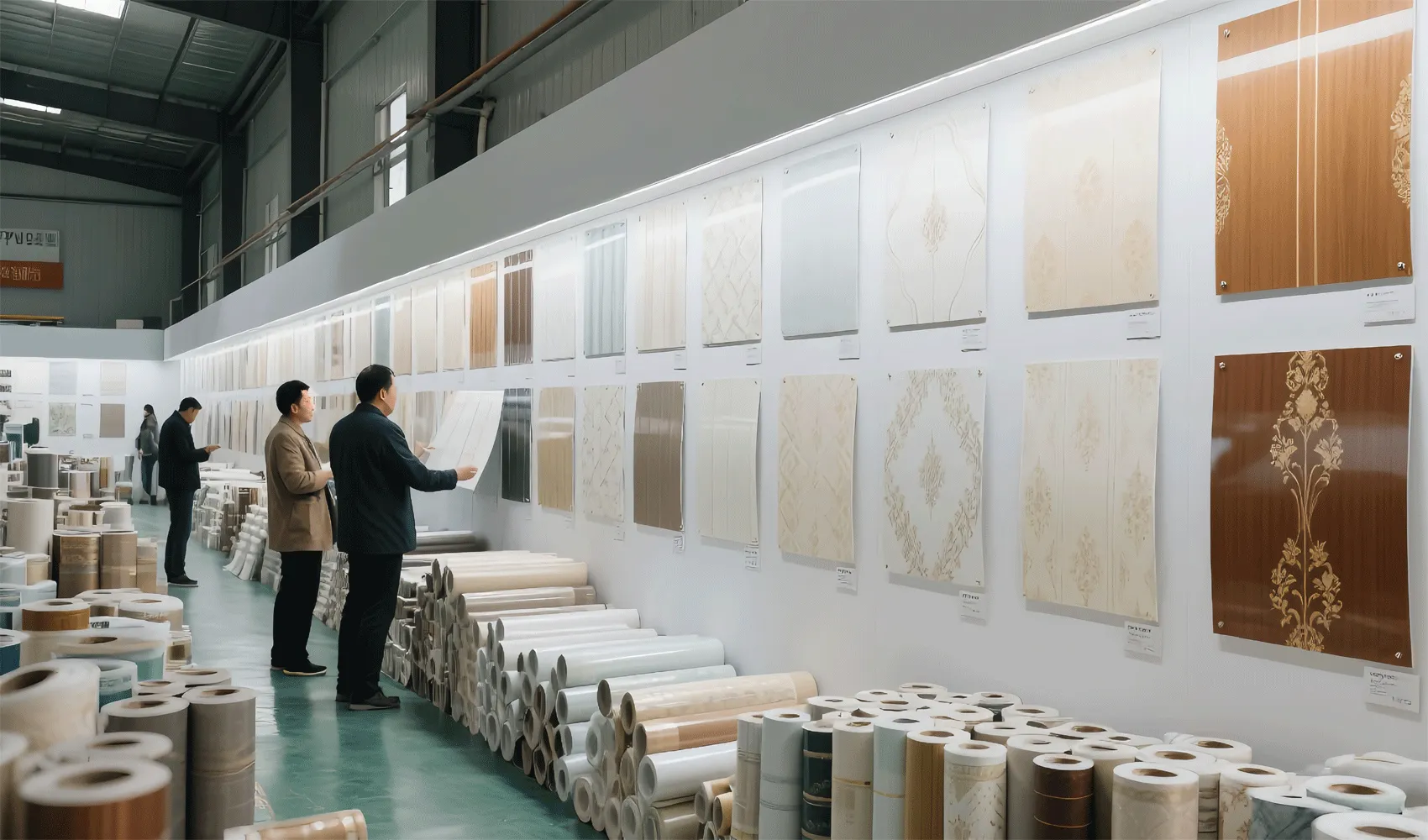
Argentine contractors often need tailored sizes, printed labels in Spanish, and reliable lead times. Choose a manufacturer with full in-house production capabilities for faster turnarounds and consistent quality. Pulivk offers calendering, printing, and split-packaging lines that support OEM customization, split rolls, and export-ready packaging — useful for projects across Argentina and the wider South American region.
Select films that are compatible with local disposal and recycling practices. Where possible, opt for low-VOC adhesives and recyclable PE/PVC films to align with sustainability goals and local waste management policies.
For HVAC contractors and project managers in Argentina, choosing the right duct protection film reduces rework, protects finishes, and speeds up handovers — delivering better outcomes for clients and saving time on-site.