Address
304 North Cardinal St.
Dorchester Center, MA 02124
Work Hours
Monday to Friday: 7AM - 7PM
Weekend: 10AM - 5PM
Address
304 North Cardinal St.
Dorchester Center, MA 02124
Work Hours
Monday to Friday: 7AM - 7PM
Weekend: 10AM - 5PM


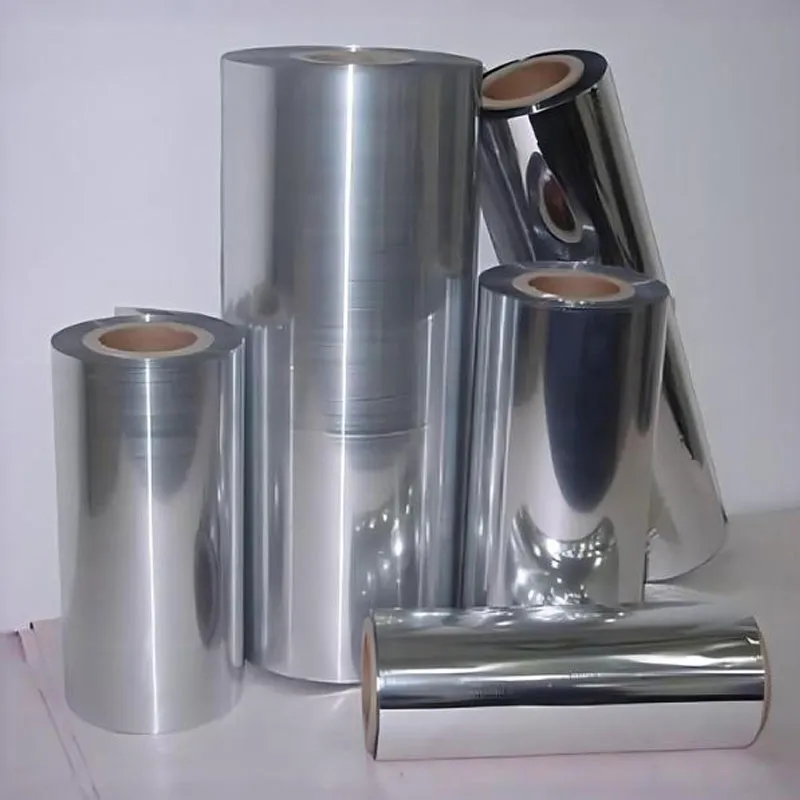
Vietnam’s hot, humid climate and rapidly expanding construction and industrial sectors make reliable HVAC insulation and protection essential. High-quality air duct films offer cost-effective protection against moisture, corrosion, dust and mechanical damage—helping systems run more efficiently and last longer in Southeast Asian environments.
Ductwork installed in Vietnam often faces high humidity, coastal salt exposure, and frequent temperature swings between indoor cooling and outdoor heat. These conditions increase the risk of condensation, corrosion, and biofilm growth, all of which impair airflow and raise energy costs. Properly selected air duct films provide a lightweight, economical barrier that improves thermal performance and protects metal and fiber ducts from early failure.
Corrosion resistance: Prevents rust and degradation in coastal and industrial areas. Moisture control: Reduces condensation and related microbial growth. Easy installation: Lightweight films speed up retrofits and new installations common in urban Vietnamese projects.
PVC and calendered films are widely used for duct protection. Available options include anti-static films, self-adhesive films for quick bonding, frosted and transparent films for inspection windows, and multi-layer composite films for enhanced thermal and mechanical resistance.
Choose films based on duct material, exposure conditions, and maintenance plans. For coastal sites or chemical plants near Vietnamese ports, prioritize corrosion-resistant and thicker multi-layer films. For residential and commercial HVAC in Ho Chi Minh City or Hanoi, thin self-adhesive films provide fast, low-cost protection while allowing periodic inspection.
| Film Type | Best For | Key Feature | Typical Lifespan |
|---|---|---|---|
| Transparent Calendered PVC | Inspection ports, indoor ducts | Clear visual inspection, flexible | 5–8 years |
| Multi-layer Composite Film | Outdoor ducts, industrial plants | High mechanical & thermal resistance | 8–12 years |
| Self-adhesive PVC Film | Rapid retrofits in commercial buildings | Quick application, low labor cost | 4–7 years |
| Anti-static / Antimicrobial Film | Hospitals, laboratories, food facilities | Minimizes dust attraction and microbes | 6–10 years |
To maximize performance in humid climates, ensure duct surfaces are clean and dry before applying film. Seal all seams and fasteners with compatible tapes or adhesives rated for local temperatures. For coastal buildings, add an extra protective layer and check for salt corrosion periodically.
Inspect films annually for tears, lifting edges, or condensation spots. Replace damaged sections promptly to prevent moisture migration. In high-dust industrial environments, schedule more frequent checks to maintain airflow and indoor air quality.
Well-applied duct films improve thermal efficiency by reducing heat gain and loss through duct walls—directly cutting HVAC energy use. Films designed for cleanroom or food applications can also help meet local hygiene and industry standards common in Vietnamese manufacturing and hospitality sectors.
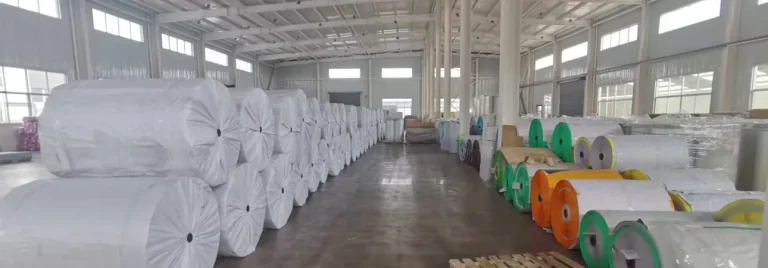
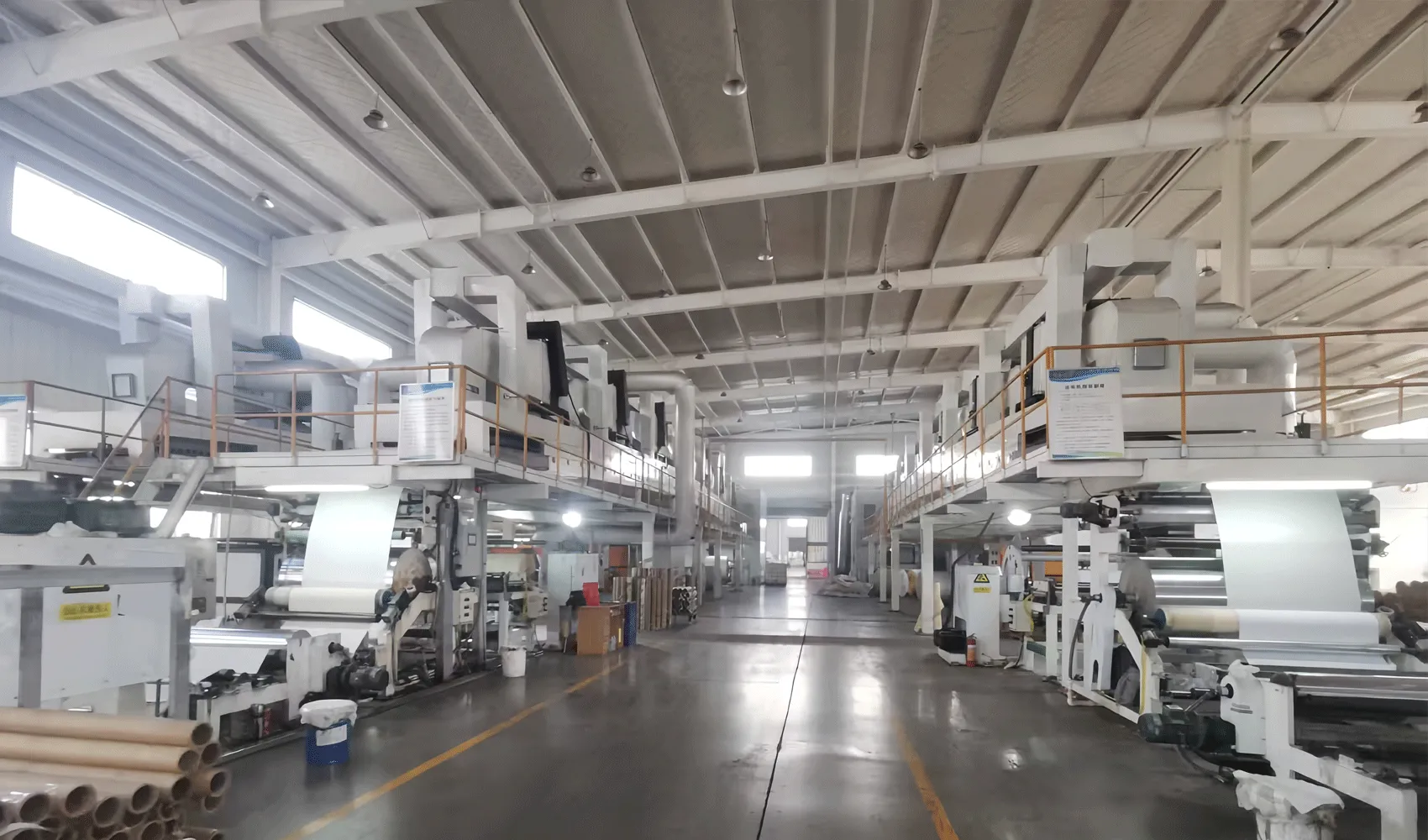
For reliable supply and customization—tailored widths, thicknesses, surface finishes and split-packaging—choose a supplier with full in-house production capabilities and export experience in Southeast Asia. Pulivk (https://pvcfilmtec.com/) offers calendering, printing and split-packaging lines, flexible OEM support, strict QC and stable lead times to serve Vietnam’s diverse HVAC market.
Next steps: Select the film type that matches your local exposure and inspection needs, request sample rolls for trial installations, and confirm packaging and lead times for your project timeline.