Address
304 North Cardinal St.
Dorchester Center, MA 02124
Work Hours
Monday to Friday: 7AM - 7PM
Weekend: 10AM - 5PM
Address
304 North Cardinal St.
Dorchester Center, MA 02124
Work Hours
Monday to Friday: 7AM - 7PM
Weekend: 10AM - 5PM


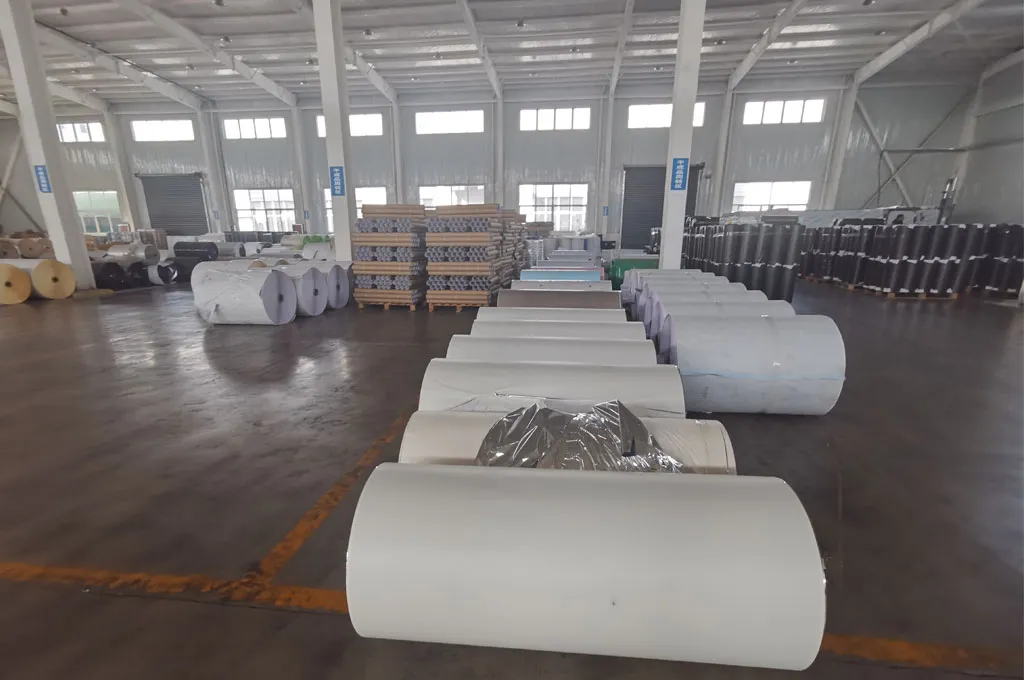
In Kyrgyzstan’s varied climate — from snowy mountain winters to dusty construction seasons in Bishkek and Osh — protecting HVAC air ducts during manufacturing, shipping and installation is essential. Choosing the right air duct protective film reduces contamination, prevents scratches and preserves thermal performance so systems work reliably for years.
Air duct film acts as a barrier against dust, construction debris and moisture that are common on Central Asian job sites. During rapid renovation cycles in apartments, hotels and public buildings, exposed ducts easily pick up dirt and damage. A temporary protective film keeps surfaces clean until HVAC commissioning, reducing rework and improving indoor air quality for occupants — especially important during cold months when ventilation runs continuously.
Prevents scratches and dents on sheet metal and prefinished duct liners, preserving appearance and function.
Blocks dust and fibers during on-site work, cutting down final cleaning time and filter loads.
Resists moisture and condensation during shipping and storage in humid or freeze-thaw conditions common in mountain regions.
Select films based on temperature tolerance, tack level, thickness and whether antistatic or flame-retardant properties are required. The table below summarizes common options and recommendations for HVAC projects in Kyrgyzstan.
| Film Type | Typical Thickness | Temperature Range | Best Use |
|---|---|---|---|
| PE Dust-Proof Film | 20–60 µm | -20°C to 60°C | Short-term protection on-site, storage |
| PVC High-Tack Protective Film | 50–150 µm | -10°C to 80°C | Prevent scratches during installation, shipped ducts |
| Antistatic PE/PVC Film | 30–100 µm | -10°C to 70°C | Electronic HVAC controls, sensitive assembly |
| High-Temp Release Film | 80–200 µm | -5°C to 120°C | Ducts exposed to heat during manufacturing or welding |
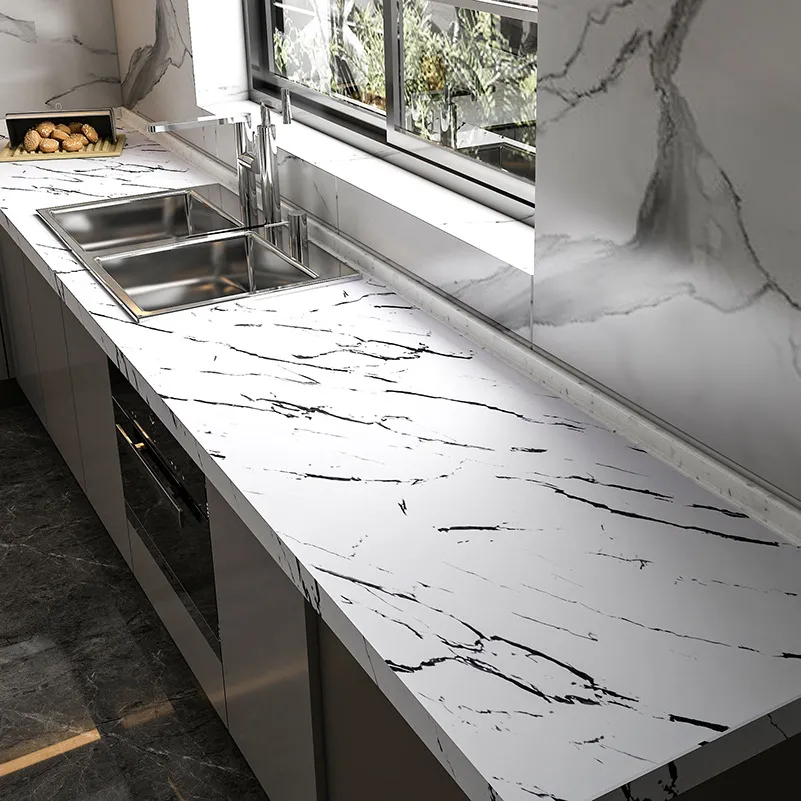
Apply film in a dust-free window and avoid stretched or bubbled areas that trap grit. In Kyrgyzstan’s cold workshops, store rolls indoors for 24 hours before use to improve flexibility. For long-term storage or shipping across mountain routes, choose a film with moisture barrier properties and securely cap duct ends.
Remove protective film before final system flush and filter replacement. Slow peeling at a low angle minimizes residue. Where residue risk exists, use a mild solvent test on an inconspicuous area first.
For projects that demand consistent quality and tailored specifications, Pulivk (Henan Pulivk New Materials Co., Ltd.) offers full in-house production, OEM customization and split-packaging options to fit site logistics in Kyrgyzstan. Their controls shorten lead times and help match quantities and roll lengths to local installation workflows.
Insist on films with clear QC documentation: adhesion tests, tensile strength, aging resistance and any flame-retardant certifications required by local building codes. This reduces the risk of supply issues during peak construction seasons.
When evaluating suppliers, prioritize:
Consistent material specs to avoid surprises on-site.
Flexible packaging so deliveries can be moved by local couriers or truck over mountain routes.
Sample availability for testing adhesion and residue on local duct finishes prior to bulk purchase.
If you manage HVAC installations in Kyrgyzstan and want protection solutions that match local conditions — cold winter storage, dusty renovation sites and long transport routes — choosing the right air duct film saves time and reduces lifecycle costs. Request samples and confirm custom roll lengths early to ensure on-time commissioning and cleaner indoor air for building occupants.