Address
304 North Cardinal St.
Dorchester Center, MA 02124
Work Hours
Monday to Friday: 7AM - 7PM
Weekend: 10AM - 5PM
Address
304 North Cardinal St.
Dorchester Center, MA 02124
Work Hours
Monday to Friday: 7AM - 7PM
Weekend: 10AM - 5PM


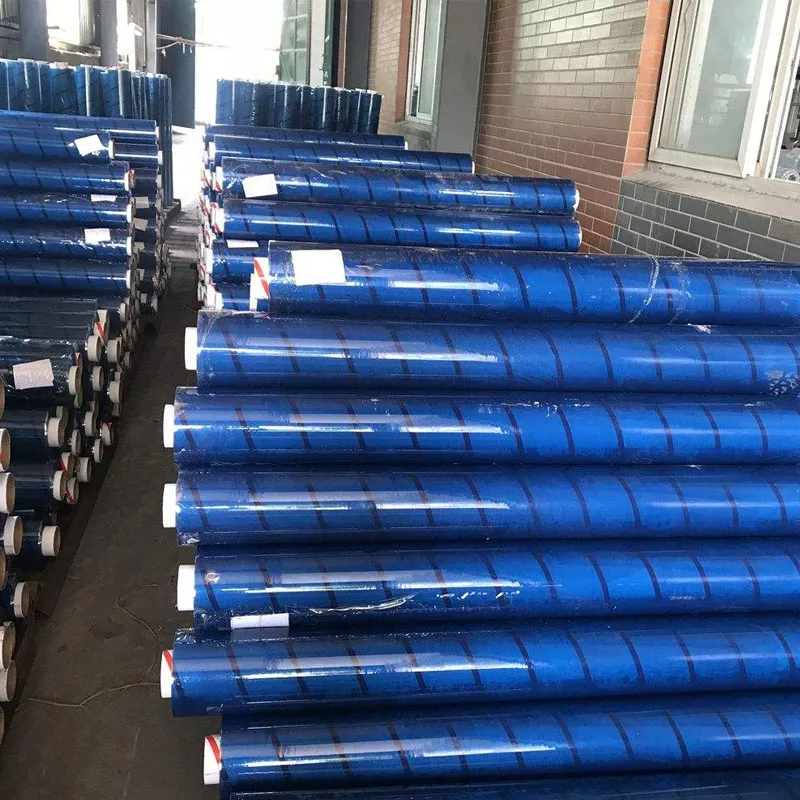
In Afghanistan’s varied climate — from the hot, dry plains of Kandahar to the cold highlands around Kabul — Heat Insulation PVC Film offers a practical, cost-effective way to improve indoor comfort and reduce energy costs. This lightweight, durable film can be applied to windows, walls, roofs, and mobile shelters to block solar heat in summer and retain warmth in winter, making it a versatile solution for both urban apartments and rural homes.
Afghanistan experiences large temperature swings between day and night and across seasons. Many traditional buildings are constructed with brick, stone, or mud, which can be slow to release stored heat. Insulation film helps by reflecting solar radiation and reducing conductive heat transfer through glazing and light building materials. For households facing frequent power outages or high fuel costs, passive thermal control significantly improves comfort without relying on mechanical heating or cooling.
– Improved indoor comfort during hot summers and cold winters.
– Reduced reliance on electric cooling and heating, lowering monthly energy bills.
– UV protection for interiors: furniture, fabrics, and artworks last longer.
– Lightweight and easy retrofit solution for rented apartments, traditional houses, and temporary shelters.
– Durability and low maintenance suited to dusty, high-UV environments common across Afghanistan.
Heat Insulation PVC Film is adaptable to local building practices: applied to single-pane windows in older homes, added to internal wall panels in guesthouses, wrapped over metal roofs in rural compounds to lower heat gain, or installed in caravans and container shelters used by NGOs and contractors in remote areas.
Choose films with proven thermal reflectance, UV stability, and scratch resistance. In Afghanistan, films with the following attributes provide the best value:
Reflective layer + multi-layer composite for higher solar rejection and improved winter insulation.
Consider anti-static or dust-repellent finishes for areas with high airborne dust, and select flame-retardant grades where building codes or safety concerns require them.
| Specification | Typical Value |
|---|---|
| Thickness | 50–300 µm (customizable) |
| Solar Reflectance | Up to 70% (reflective grades) |
| Operating Temperature Range | -20°C to 80°C |
| Roll Width | Custom widths available (standard 1.22m, 1.5m) |
| Lifespan (outdoor exposure) | 5–10 years depending on UV grade |
– Clean surfaces thoroughly to remove dust and loose debris before applying film.
– Use water + mild detergent spray during application for repositioning and smooth finish.
– Trim excess film with a sharp blade and seal edges with silicone for long-term adhesion.
– For roofs and outdoor exposures, choose thicker, UV-stabilized films and consider mechanical fastening where adhesive performance may be reduced by heat.
Properly selected and installed insulation film can lower peak indoor temperatures by several degrees in summer, translating into noticeable reductions in cooling energy use. In winter, reduced heat loss through glazing helps maintain comfort with less fuel for space heating. For many Afghan households and small businesses, these savings help offset upfront material and installation costs within a few seasons.
Routine cleaning with mild soapy water and a soft cloth keeps film appearance and performance high. Avoid abrasive cleaners and prolonged contact with solvents. Inspect seals and edges annually, especially after harsh weather, to ensure continued performance.
– Will PVC film stand up to Afghanistan’s strong sunlight?
High-quality, UV-stabilized films are manufactured to resist fading and degradation from intense sun exposure.
– Is the film suitable for traditional mud-brick walls?
Yes — applied over interior panels or windows, film brings thermal benefits without altering traditional exteriors.
– Can it be applied by small local workshops?
Many retrofit installations are straightforward and can be performed by trained local installers with minimal tools.
For reliable supply and customization options, contact Pulivk: https://pvcfilmtec.com/