Address
304 North Cardinal St.
Dorchester Center, MA 02124
Work Hours
Monday to Friday: 7AM - 7PM
Weekend: 10AM - 5PM
Address
304 North Cardinal St.
Dorchester Center, MA 02124
Work Hours
Monday to Friday: 7AM - 7PM
Weekend: 10AM - 5PM


 ByPulivk
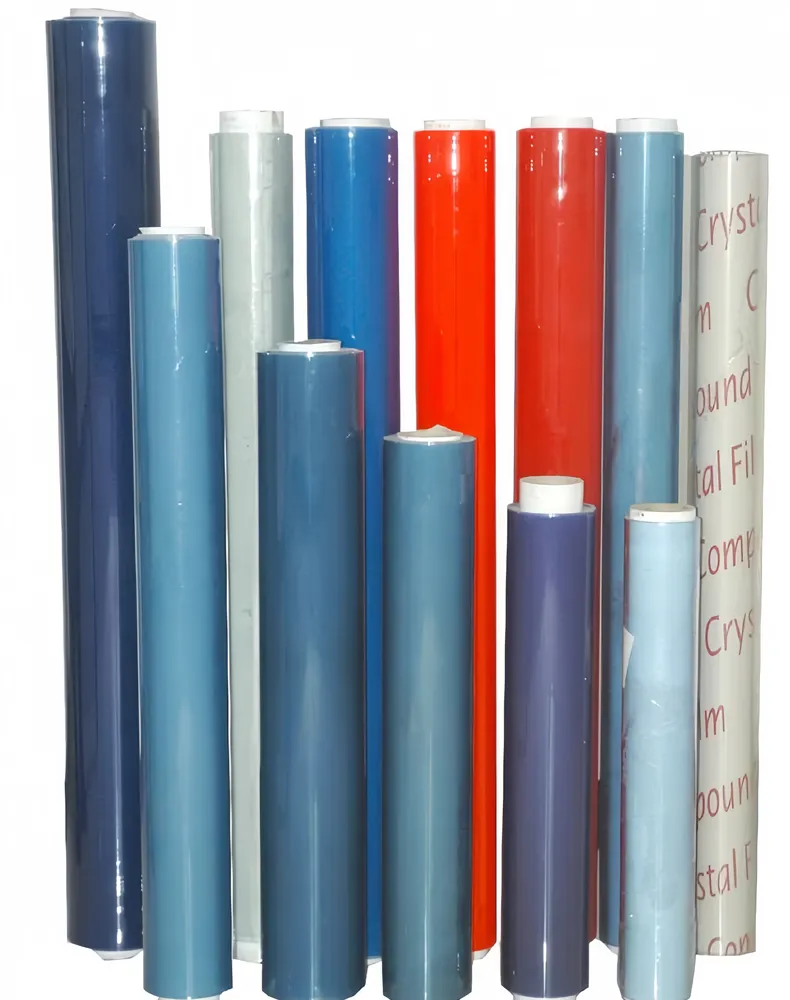
Heat insulation PVC film is an affordable, lightweight solution for cutting solar heat gain in Namibia’s hot and sunny climate — ideal for homeowners, lodges, commercial façades, shipping containers and caravan conversions. This guide explains the benefits, common uses, specification pointers and a practical buying checklist tailored to Namibian conditions.
Reduced indoor temperatures: Insulating PVC films lower surface temperatures by reflecting and blocking infrared radiation, helping rooms and vehicles stay cooler in Windhoek, Swakopmund and other high‑sun areas.
Energy savings: Less demand for air conditioning or evaporative cooling means lower energy bills and reduced strain on unreliable grid supply in some regions.
Durability & UV protection: Many films are formulated with UV stabilizers to resist fading and degradation under Namibia’s intense sunlight.
Fast retrofit: Lightweight film can be applied to existing windows, metal roofs, containers or laminated onto interior panels — a cost‑effective upgrade for rental properties and tourism accommodation.
Residential buildings: Apply to windows and balcony doors to lower cooling loads and improve comfort in brick and corrugated‑iron homes.
Commercial & retail: Shopfronts and office glazing benefit from glare reduction and a more stable indoor climate for staff and customers.
Tourism, lodges & caravans: Insulation film helps maintain guest comfort in remote lodges and mobile accommodation where mechanical cooling may be limited.
Containers & warehouses: Line interior walls of shipping containers and storage units to protect goods from heat and humidity spikes.
Greenhouses & shadehouses: Use reflective or diffusing variants to moderate temperatures while maintaining suitable light spectra for plants.
Vehicle and caravan wraps: Insulative films applied under roof linings reduce cabin heat buildup.
Most heat‑insulating PVC films combine reflective layers, low emissivity surfaces and physical thickness to lower heat transfer. Performance is measured by solar reflectance, thermal emissivity and visible light transmission (VLT) — the best choice balances heat rejection with the daylight you want to keep.
| Specification | Typical Range | Why It Matters |
|---|---|---|
| Thickness | 50–350 µm | Durability and insulating value — thicker films resist puncture and last longer outdoors. |
| Solar Reflectance | 30–85% | Higher = less solar heat transmitted indoors. |
| Visible Light Transmission (VLT) | 5–80% | Controls daylight vs. privacy and glare. |
| UV Rejection | Up to 99% | Protects interiors, fabrics and occupants from UV damage. |
| Fire Rating | B1 / Class C or equivalent | Important for public spaces and compliance with building safety codes. |
1. Local climate suitability: Choose films with high UV stabilization and corrosion resistance for coastal locations like Walvis Bay, and strong heat rejection for inland deserts.
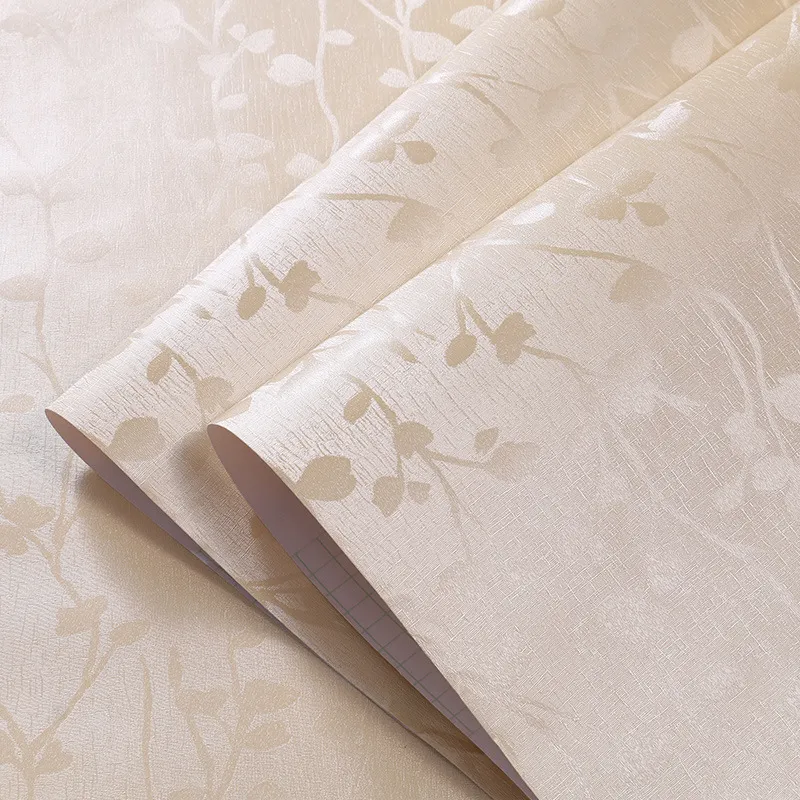
2. Material & surface finish: Matte or textured finishes reduce glare; reflective finishes maximize heat rejection but may increase mirror effect outdoors.
3. Certifications & standards: Seek tested values for solar reflectance, UV blocking and fire performance; ask suppliers for datasheets and certificates.
4. Adhesion & installation method: Self‑adhesive films simplify DIY installs; PVC films intended for lamination or mechanical fastening are better for roofs and container linings.
5. Lead times & packaging: Confirm stock levels, split‑packaging options and pallet shipping to Windhoek or Walvis Bay — smaller projects benefit from cut rolls to reduce waste.
For large orders consider routing via Walvis Bay port for faster customs clearance. Factor in dust‑proof inner wrapping and carton protection against humidity during the rainy season in northern regions.
Clean surfaces thoroughly, work at moderate temperatures (avoid installing in very hot midday sun), use a squeegee to remove bubbles and follow manufacturer’s recommended primers for metal or painted surfaces.
Regular cleaning with mild detergent preserves reflectivity; high‑quality films last 5–10 years depending on exposure and thickness. Inspect seams and edges annually, especially on corrugated roofs and mobile units.
Manufactured by Pulivk (pvcfilmtec.com): full in‑house calendering, printing and split‑packaging lines, flexible OEM options, strict QC and global export experience ensure consistent product quality and reliable delivery for projects across Namibia.