Address
304 North Cardinal St.
Dorchester Center, MA 02124
Work Hours
Monday to Friday: 7AM - 7PM
Weekend: 10AM - 5PM
Address
304 North Cardinal St.
Dorchester Center, MA 02124
Work Hours
Monday to Friday: 7AM - 7PM
Weekend: 10AM - 5PM


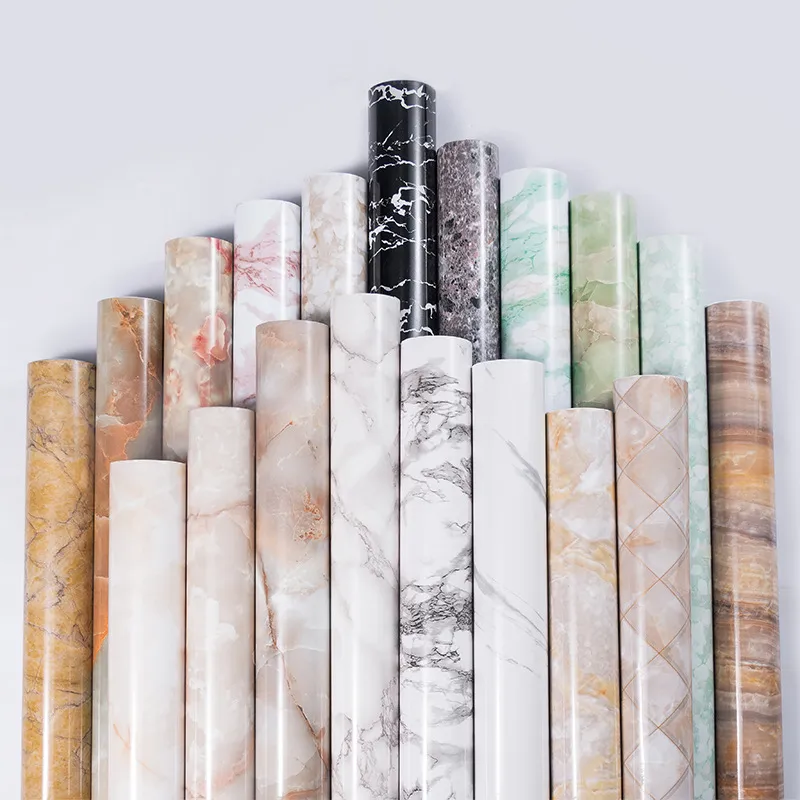
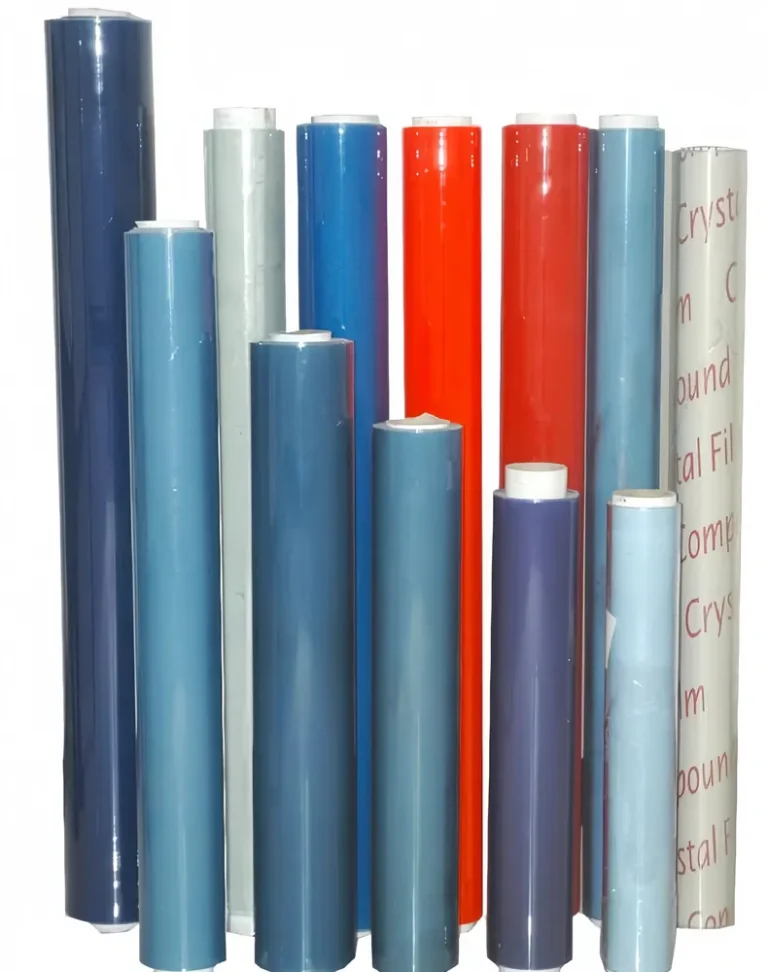
Heat insulation PVC film offers an affordable, lightweight and customizable way to improve energy performance across buildings, commercial vehicles and temporary shelters in Afghanistan. Designed for hot summers, cold winters in higher-altitude regions, and fast retrofit projects in urban and rural settings, these films help reduce heat transfer, lower energy costs and extend the life of interior finishes.
Afghan homes, offices, clinics and logistics facilities face a wide temperature range and limited access to continuous climate control. Heat insulation PVC films can be applied to windows, doors, partition panels and prefabricated surfaces to reduce solar gain in summer and heat loss in winter. They are especially useful for:
– Reducing indoor temperatures in Kabul and southern provinces during peak summer months.
– Improving thermal retention for northern highlands and cold-season camps.
– Protecting finishes in clinics, schools and warehouses where replacement costs are high and downtime must be minimized.
Thermal control: Specially formulated layers and reflective surfaces reduce heat transfer through glazing and thin walls, improving occupant comfort and lowering HVAC demand.
Lightweight & easy retrofit: Films install quickly with minimal disruption — ideal for NGO housing projects, office refurbishments, and vehicle fleets.
Durable surface options: From glossy to textured finishes, insulation films resist scratching, moisture and UV degradation.
Window overlays for residential and commercial glazing
Insulative panels for prefabricated clinics, schools and mobile units
Interior surface protection and thermal layering for storage warehouses and cold-chain enclosures
Decorative insulation for furniture and built-in fixtures in hotels and office spaces
| Product Type | Thickness (mm) | Thermal R-value | Surface Finish | Typical Uses |
|---|---|---|---|---|
| Reflective insulated film | 0.1 – 0.5 | 0.05 – 0.20 m²·K/W | Glossy / Metallic | Window overlays, sun control |
| Multi-layer composite film | 0.3 – 1.2 | 0.10 – 0.45 m²·K/W | Matte / Textured | Panels, partitions, furniture surfaces |
| Antistatic / protective film | 0.05 – 0.2 | 0.03 – 0.12 m²·K/W | Transparent / Frosted | Medical units, temporary shelters |
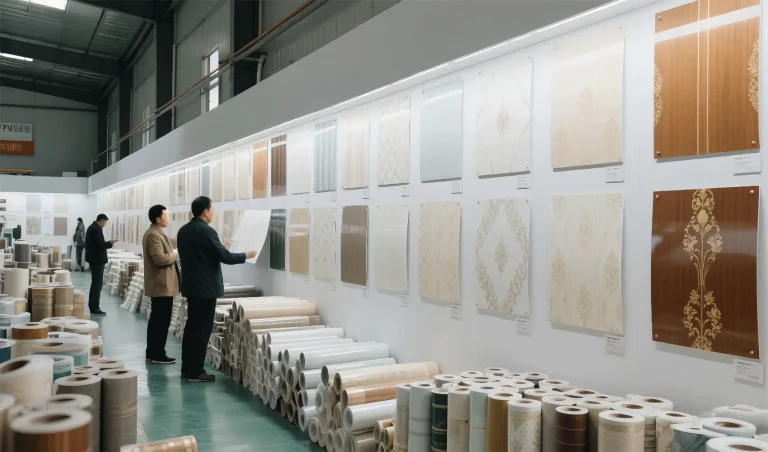
Manufacturers and development projects in Afghanistan often require custom widths, thicknesses and printed patterns to match cultural aesthetics and practical requirements. OEM options include printable decorative layers, split-packaging for remote project delivery, and custom roll lengths for efficient installation in narrow supply chains.
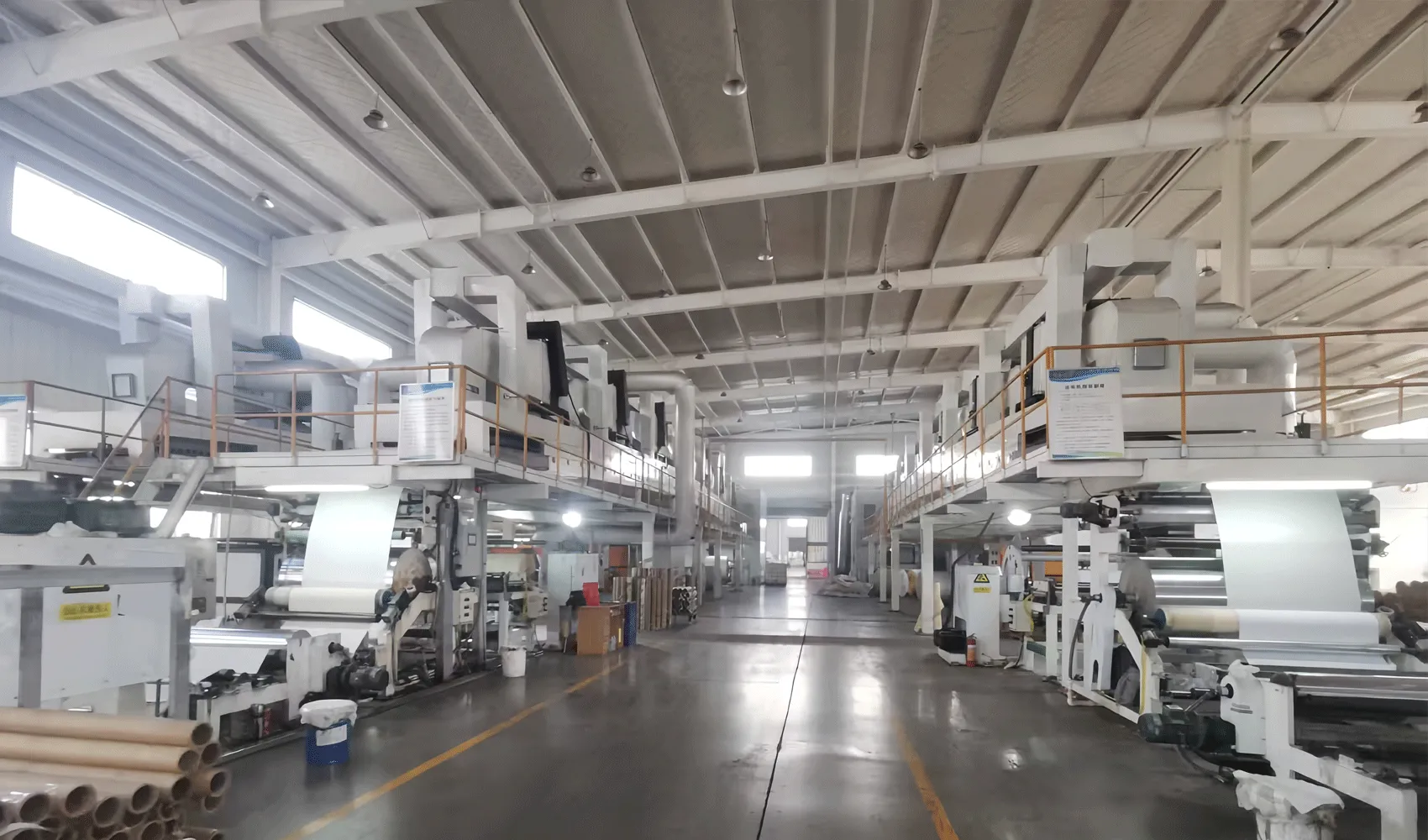
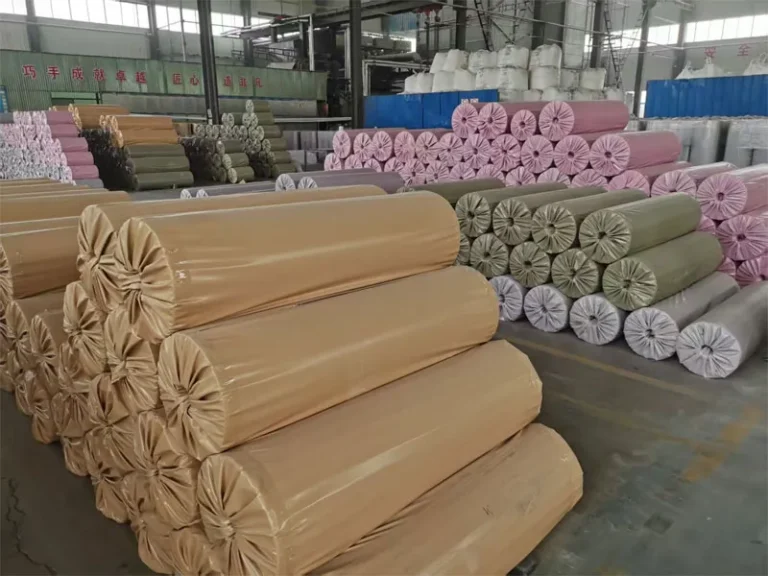
Reliable lead times and clear packaging reduce delays when shipping to Afghanistan. Look for partners that offer full in-house production, quality control checkpoints and flexible packing to minimize customs handling and site damage. For community projects, consolidated shipments and smaller roll lengths ease last-mile transport into remote provinces.
Choose PVC films formulated for low-VOC emission and long service life to reduce replacement frequency. Fire-retardant grades and antistatic options are recommended for healthcare, education and high-traffic public buildings.
How fast can insulation film be installed? Typical window overlay installations take a few hours per room; large-scale panel applications require planning but are much faster than full wall reconstruction.
Is custom printing available? Yes — patterns, logos and color-matched finishes can be added to align with local design preferences and branding for projects.
Pulivk: Henan Pulivk New Materials Co., Ltd. supports flexible OEM production, split-packaging and reliable export experience for projects across Southeast Asia, the Middle East and beyond. Contact the factory for samples, technical sheets and project quotations at https://pvcfilmtec.com/.
Deployment tip: For NGOs and contractors in Afghanistan, combine reflective film on sun-exposed glazing with thicker composite panels on north-facing or insulated walls to balance summer cooling and winter heating savings.