Address
304 North Cardinal St.
Dorchester Center, MA 02124
Work Hours
Monday to Friday: 7AM - 7PM
Weekend: 10AM - 5PM
Address
304 North Cardinal St.
Dorchester Center, MA 02124
Work Hours
Monday to Friday: 7AM - 7PM
Weekend: 10AM - 5PM


 ByPulivk
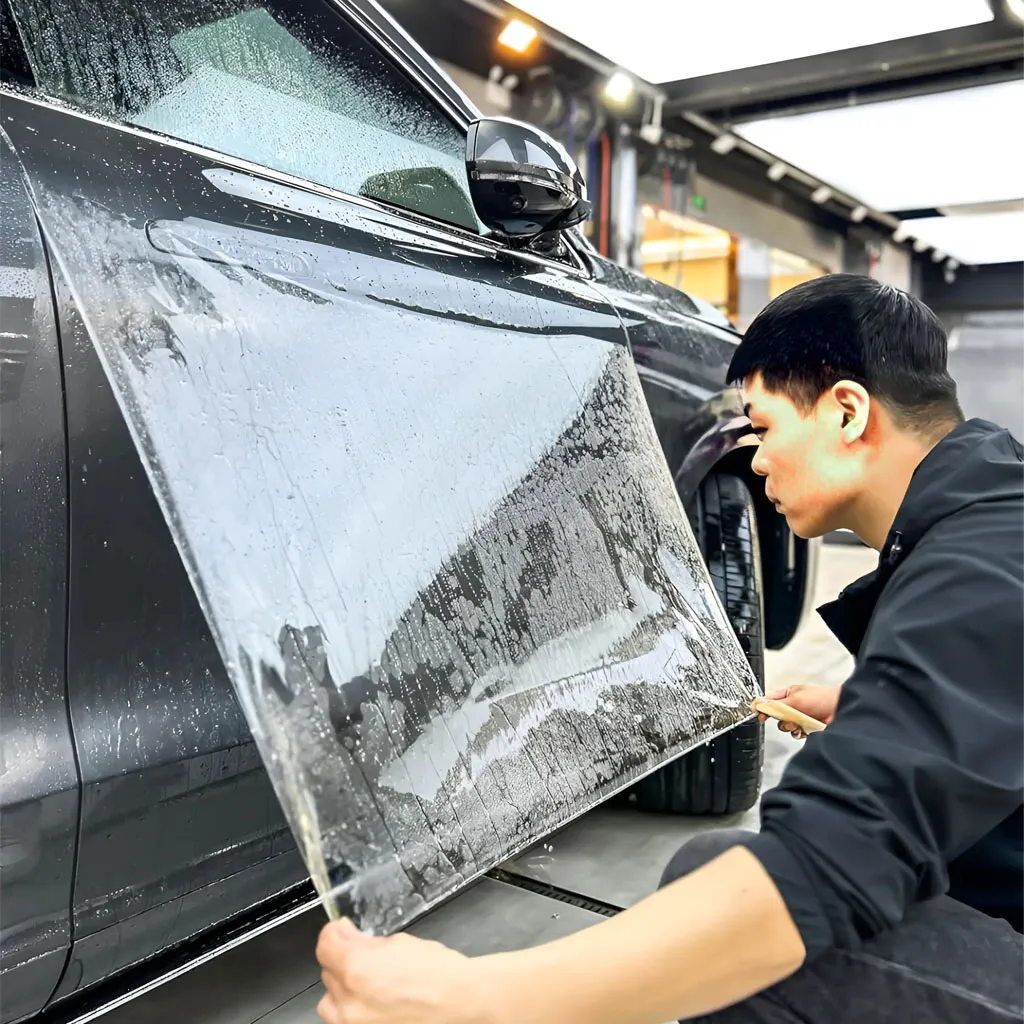
Heat insulation PVC film is a low-cost, versatile solution for improving thermal performance across buildings, vehicles, and industrial surfaces. Designed for durability and custom OEM applications, these films combine reflective layers, multi-layer composites, and surface treatments to reduce heat transfer and prolong the service life of substrates.
Heat insulation PVC film is a specially formulated polyvinyl chloride layer that can be calendered, laminated, or embossed to provide thermal resistance, UV stability, and surface protection. Typical constructions include clear or reflective top layers, insulating cores, and adhesive or self-adhesive backing options for easy application.
Thermal reflection: Reflective surfaces reduce radiant heat gain from sunlight.
Low thermal conductivity: Multi-layer structures limit conductive heat transfer.
Durability: UV-stabilized PVC resists fading, cracking, and weathering for long-term protection.
Heat insulation PVC film delivers a blend of functional and economic benefits for manufacturers and end-users:
• Improved indoor comfort and reduced cooling loads in hot climates.
• Protection for painted surfaces, furniture veneers, and flooring against thermal stress.
• Easy retrofit: films adhere to existing substrates without major renovation works.
• Cost-effective OEM integration for products such as car covers, appliance wraps, and packaging solutions.
Construction: Window films, facade wraps, and temporary protective covers.
Automotive: Car covers, interior lining films, and reflective sun shields.
Manufacturing & Packaging: Insulated packaging films and protective layers for temperature-sensitive goods.
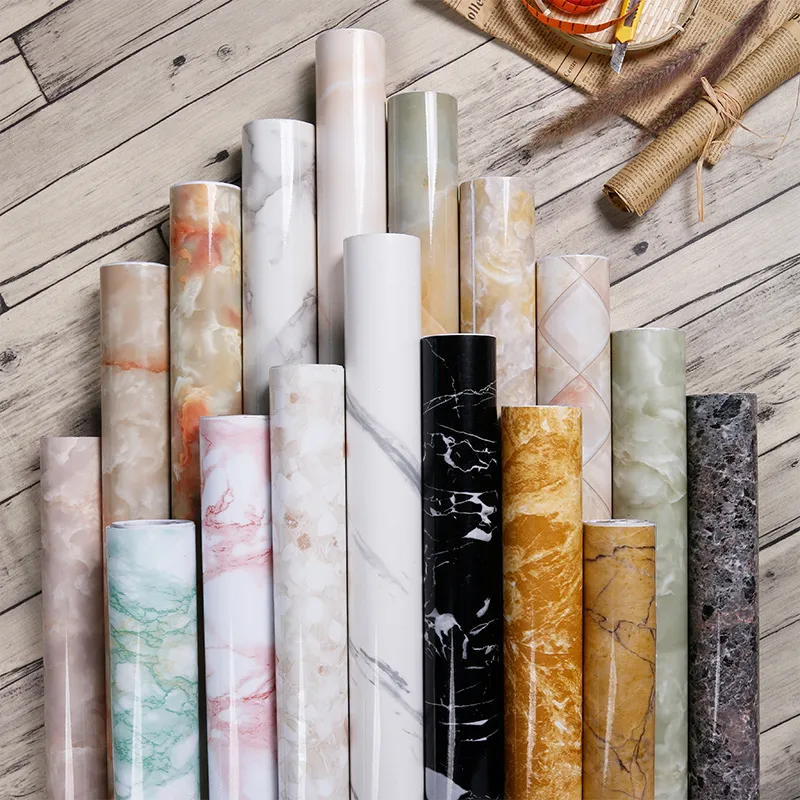
Pulivk supports tailored OEM projects with flexible sizes, colors, prints, and packaging—leveraging full in-house production capabilities for consistent quality and reliable lead times. Choose custom laminations, adhesive systems, and surface finishes to meet the thermal targets of your product line.
• Match film thickness and thermal resistance to application requirements.
• Integrate printed branding, anti-slip textures, or anti-scratch coatings.
• Optimize packaging (split rolls, fixed lengths) for efficient assembly and distribution.
| Film Type | Common Thickness (µm) | Thermal Benefit | Recommended Use |
|---|---|---|---|
| Reflective PVC Film | 50–150 | High radiant reflection | Roof covers, sun shields |
| Multi‑layer Insulating Film | 100–400 | Reduced conduction & improved R-value | Facade wraps, insulated packaging |
| Self‑adhesive PVC Film | 80–250 | Surface protection + moderate thermal control | Automotive interiors, appliance protection |
• Surface prep: clean, dry, and smooth substrates before application to ensure uniform adhesion.
• Temperature window: apply films within manufacturer-recommended temperature ranges for best bonding.
• Maintenance: clean with mild detergent and soft cloth to preserve reflectivity and finish; avoid abrasive cleaners.
Choose suppliers who document UV resistance, heat-aging tests, and adhesive performance. Regular QC checkpoints—from raw materials to final packaging—ensure consistent R-values and long-term film performance.
OEM orders typically require coordination for tooling, color matching, and packaging. Standard domestic orders can ship faster when manufacturers operate integrated production lines and split-packaging options. Ask suppliers about split-roll packing to reduce your warehouse handling costs.
Q: Can PVC insulating film be used outdoors long-term?
A: Yes—UV-stabilized and weather-resistant grades provide reliable outdoor performance when properly installed and maintained.
Q: How do I specify thermal performance?
A: Request measured reflectance, thermal emissivity, and age-accelerated test reports; OEM partners can help design a spec that meets your R-value targets.
If you’re sourcing heat insulation PVC film for a new product or looking to private-label a thermal protection solution, prepare a short specification sheet with desired thickness, finish, adhesive type, and estimated annual volume to speed up quotations and sample production.