Address
304 North Cardinal St.
Dorchester Center, MA 02124
Work Hours
Monday to Friday: 7AM - 7PM
Weekend: 10AM - 5PM
Address
304 North Cardinal St.
Dorchester Center, MA 02124
Work Hours
Monday to Friday: 7AM - 7PM
Weekend: 10AM - 5PM


 ByPulivk
Heat insulation PVC film is a flexible, lightweight sheet designed to reflect radiant heat and improve thermal performance in buildings. In Lesotho—where highland nights can be chilly and many homes rely on simple roofing and wall systems—this type of film offers a cost-effective retrofit for keeping interior spaces warmer in winter and cooler in summer.
The production of heat insulation PVC film combines polymer technology with precision processing. Typical manufacturing stages include raw material blending, extrusion or calendering, surface treatment, lamination of reflective layers, and finishing. Each step is tuned to create films with stable thermal reflectivity, durability, and easy installability—qualities that matter to homeowners and small contractors across Lesotho.
Key ingredients are PVC resin, plasticizers, thermal stabilizers, UV inhibitors, and optional fillers or flame-retardant additives. For reflective insulation, manufacturers incorporate metalized PET or aluminum foil as a laminated layer. Choosing high-quality additives improves cold-weather flexibility—important for Lesotho’s low temperatures—while UV stabilizers protect films exposed to strong highland sun.
Compounding blends all raw components into a homogeneous masterbatch. For calendered insulation film, the compound is then fed into a calendering line that compresses and forms thin sheets with precise thickness control. Calendered films offer excellent surface finish and consistent thermal properties, which helps installers in Lesotho achieve reliable performance when applied to corrugated metal roofs, timber walls, or simple partitioning.
The heat-insulating effect usually comes from a multi-layer structure: a PVC substrate, a reflective metalized layer (aluminum/PET), and sometimes a bonded foam or air-gap layer to increase R-value. Lamination is performed under controlled heat and pressure to ensure strong adhesion without trapping moisture. For local Lesotho applications, manufacturers may produce rolls sized for easy handling by small teams or individuals.
Embossing adds texture for aesthetics or slip resistance; printing can provide color or patterns that blend with interior décor. Surface coatings—anti-scratch, anti-static or fire-resistant—are applied depending on end-use. These finishes extend service life and reduce maintenance in dusty or windy regions of Lesotho.
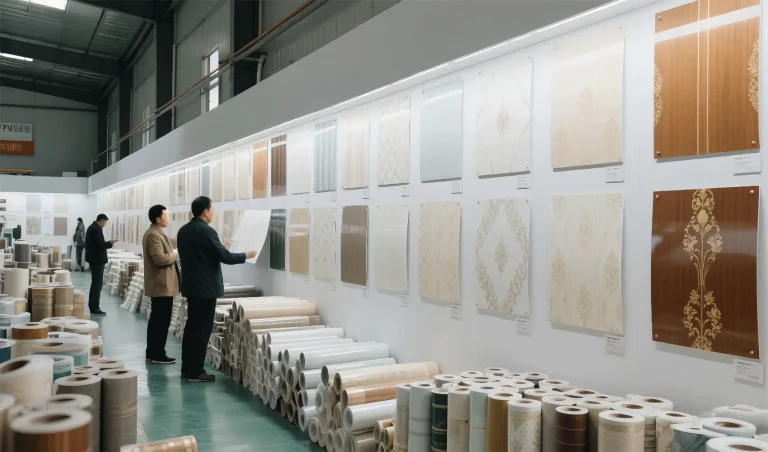
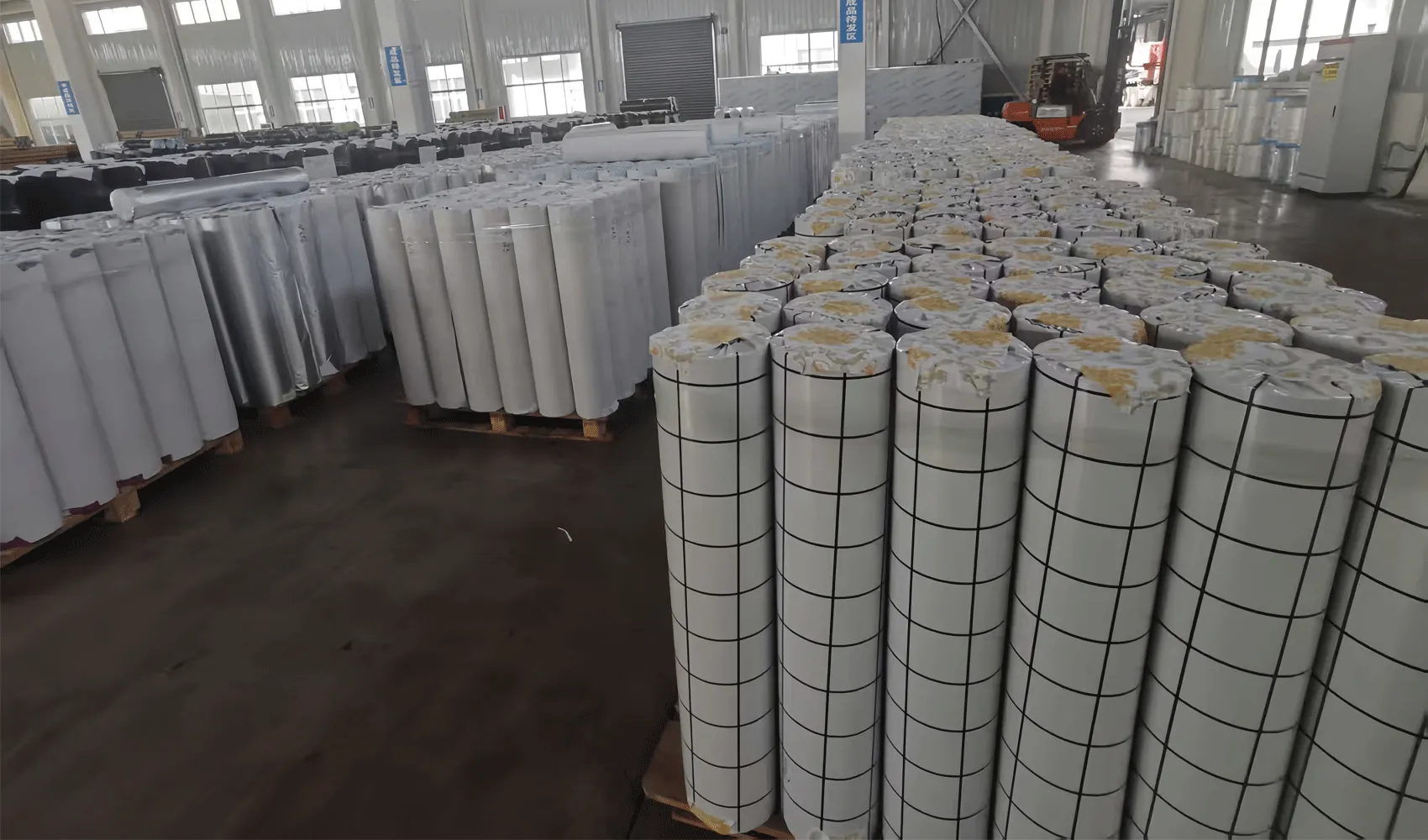
Finished film is slit to customer-specified widths and wound into rolls. Proper split-packaging and labeling ensure safe transport to towns like Maseru or remote districts. Rigorous QC includes thickness, peel strength, reflectivity tests and accelerated aging to simulate UV and cold cycles typical of Lesotho’s climate.
| Property | Typical Value |
|---|---|
| Thickness | 80–250 µm (custom options) |
| Reflectivity | >85% (metalized face) |
| Roll Width | 0.5m – 1.6m (customizable) |
| Operating Temp Range | -20°C to 80°C |
| Fire Rating | Classified per spec (optional FR additives) |
Manufacturers run tests for dimensional accuracy, adhesion of the reflective layer, UV aging and flame performance. For Lesotho markets, ensuring durability against seasonal temperature swings and UV exposure is essential. Many producers also offer certificates for export-quality shipments to Southern African distribution networks.
Because many houses in Lesotho use metal roofs and thin walls, a reflective PVC film can significantly reduce heat loss at night and minimize daytime heat gain. The film’s light weight and roll format make it suitable for DIY installation or rapid retrofits by local builders. Energy savings, improved comfort and low installation costs make it attractive for families, guesthouses, and small businesses across both urban and rural settings.
Install films on the warm side of the roof or inner wall, ensure seams are sealed against wind-driven rain, and pair reflective film with an insulating foam layer where higher R-values are needed. In high-wind zones, mechanically fasten edges and overlaps to avoid wind uplift.
For manufacturers with full in-house lines—calendering, printing and split-packaging—there is flexibility to supply tailored rolls, colors and prints suited to Lesotho’s market. Pulivk (https://pvcfilmtec.com/) is an example of a supplier with this integrated production capability and export experience.