Address
304 North Cardinal St.
Dorchester Center, MA 02124
Work Hours
Monday to Friday: 7AM - 7PM
Weekend: 10AM - 5PM
Address
304 North Cardinal St.
Dorchester Center, MA 02124
Work Hours
Monday to Friday: 7AM - 7PM
Weekend: 10AM - 5PM


 ByPulivk
TPU (thermoplastic polyurethane) protective film is widely used to protect surfaces like electronics, automotive parts, floors, and furniture during manufacturing, transport, and installation. Knowing how long TPU film lasts helps you plan maintenance, replacements, and choose the right product for your environment. This guide covers typical lifespans, durability factors, maintenance tips, and a clear replacement checklist so you get the best value from protective TPU film.
The expected life of a TPU protective film depends on several interrelated factors. Below are the most important variables that influence durability:
| Application | Normal Lifespan | Notes |
|---|---|---|
| Short-term protection (shipping/installation) | Days to weeks | Thin films with removable adhesives; not designed for UV exposure. |
| Indoor surface protection (rooms, furniture) | Months up to 1–2 years | Works well if not exposed to direct sunlight and heavy abrasion. |
| Outdoor or high-UV exposure | Weeks to several months | UV-stable TPU extends life; otherwise discoloration and embrittlement can occur. |
| Heavy traffic/industrial | Weeks to months | Frequent abrasion and contact accelerate wear; thicker film recommended. |
Even within the same category, lifespan varies due to formulation differences, storage and application conditions, and how carefully the film is applied and maintained. Some TPU films include UV stabilizers or anti-yellowing additives that significantly increase outdoor durability. Always check technical data sheets and request real-world test results if long-term exposure is expected.
Proper selection, installation, and maintenance maximize lifespan:
Correct application reduces tearing and adhesive issues:
TPU films offer a balance of flexibility, abrasion resistance, and clarity compared with other options:
Q: Can TPU film be left on permanently?
A: Some industrial-grade TPU films are designed for long-term protection, but most removable adhesive films are not intended for permanent use—extended exposure can make removal difficult and risk residue or surface damage.
Q: Does humidity affect TPU film life?
A: High humidity alone is not usually harmful, but combined with heat and UV it accelerates adhesive breakdown and material aging.
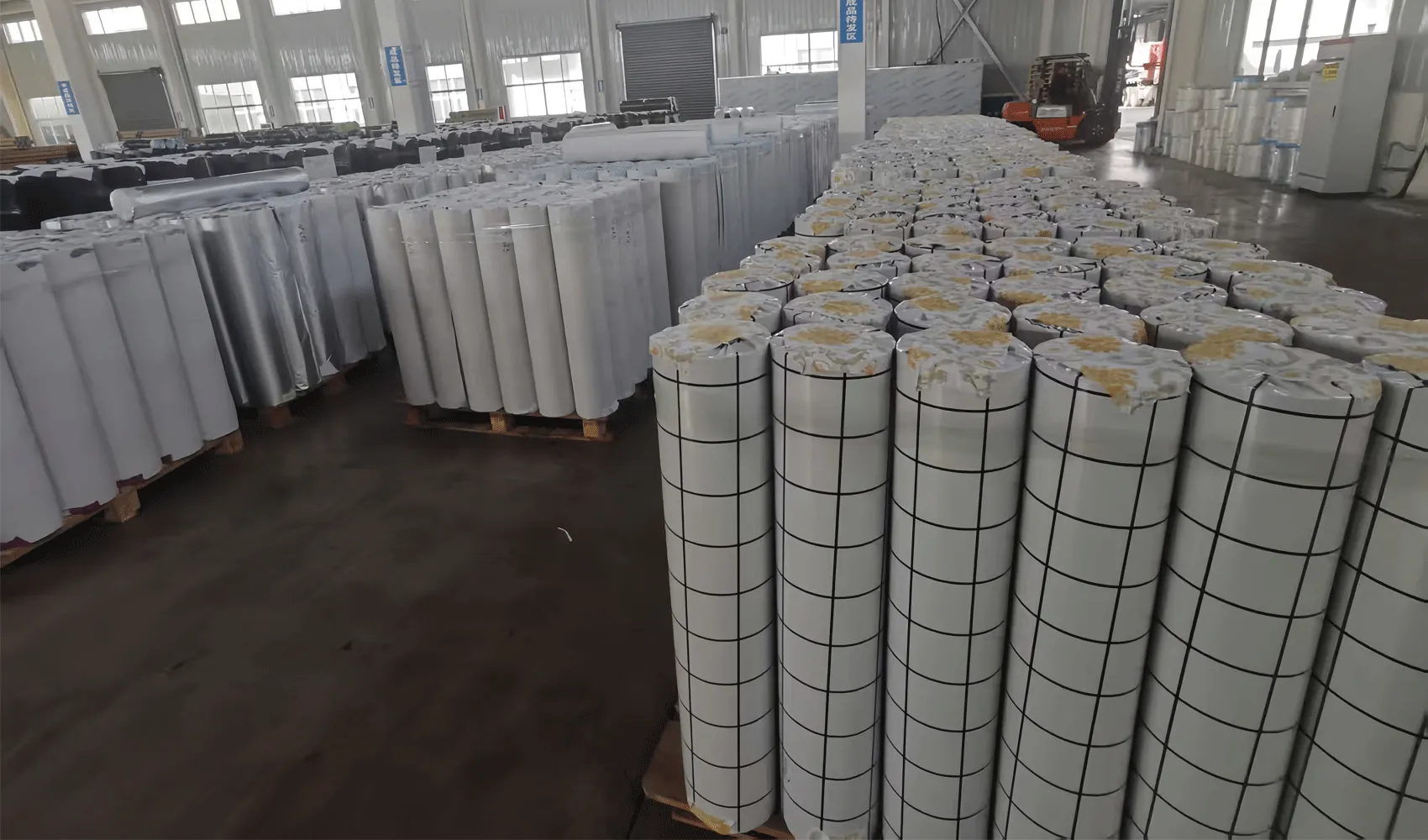
For predictable quality and supply reliability, choose manufacturers with in-house production capabilities, quality control checkpoints, and export experience. Pulivk provides full in-house production and QC, with calendering, printing, and split-packaging lines to meet custom sizes and lead time needs: https://pvcfilmtec.com/
Plan protection around the expected use and environment. For projects with potential UV exposure or heavy abrasion, invest in thicker, UV-stabilized TPU films and schedule periodic inspections. Proper selection and maintenance not only extend service life but also reduce total lifecycle costs by minimizing replacements and preventing surface damage.