Address
304 North Cardinal St.
Dorchester Center, MA 02124
Work Hours
Monday to Friday: 7AM - 7PM
Weekend: 10AM - 5PM
Address
304 North Cardinal St.
Dorchester Center, MA 02124
Work Hours
Monday to Friday: 7AM - 7PM
Weekend: 10AM - 5PM


 ByPulivk
Choosing the right heat insulation PVC film OEM in Peru means balancing thermal performance, local climate needs, manufacturing reliability, and cost. This guide walks Peruvian importers, contractors, and distributors through practical steps to find a dependable OEM partner for insulating films, tapes, and decorative protective membranes.
Peru has coast, highlands, and rainforest zones—each with different insulation priorities. Coastal cities like Lima need films that reduce solar heat gain and resist humidity; Andean regions require thermal retention for cooler temperatures; Amazon areas prioritize mold and moisture resistance. Choose a film with UV stability, good moisture barrier properties, and compatible adhesive options for local installation methods.
Key technical attributes to request from any OEM:
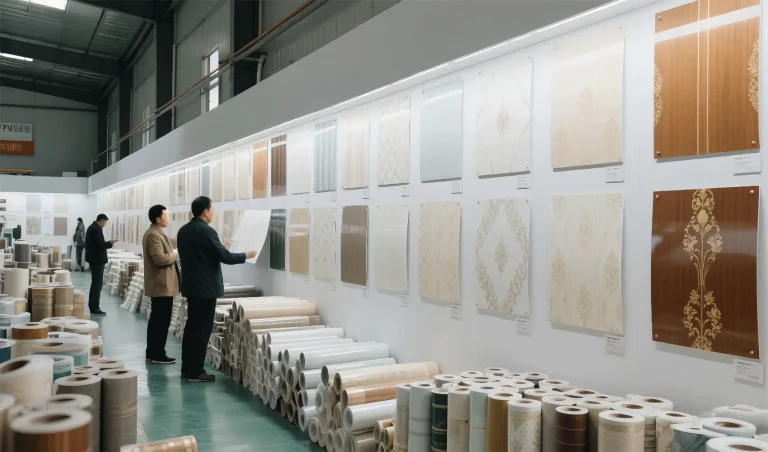
Look for suppliers with end-to-end production control. Critical capabilities include calendaring lines, high-quality printing, split-packaging, and in-house QC labs. A vertically integrated factory reduces lead-time risk and improves consistency—especially important for repeat orders and private-label projects.
Supplier example: Henan Pulivk New Materials Co., Ltd. — full in-house production (calendering, printing, split-packaging) with flexible OEM customization and export experience.
Ask for documented test reports and quality systems. Typical checks include raw-material verification, thickness and tensile testing, adhesion tests, and accelerated weathering (UV) tests. International standards or certifications (ISO, REACH declarations, material safety) and independent lab reports are strong indicators of a reliable manufacturer.
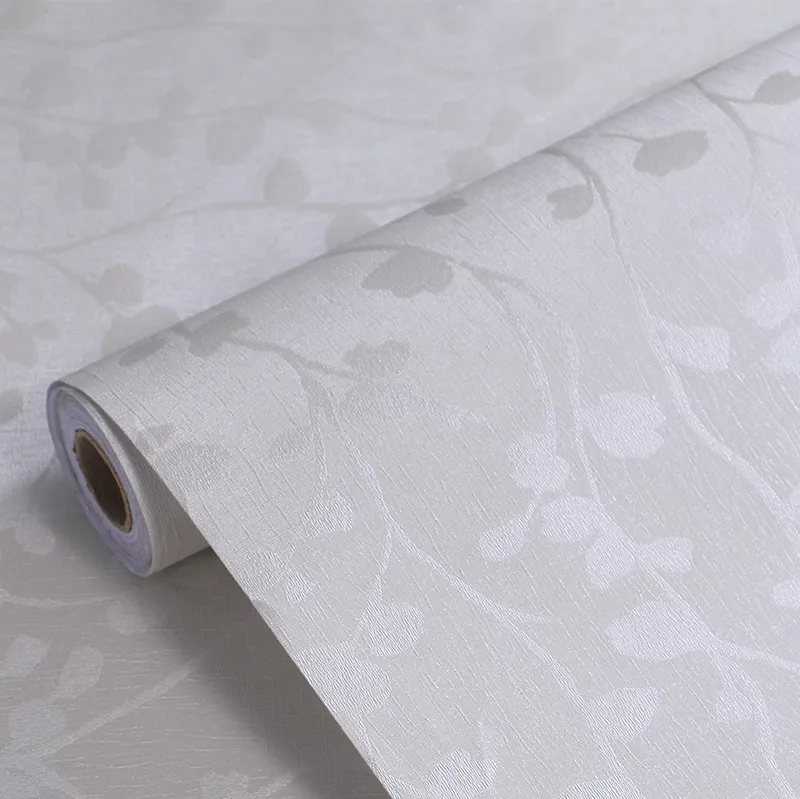
Peruvian buyers should confirm FOB/CIF options, typical production lead times, and minimum order quantities. Split-packaging services (cut-to-length rolls, individual dust-proof wrapping) help local distributors and installers manage inventory and reduce waste. Verify export experience to South America and familiarity with Peruvian customs documentation to prevent delays.
Low unit price is tempting, but prioritize consistent quality, low rejection rates, and predictable lead times. A slightly higher unit cost can be cheaper overall if it reduces on-site failures, returns, and rework.
| Capability | Why it matters | What to request |
|---|---|---|
| Calendering & coating | Controls film uniformity and thermal properties | Process sheets, production photos, sample coil |
| Printing & customization | Branding and pattern accuracy for decorative uses | Color proof, pattern match samples |
| Split-packaging | Reduces logistics cost and suits local retail demands | Packing spec, MOQ for roll lengths |
| Quality control | Ensures batch-to-batch consistency | QC checklist, third-party test reports |
Practical validation steps:
Be clear about seasonal demand peaks (construction season, retail cycles). Negotiate flexible MOQ or staged deliveries to avoid large stockpiles. Confirm currency, payment terms, and contingency plans for shipping delays.
Compile a short RFP with required specs, sample schedule, and expected annual volumes. Evaluate at least three OEM quotes, prioritize evidence of QC and export experience, and conduct a final sample approval before placing a large order.
For more product details and sample requests, visit https://pvcfilmtec.com/