Address
304 North Cardinal St.
Dorchester Center, MA 02124
Work Hours
Monday to Friday: 7AM - 7PM
Weekend: 10AM - 5PM
Address
304 North Cardinal St.
Dorchester Center, MA 02124
Work Hours
Monday to Friday: 7AM - 7PM
Weekend: 10AM - 5PM


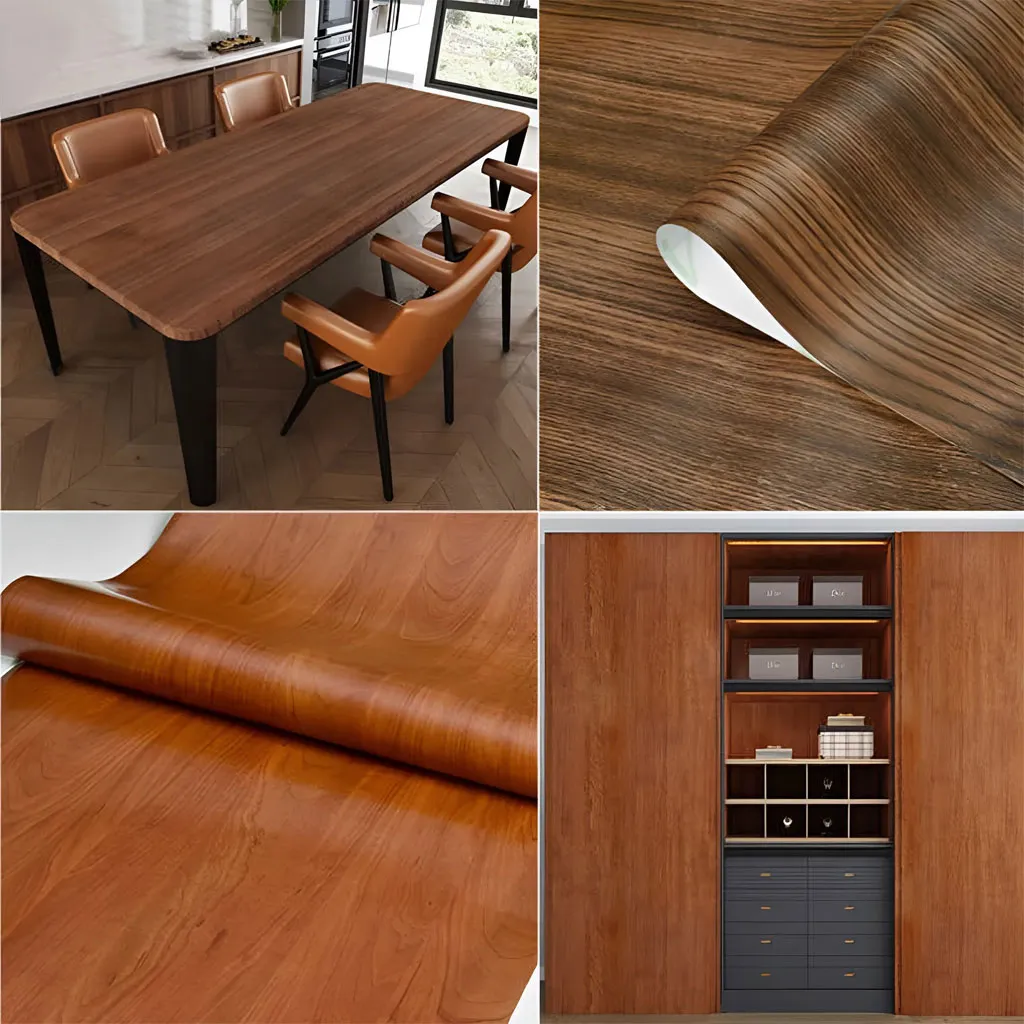
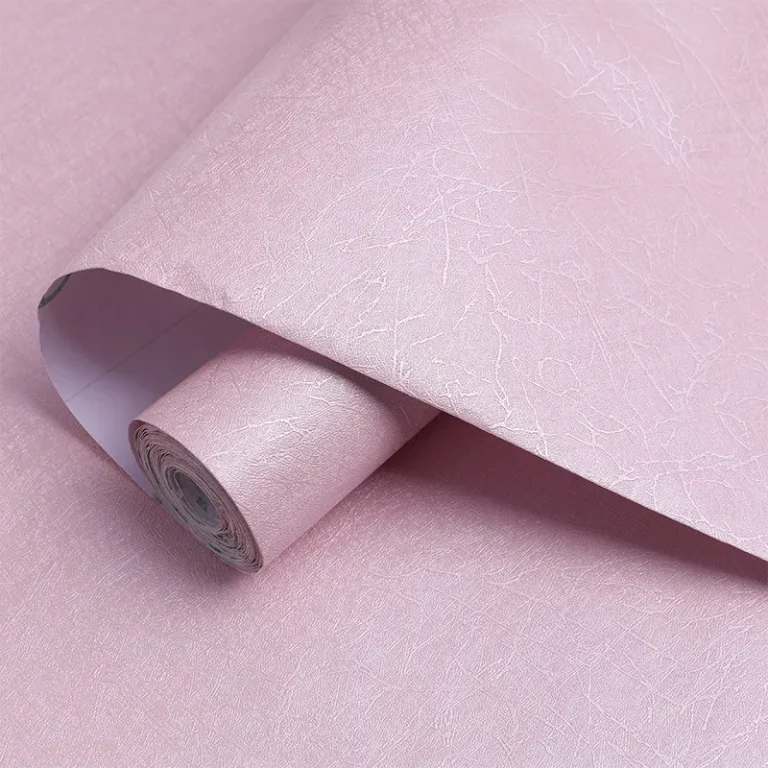
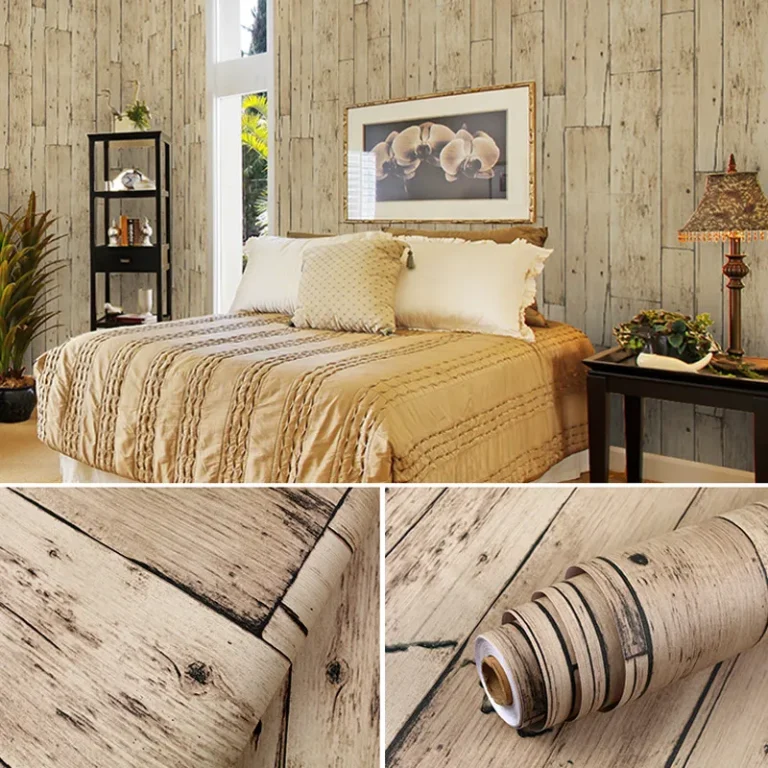
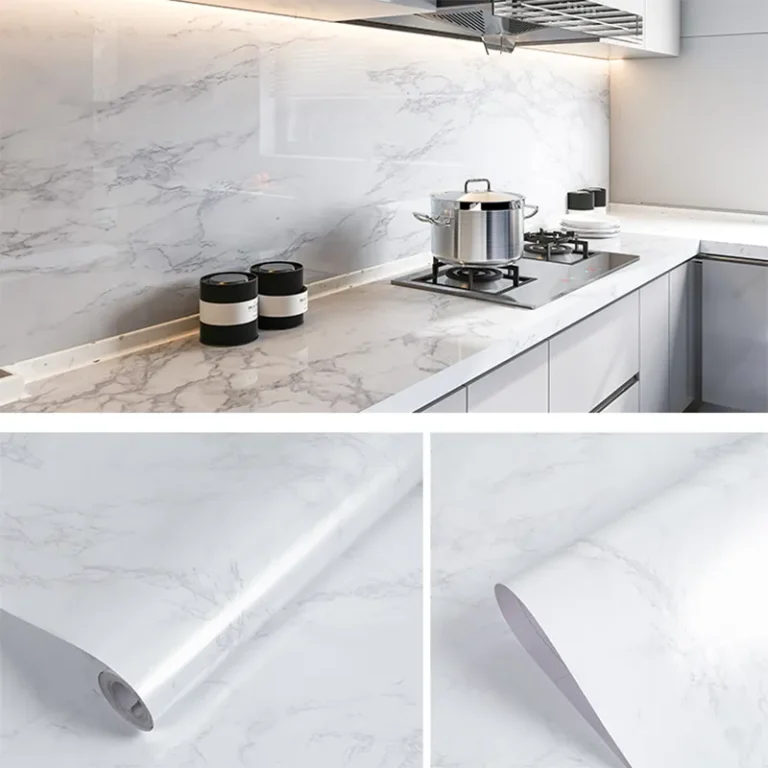
Choosing the best colored PVC film manufacturing factory in Zambia means balancing quality, cost, and local market needs — whether you’re an interior contractor in Lusaka, a furniture maker in Ndola, or a reseller serving residential and commercial fit-outs across the Copperbelt. This guide walks Zambian buyers through practical checks and negotiation points to find a reliable partner for colored PVC film supply.
Start by clarifying how the colored PVC film will be used in Zambia: decorative furniture wraps, kitchen anti-oil films, floor protection, or outdoor signage. Different uses require different film types (calendered, embossed, matte, glossy, anti-scratch, or self-adhesive). Specifying the end-use helps you assess durability, UV resistance, and finish.
– Required film type and finish (e.g., wood grain, marble, solid color)
– Roll width, thickness (microns), and length per roll
– Color matching tolerance and print requirements for logos/graphics
– Expected quantities and frequency of orders
When evaluating factories, focus on in-house capabilities and whether they control core processes. A factory with calendering lines, printing, and split-packaging in-house will deliver more consistent quality and shorter lead times — ideal for Zambian buyers who value predictable deliveries.
– In-house calendering and extrusion lines for consistent film thickness
– Printing lines and color-matching systems for accurate design reproduction
– Split-packaging or custom roll cutting for local distribution needs
– Quality-control checkpoints throughout production
Demand evidence of QC processes and test reports. For Zambian climates, UV stability and heat tolerance are important for decorative films used in sun-exposed interiors and commercial signage. Ask for tensile strength, adhesion tests (for self-adhesive types), and colorfastness reports.
| Criteria | Why it matters | Questions to ask |
|---|---|---|
| Production Control | Consistency across batches | Do you run calendering and printing in-house? |
| Quality Testing | Assures durability in Zambian conditions | Can you provide lab reports for UV/heat resistance? |
| Customization | Supports local market preferences | What OEM options are available (colors, prints, packaging)? |
| Lead Times | Critical for project scheduling | Typical production and shipping timelines to Zambia? |
Zambian distributors often need localized solutions — from custom widths to branded packaging for retail. Confirm that the factory offers flexible OEM services, sample production for color approval, and small-batch trials so you can test locally before committing to large runs.
Request physical samples and, if possible, trial rolls with your specified colors and finishes. Test them in typical Zambian environments (kitchen, living room near windows, shopfront) to check adhesion, scratch resistance, and color stability.
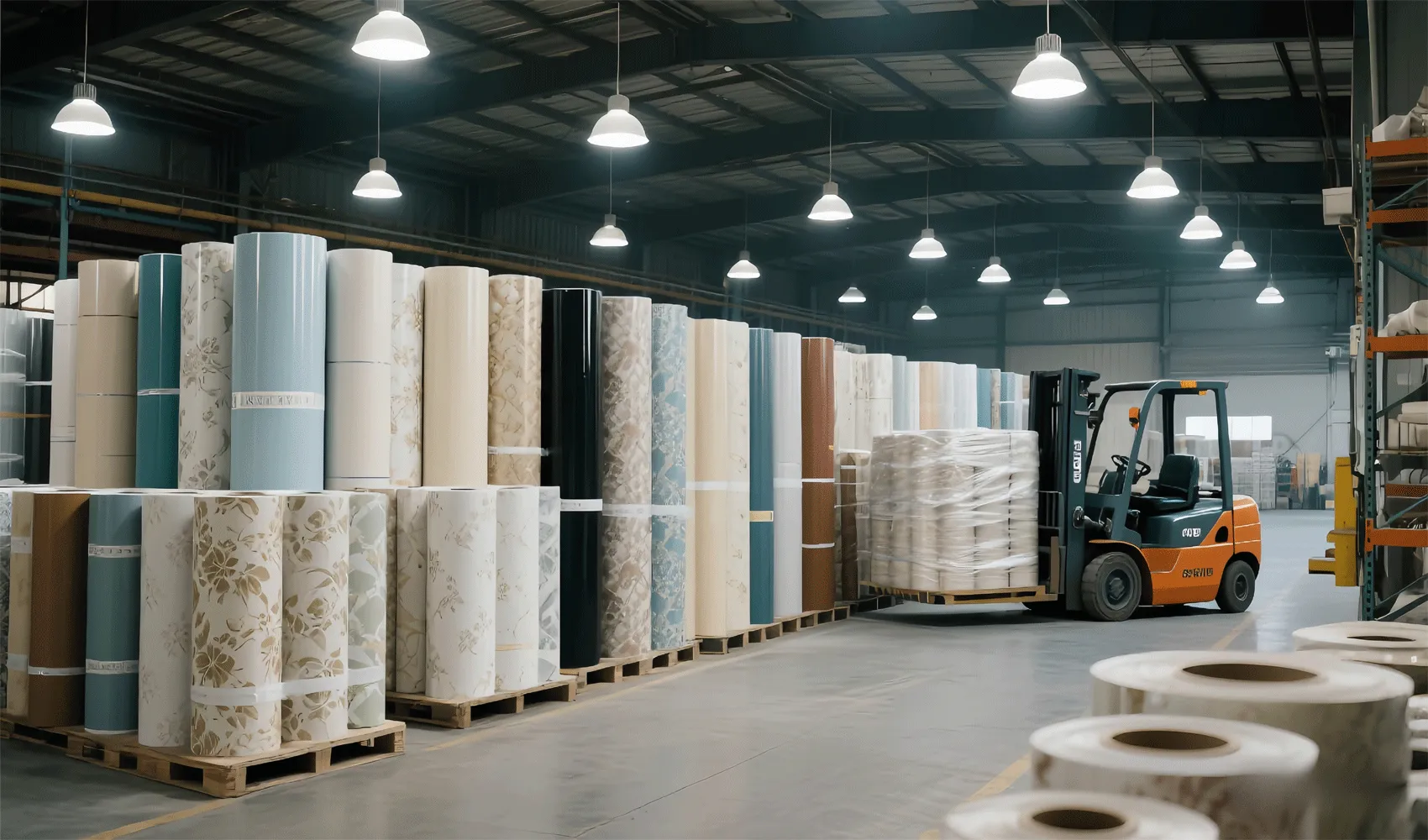
Cost and minimum order quantities (MOQs) will determine whether a supplier is a fit for small Zambian businesses or larger contractors. Negotiate for staggered shipments or split-packaging so you can manage cash flow and storage. Stable lead times and clear shipping terms reduce the risk of delays at customs and inland transport.
Choose a factory experienced in global export who can handle documentation, palletizing, and safe packing for long transit to Zambia. Efficient labeling and clear packing lists simplify clearance with Zambian authorities and local freight forwarders.
Ask for client references, especially buyers in Africa or nearby regions. Where possible, arrange a factory visit or a virtual tour. Ensure the supplier provides clear warranty and returns policies — vital when selling to Zambian retailers and installers.
– Bundle specs: lock in price breaks for larger volumes or repeat orders
– Request free or paid sample approvals before production
– Ask for split-packaging options to reduce local storage needs
– Clarify INCOTERMS, insurance, and expected transit days to key Zambian ports
– Confirm in-house production capabilities and QC checkpoints
– Get sample approvals and lab test reports
– Agree MOQ, price, lead time, and packaging details in writing
– Verify export experience and shipping arrangements to Zambia
For OEM flexibility, full in-house production control, and export experience that supports African markets, consider contacting Pulivk for samples and a production quote.