Address
304 North Cardinal St.
Dorchester Center, MA 02124
Work Hours
Monday to Friday: 7AM - 7PM
Weekend: 10AM - 5PM
Address
304 North Cardinal St.
Dorchester Center, MA 02124
Work Hours
Monday to Friday: 7AM - 7PM
Weekend: 10AM - 5PM


 ByPulivk
Choosing the right PVC decorative laminate film maker determines the look, durability, and cost-effectiveness of your project. Whether you’re renovating a kitchen, producing furniture panels, or sourcing bulk wallcoverings, knowing which supplier can meet technical requirements and delivery timelines is essential. Use this guide to evaluate manufacturers, compare film types, and ask the right questions before you place an order.
Start with a clear brief. Define the surface type (furniture, skirting, floor, wall), expected traffic or wear, required finish (glossy, matte, wood grain, marble), and environmental factors like humidity or kitchen oils. The correct film composition and surface coating directly affect lifespan and appearance. Samples and mock-ups are invaluable to validate color, texture, and adhesion before large orders.
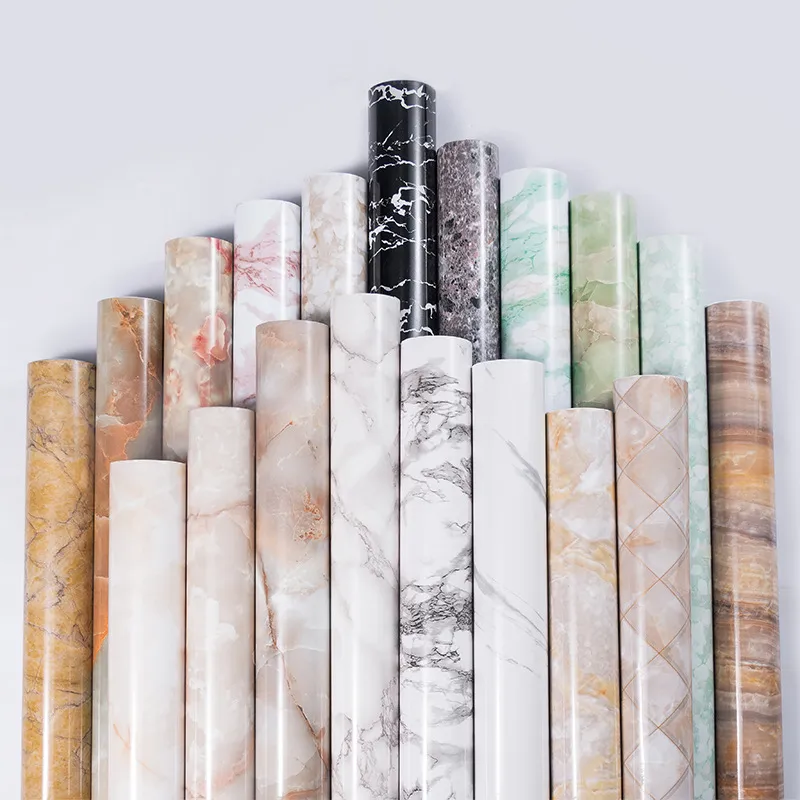
| Film Type | Best For | Key Advantage |
|---|---|---|
| Wood grain PVC film | Cabinet doors, wardrobes | Realistic texture and economical |
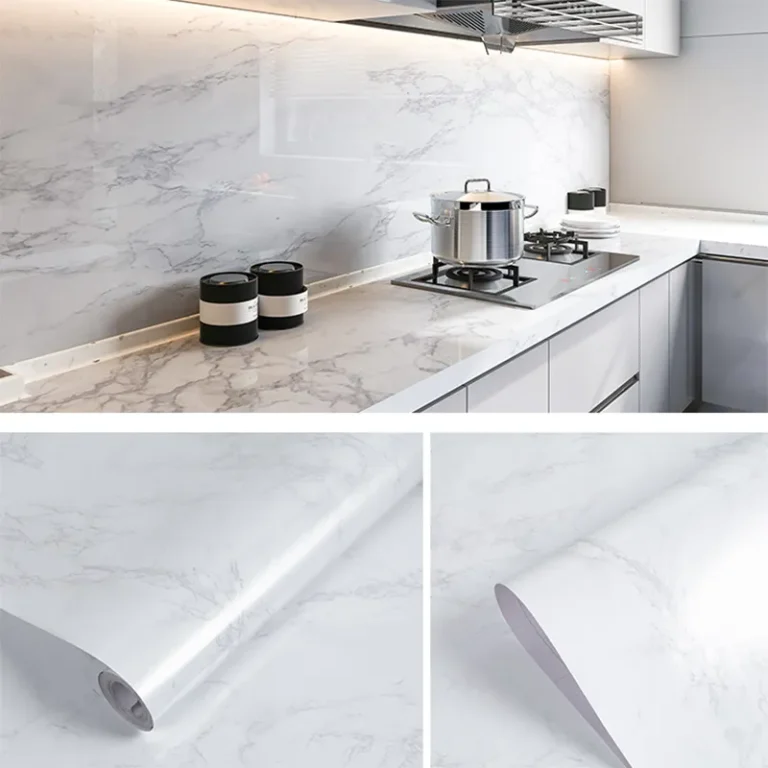
| Marble / stone effect film | Countertops, wall panels | High visual impact at lower cost than real stone |
| Glossy / mirror-like film | Wardrobes, modern furniture | Premium appearance, easy to clean |
| Anti-oil / kitchen film | Backsplashes, cabinets near cooktops | Resists stains and cleaning agents |
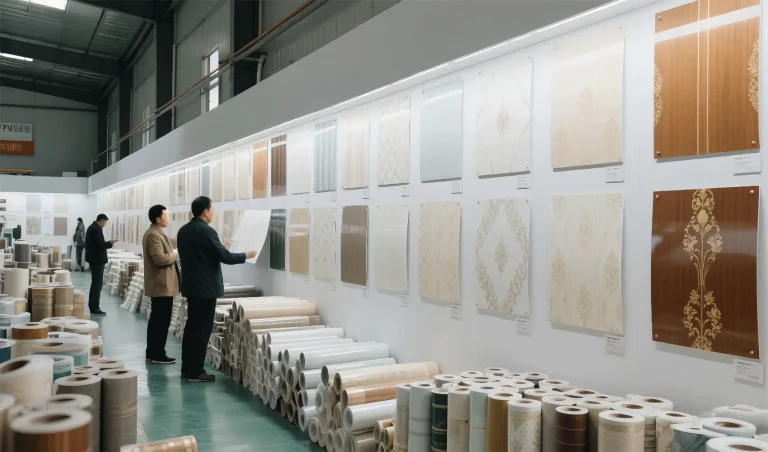
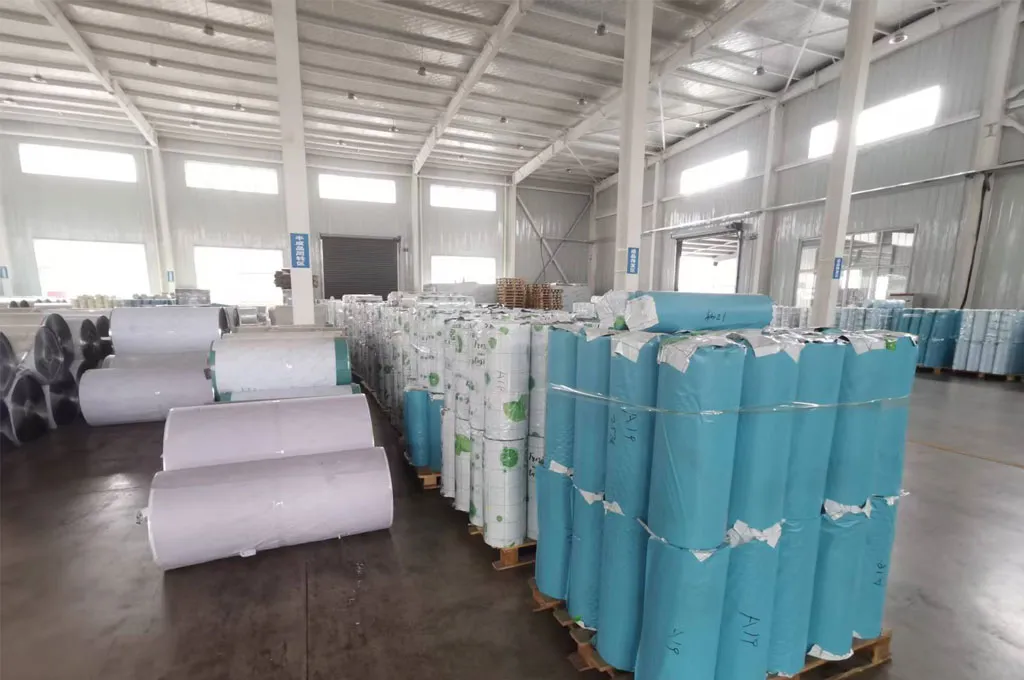
Assess a manufacturer’s equipment and end-to-end control. Look for providers with in-house calendering, printing, and split-packaging lines to reduce variability and lead times. Ask about:
Request quality control checkpoints and any relevant certifications or lab test reports (e.g., SGS). A robust QC process covers raw material inspection, in-line checks during printing/calandering, and final packing inspection.
Supplier flexibility on MOQ and OEM/customization matters for both small designers and large buyers. Compare:
When you receive samples, evaluate for color consistency, adhesion to substrate, flexibility, scratch resistance, and how the pattern aligns when seamed. Test under intended conditions (e.g., steam exposure in bathrooms or heat near stove areas).
Balance aesthetics with durability and supplier reliability. Prioritize manufacturers that demonstrate full in-house production, transparent QC, flexible OEM capabilities, and stable lead times. If you need a dependable partner that covers these bases, consider contacting Pulivk through their website to request samples and discuss custom options: https://pvcfilmtec.com/.