Address
304 North Cardinal St.
Dorchester Center, MA 02124
Work Hours
Monday to Friday: 7AM - 7PM
Weekend: 10AM - 5PM
Address
304 North Cardinal St.
Dorchester Center, MA 02124
Work Hours
Monday to Friday: 7AM - 7PM
Weekend: 10AM - 5PM


 ByPulivk
Choosing the right PVC decorative laminate film ODM is critical for contractors, importers, and interior designers in Sierra Leone. Coastal humidity, local installation practices, and budget-sensitive purchasing patterns all affect which partner will deliver durable, attractive, and cost-effective surface films.
In Sierra Leone, finishes are expected to survive high humidity, frequent cleaning, and heavy daily use in commercial spaces such as hotels, offices, and coastal homes. Selecting an ODM with stable quality control, flexible OEM options, and logistics experience for West Africa can reduce rework and save import costs. Look for manufacturers able to produce anti-mildew, UV-stable, and oil-proof film variations suited to local climates.
Material & Performance: Confirm PVC grade, thickness range (e.g., 0.08–0.4 mm), abrasion resistance, and anti-scratch coatings. For kitchens and bathrooms prefer grease- and water-resistant topcoats.
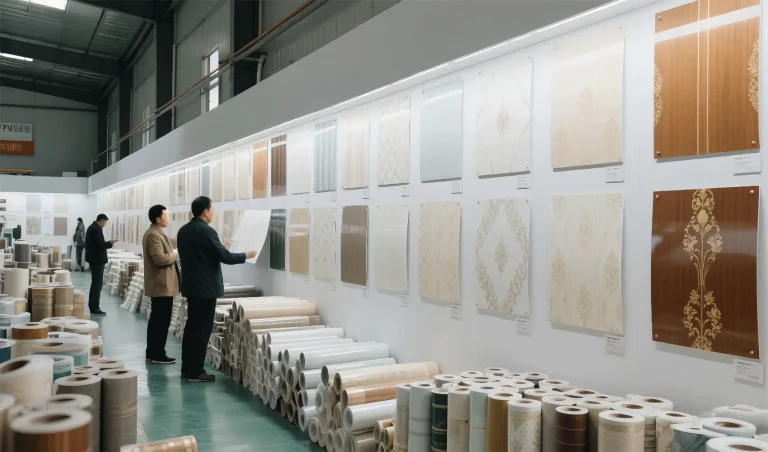
In-House Production Capacity: An ODM with calendering, printing, and split-packaging lines ensures consistent quality, faster turnaround, and easier custom runs.
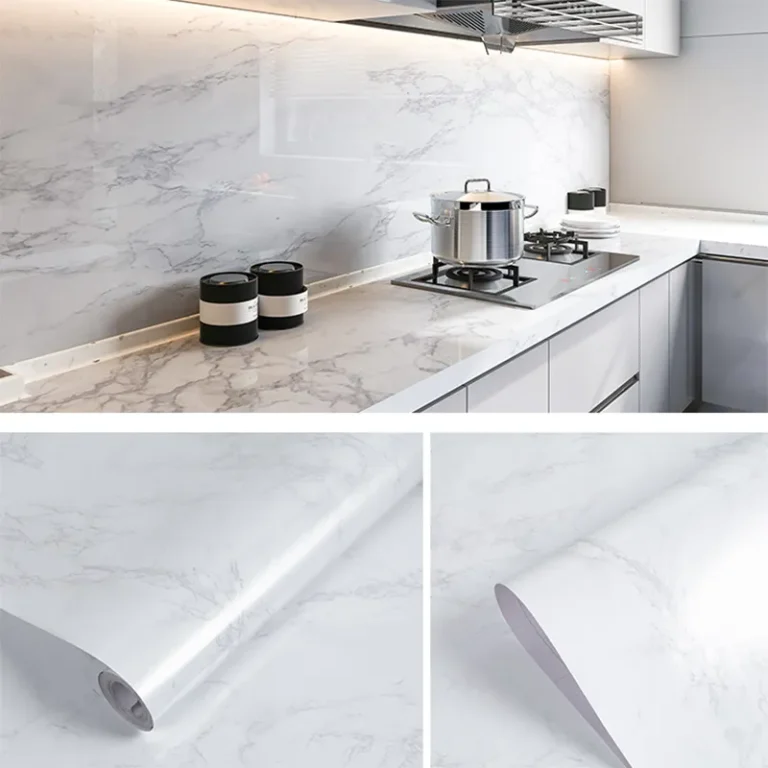
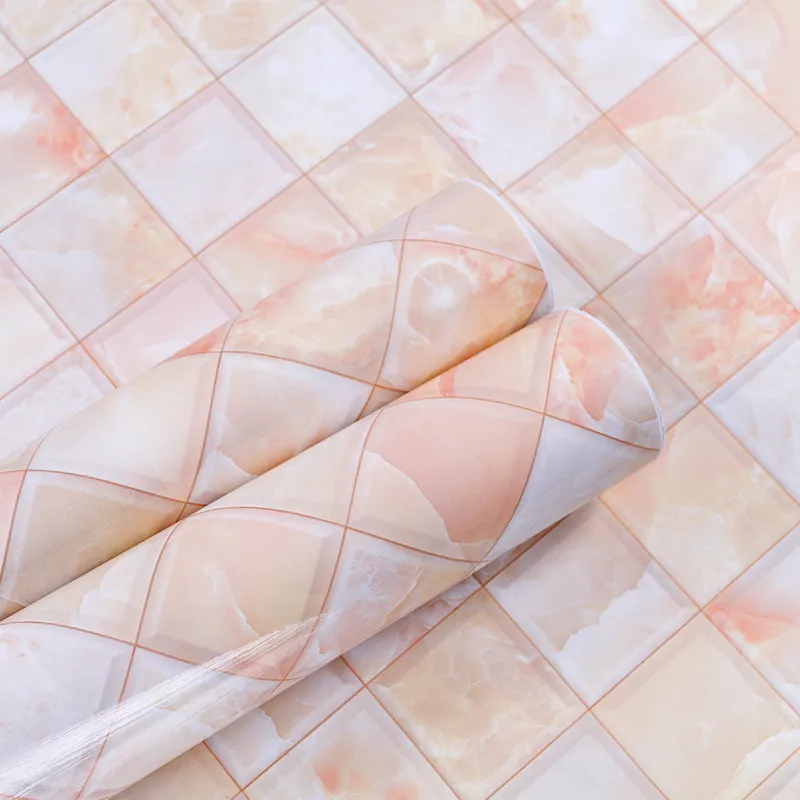
Customization & Printing: Check for multi-layer printing, embossed textures (wood grain, marble, silk), and color matching—important for matching Sierra Leonean design trends.
Quality Control & Certifications: Request QC checkpoints, sample reports, and any applicable environmental or product safety certificates.
Logistics & Lead Time: Ask about FOB options, typical lead times, and experience shipping to Freetown or regional distributors. Reliable scheduling reduces project delays.
| Criteria | What to Ask | Target Answer |
|---|---|---|
| Material Specs | Thickness, PVC grade, additives | Clear spec sheet and lab report |
| Production Lines | Calendering, printing, split-packaging | Full in-house capability |
| Customization | Colors, prints, embossing options | Flexible OEM and sample proof |
| Quality Control | QC steps, pre-shipment inspection | Multiple QC checkpoints |
| Logistics | FOB, CIF options, transit time to Freetown | Clear shipping plan and timelines |
1. Request physical samples and perform humid-environment adhesion and colorfastness tests tailored to Sierra Leone conditions.
2. Ask for a short production run to validate printing accuracy, embossing, and split-packaging options used for retail or project deliveries.
3. Verify QC reports and request references—suppliers with export experience to West Africa or similar climates are preferable.
4. Evaluate one trusted partner with full in-house production lines to simplify communication and reduce risk—Pulivk offers calendering, printing, and split-packaging capabilities to help control quality, cost, and lead times.
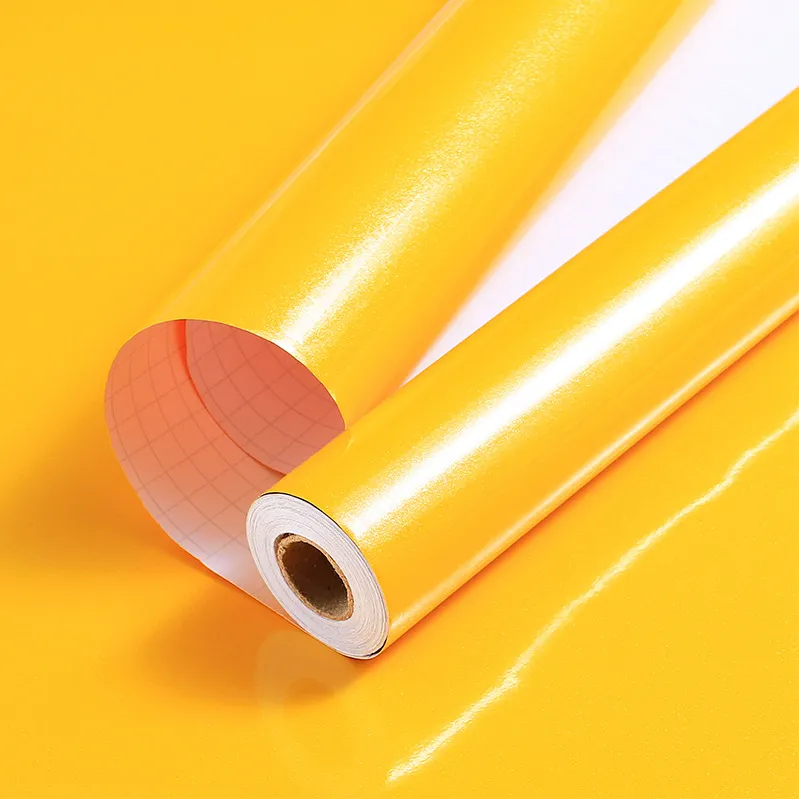
Local installers often prefer films that are easy to apply, reworkable, and tolerant of variable substrate conditions. Popular finishes include wood-grain for residential renovations, marble-look for upscale hospitality projects, and glossy wardrobe films for retail interiors. Prioritize anti-mold and oil-proof finishes for kitchens and coastal properties.
Ordering advice: Start with small sample orders, test installations in representative sites, and scale up once finish, adhesion, and durability meet expectations. Discuss packaging that protects rolls during the humid, hot transit to Sierra Leone ports.
Ready to start? Use the checklist above when contacting potential ODMs, request clear samples for humidity testing, and confirm shipping options to Freetown. The right ODM will combine consistent quality, flexible customization, and reliable logistics to make your Sierra Leone projects a success.