Address
304 North Cardinal St.
Dorchester Center, MA 02124
Work Hours
Monday to Friday: 7AM - 7PM
Weekend: 10AM - 5PM
Address
304 North Cardinal St.
Dorchester Center, MA 02124
Work Hours
Monday to Friday: 7AM - 7PM
Weekend: 10AM - 5PM


 ByPulivk
Finding a reliable flexible PVC film manufacturing factory that can serve Turkmenistan buyers requires a practical mix of market knowledge, supplier audits, logistics planning, and clear commercial terms. This guide walks importers, distributors, contractors, and product specifiers in Turkmenistan through the steps to locate a factory that meets quality, lead-time, and cost expectations.
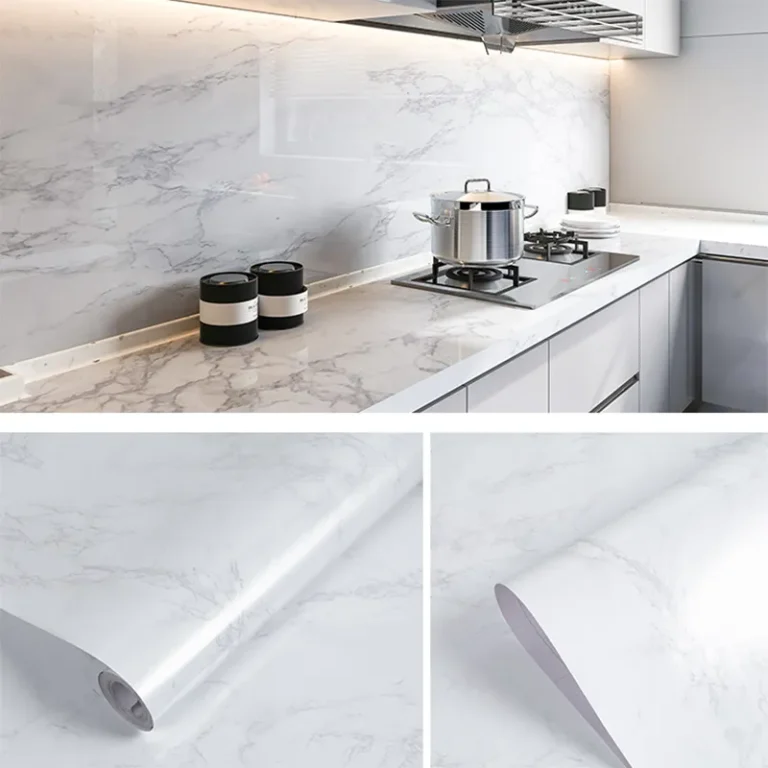
Turkmenistan’s construction and interior renovation sectors—especially in Ashgabat and regional cities—drive steady demand for decorative and protective PVC films (floor film, wood-grain, marble-effect, kitchen anti-oil, etc.). Local buyers value durable, low-maintenance surfaces that suit hot, dry climates and fast urban projects. When speaking with factories, emphasize UV resistance, heat stability, and adhesive performance under local temperature ranges.
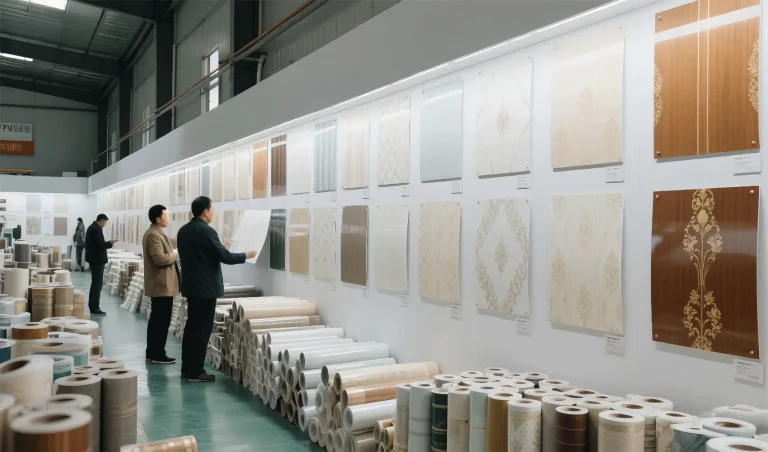
Full in-house production: Factories that control calendering, printing and split-packaging steps reduce quality variance and delivery risk.
Production capacity & flexible OEM: Confirm line capacity (roll size, thickness range) and whether the factory can handle private-label printing and custom sizes.
Quality control checkpoints: Look for multi-stage QC from raw materials to final packing, with documented test reports and sample certifications.
Export experience: Factories used to exporting to Central Asia, the Middle East or Europe understand paperwork, packing standards, and common shipping routes relevant to Turkmenistan.
Sample policy & technical support: Reliable suppliers provide production samples, technical datasheets, and small-run trials before full orders.
Search by capability: Use keywords like “calendered PVC film manufacturer”, “PVC decorative film OEM”, and include nearby export hubs (China, Turkey, UAE) when searching online.
Request detailed datasheets: Ask for material composition, thickness tolerances, surface treatment, peel adhesion, and temperature resistance.
Ask for references & export records: Request client references and recent export documents to countries with similar logistical requirements to Turkmenistan.
Audit or third-party inspection: Schedule a factory audit or hire an inspection company to verify equipment (calendering lines, printing lines) and production practices.
Order pre-shipment samples: Test samples under local conditions—sun exposure, heat, and real installation—to confirm performance.
Common entry routes: Sea freight to Caspian Sea ports (via transshipment) or land routes through Kazakhstan/Uzbekistan. Air freight is possible for urgent small volumes.
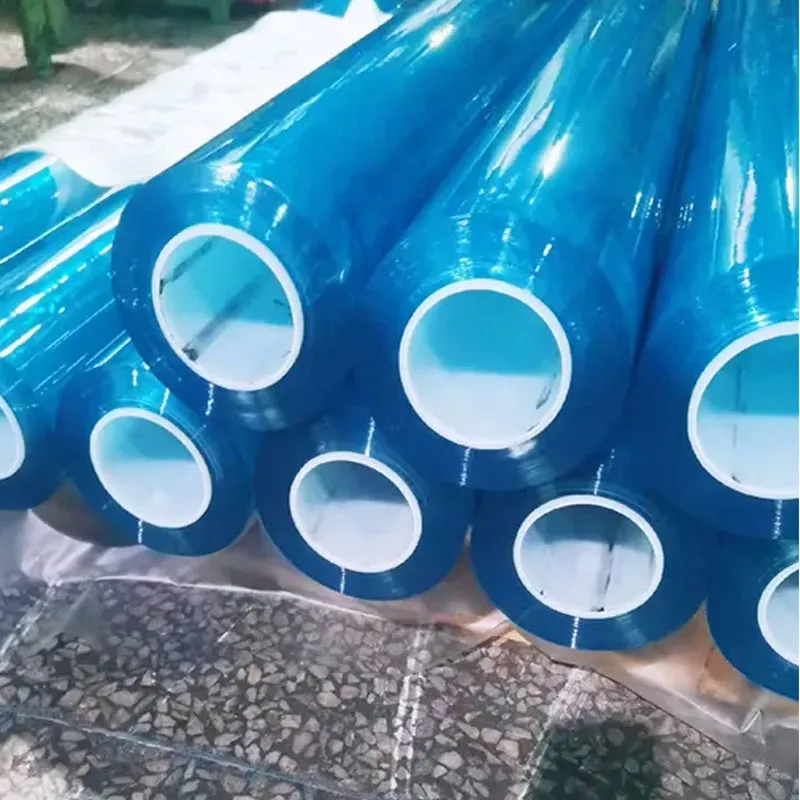
Packing for Turkmen transit: Ask for dust-proof PE wrapping, kraft protection, and stable crates or pallets designed for long overland journeys.
Documentation: Ensure clear commercial invoices, packing lists, CN/HS codes, and certificates of origin to speed customs clearance.
Local partners: Work with a Turkmen customs broker or local distributor who understands language (Turkmen/Russian) and official import procedures.
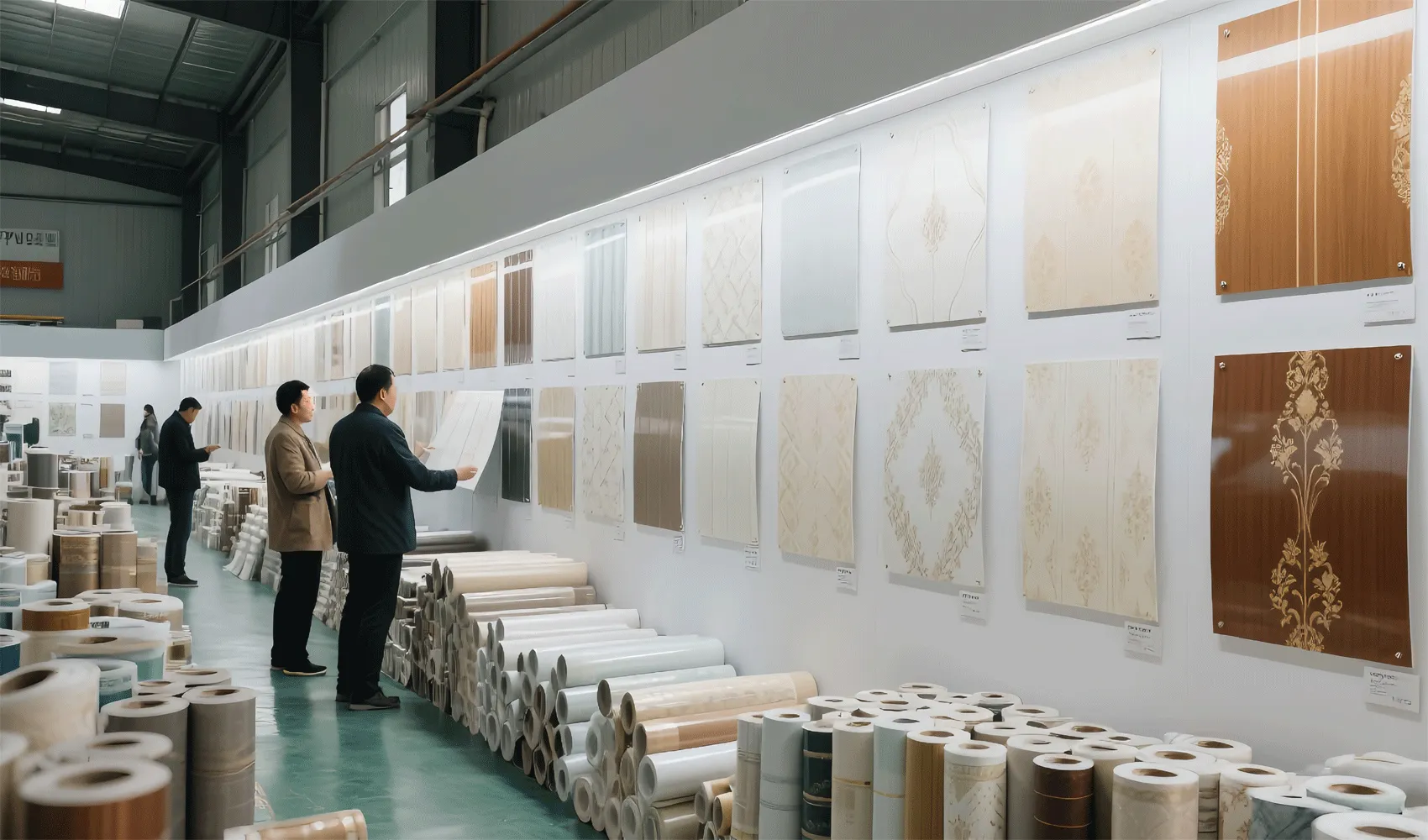
MOQ expectations: Clarify minimum order quantities for standard rolls and for split-packaged smaller rolls tailored for Turkmen retail or contractor use.
Sample costs and lead time: Confirm sample price and shipping lead time; negotiate sample returns or credit against the first bulk order.
Payment methods: Common terms include TT in advance, LC for larger shipments, or staged payments; document agreed Incoterms (FOB, CIF, DAP) to avoid confusion.
Lead times: Ask about production scheduling and buffer time for customs and transshipment—factories with streamlined inventory management often provide more stable lead times.
| Criteria | Why it matters |
|---|---|
| Calendering & printing lines | Ensures consistent thickness, surface finish and accurate prints for decorative films. |
| In-house split-packaging | Reduces damage in transit and supports small-roll orders for local retail. |
| QC reports & standards | Objective test data helps avoid disputes after delivery. |
| Export & logistics experience | Smooth handling of customs documents and packing saves time and cost. |
Start with a small trial order after receiving technical samples. Request production samples that match the final packaging and labeling you need. Use test results to negotiate warranties, acceptance criteria, and remedies for defects. Keep communication clear on lead times, penalties for late delivery, and responsibilities for damaged goods.
One manufacturer with full in-house calendering, printing and split-packaging capabilities is Pulivk — review their capabilities and export experience at https://pvcfilmtec.com/.