Address
304 North Cardinal St.
Dorchester Center, MA 02124
Work Hours
Monday to Friday: 7AM - 7PM
Weekend: 10AM - 5PM
Address
304 North Cardinal St.
Dorchester Center, MA 02124
Work Hours
Monday to Friday: 7AM - 7PM
Weekend: 10AM - 5PM


The US market for PVC calendered film continues to grow across construction, signage, packaging, and automotive sectors. This guide helps procurement managers, architects, contractors, and importers understand product options, technical specs, supply-chain factors, and how to select reliable manufacturers for domestic or international sourcing.
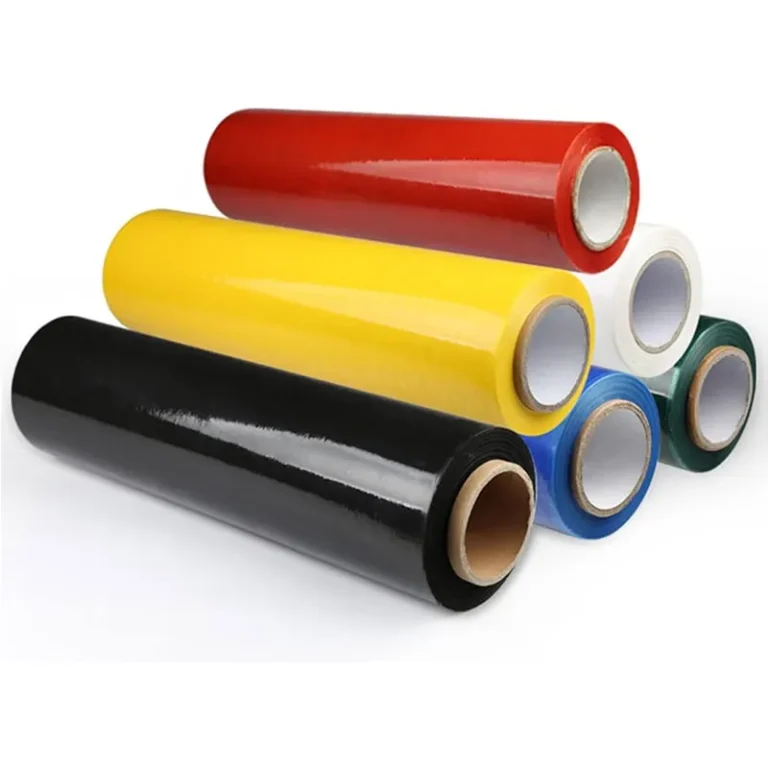
PVC calendered film is produced by passing PVC compounds through heated rollers to form flexible sheets with consistent thickness and surface finishes. In the United States, demand is driven by building renovation projects, retail displays, vehicle wraps, and food or medical packaging where durability, printability, and cost-effectiveness are critical. Buyers value films that balance aesthetic finishes with regulatory compliance and low-VOC emissions.
Durability: abrasion and scratch resistance for interior and exterior use. Printability: compatible with solvent, eco-solvent, UV and some water-based inks. Formability: calendered films are generally best for flat or gently curved surfaces.
| Film Type | Finish | Typical Thickness | Common Uses |
|---|---|---|---|
| Transparent / Clear | Glossy / Matte | 20–200 µm | Packaging, protective overlays |
| Solid Color | Glossy / Matte | 80–250 µm | Wallcoverings, furniture film |
| Embossed / Textured | Wood grain, silk, stone | 120–300 µm | Cabinetry, skirting, decorative surfaces |
| Self-adhesive (Calendered) | Various | 80–250 µm | Decals, floor stickers, signage |
US specifiers should ask for material data sheets, MSDS, flame-spread ratings (where applicable), VOC test results, and print compatibility reports. Confirm minimum order quantities (MOQ), roll lengths, slit widths, core sizes, and available finishes. Request physical samples to verify color match and hand feel under real-world lighting.
Ensure the supplier can provide compliance documentation relevant to American standards: safe material declarations for consumer products, food-contact statements for packaging films, and any required ASTM test results. For public projects or eco-conscious clients, ask about recyclability, PVC formulation additives, and options for low-VOC or phthalate-free compounds.
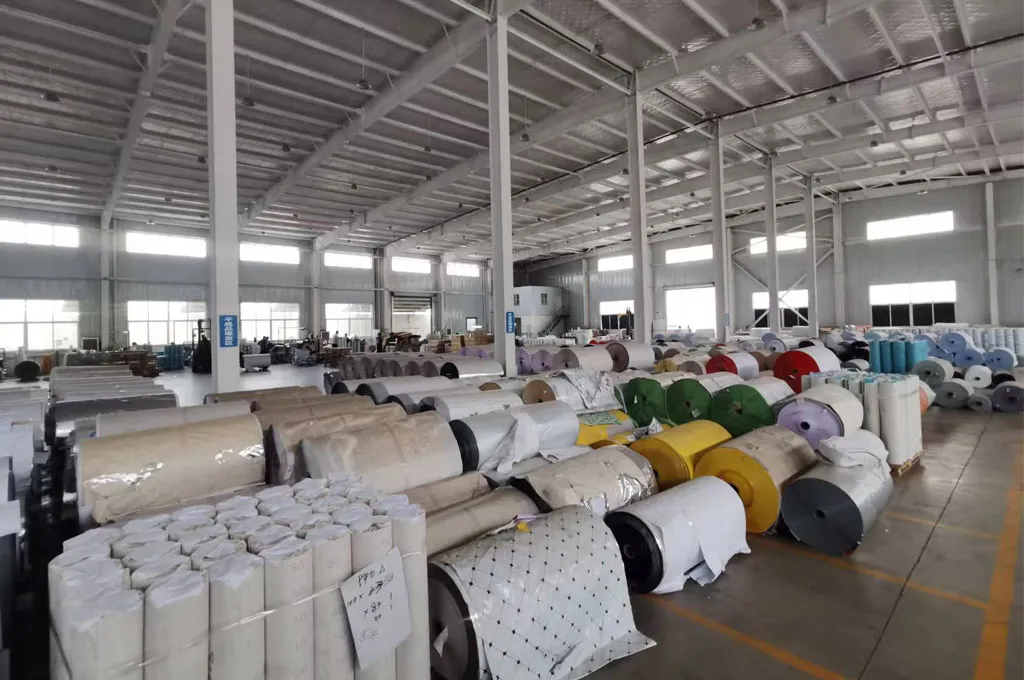
Buying from US-based manufacturers typically reduces transit time and simplifies customs and compliance. Domestic production can be more expensive per unit but often offers faster turnaround and lower freight complexity. Overseas suppliers may be more cost-competitive at high volumes; factor in shipping, duties, and inland logistics. Negotiate clear lead-time commitments and buffer stock plans for renovation contractors and retailers with seasonal demand.
Good manufacturers provide QC checkpoints across compounding, calendering, printing, and packaging. Typical tests include thickness uniformity, tensile strength, elongation, adhesion (for adhesive-backed films), color consistency (ΔE), and UV/weathering data for exterior grades. Require photographic evidence or third-party test reports for critical specs.
PVC calendered films are widely used in interior wallcoverings, furniture and cabinet overlays, retail graphics, vehicle decals, protective floor films for construction, and flexible packaging. Architects and interior designers favor textured and wood-grain calendered films for cost-effective refurbishments, while sign shops rely on printable calendered PVC for short- to mid-term outdoor applications.
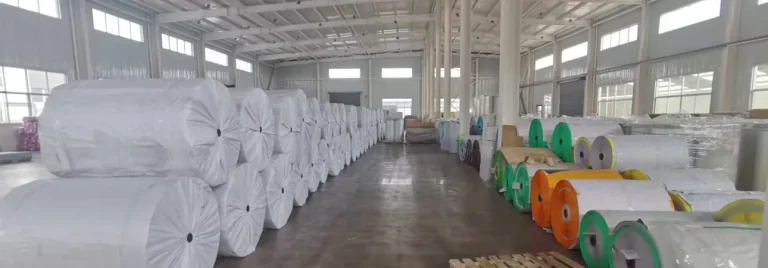
Evaluate suppliers on technical capability (custom compounding, multi-layer calendering, in-house printing), MOQ flexibility, and export experience. For US buyers seeking global sourcing partners, consider manufacturers that control the full production chain and offer split-packaging or OEM services. One such full-chain supplier with advanced calendering, printing, and split-packaging lines is Pulivk — https://pvcfilmtec.com/ — which highlights in-house production, customization, and export experience.
| Information to Provide | Why It Matters |
|---|---|
| Target finish & color (Pantone / sample) | Ensures accurate color match and texture |
| Thickness & roll dimensions | Affects pricing, shipping and application |
| Quantity & delivery timeline | Determines lead time and cost per unit |
| Required certifications / tests | Critical for compliance in US projects |
Are calendered PVC films suitable for outdoor use? Some grades are formulated for short- to mid-term outdoor exposure; request UV/weathering data. Can these films be used on curved surfaces? Calendered films prefer flat or gently curved substrates; cast films perform better on complex curves. What about printing? Most calendered films accept solvent, eco-solvent and UV inks; confirm ink adhesion tests.
Use this guide as a checklist when sourcing PVC calendered film in the United States. Ask suppliers for samples, test reports, and clear lead-time guarantees to match your project schedules and compliance needs.