Address
304 North Cardinal St.
Dorchester Center, MA 02124
Work Hours
Monday to Friday: 7AM - 7PM
Weekend: 10AM - 5PM
Address
304 North Cardinal St.
Dorchester Center, MA 02124
Work Hours
Monday to Friday: 7AM - 7PM
Weekend: 10AM - 5PM


 ByPulivk
Transforming the look of your interior doors doesn’t require a full replacement. PVC door film offers a versatile, cost-effective solution to refresh your space. This guide explores the different types of PVC door films, their key benefits, and provides practical installation tips to ensure a flawless finish.
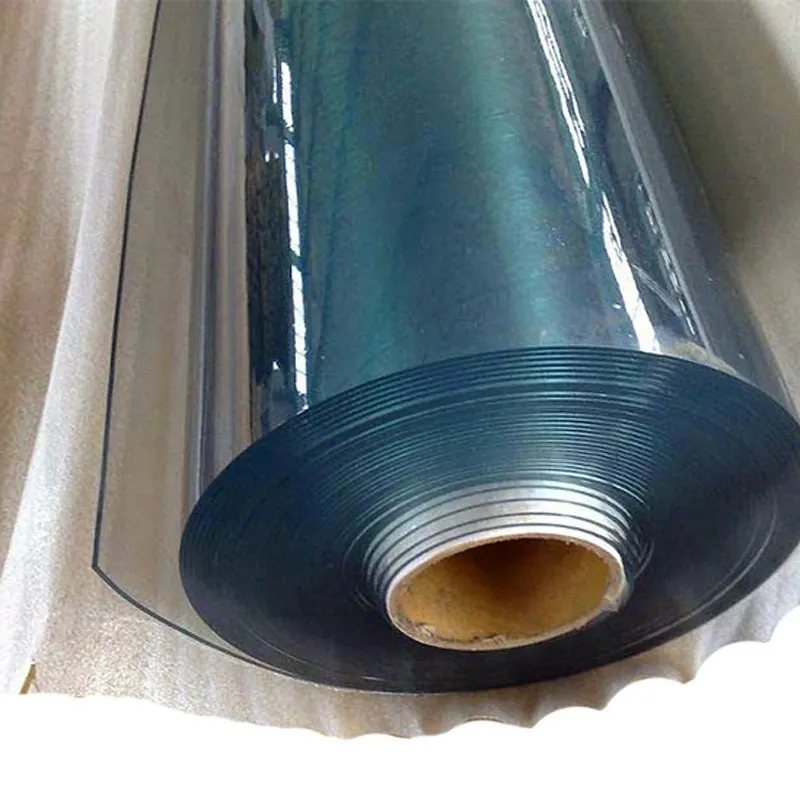
PVC (Polyvinyl Chloride) door film is a thin, flexible laminate designed to adhere to the surface of existing doors. It acts as a decorative and protective layer, instantly updating the door’s appearance without the mess and expense of painting or purchasing new units. These films are engineered for durability, ease of maintenance, and come in a vast array of textures and patterns to suit any design aesthetic, from modern minimalist to classic traditional.
The variety available allows for precise matching to your interior design vision. Here are the most common categories:
Wood Grain Films: Perfect for achieving the warm, natural look of oak, walnut, or maple without the cost of solid wood. Ideal for creating a cohesive look with existing wooden furniture or flooring.
Glossy & Matte Films: Glossy films reflect light, adding a sleek, contemporary feel and making spaces appear brighter. Matte finishes offer a sophisticated, non-reflective surface that hides fingerprints and minor imperfections beautifully.
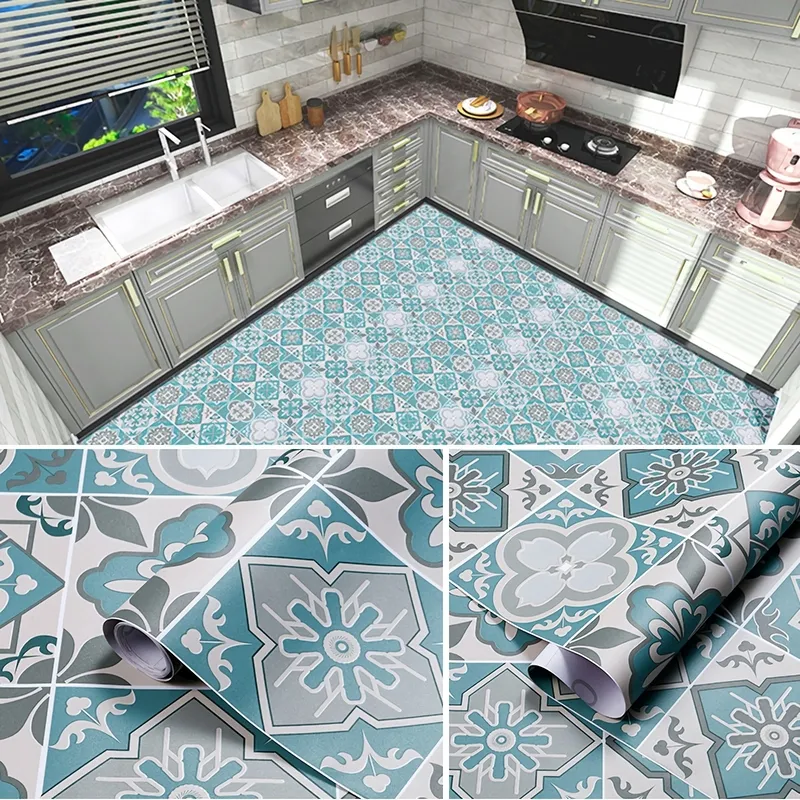
Textured Films (Stone, Fabric, 3D): These include realistic stone patterns, subtle cloth weaves, and 3D textured films that add tangible depth and a tactile element to your doors, elevating the sensory experience of a room.
Solid Color Films: A vast palette of plain colors, from bold accent hues to neutral tones, allowing for complete creative freedom. They work similarly to paint but are more durable and easier to apply uniformly.
Calendered Film: This is a standard, high-quality film produced through a rolling and heating process, resulting in a consistent thickness and smooth surface. It’s the backbone of many decorative films. Learn more about the process on our Calendered Film page.
Self-Adhesive Film: Features a pre-applied, pressure-sensitive adhesive backing protected by a liner. This user-friendly type is perfect for DIY projects, as it requires only simple tools for application.
Thermoformable Film: A specialized film that can be heated and molded over contoured surfaces, making it suitable for doors with detailed profiles or raised panels.
Choosing PVC film for your doors brings a multitude of advantages over traditional renovation methods.
Cost-Effectiveness: It is a fraction of the cost of buying and installing new doors. You achieve a high-end look without the high-end price tag.
Minimal Disruption & Quick Transformation: There’s no need to remove doors or create significant dust. A room can be updated in a matter of hours, not days.
Durability and Protection: High-quality PVC films are resistant to scratches, stains, and moisture. They protect the underlying door from wear, fading, and minor impacts, extending its lifespan.
Easy Maintenance: Most films can be cleaned effortlessly with a damp cloth and mild detergent, resisting common household grime better than painted or varnished wood.
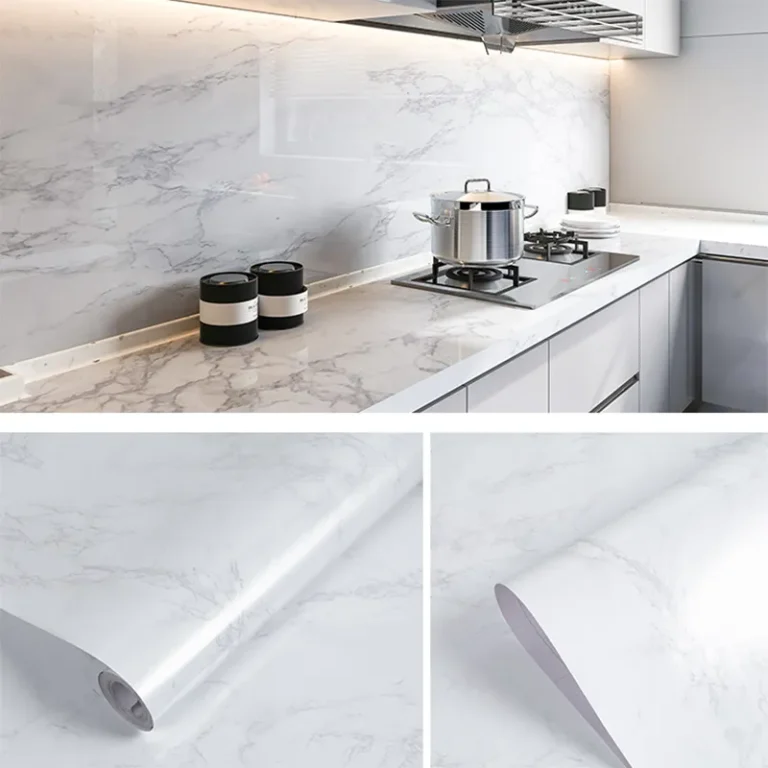
Design Versatility: With endless patterns, colors, and textures available—from classic Wood Grain to elegant Marble Film—you can match any interior theme or create a striking feature door.
Reversible and Removable: For renters or those who like to change styles frequently, many films can be removed without damaging the original door surface, offering non-permanent design flexibility.
Proper installation is crucial for a professional, long-lasting result. Follow these steps for the best outcome.
Surface Cleaning: The door must be impeccably clean, dry, and free of grease, dust, or old wax. Use isopropyl alcohol or a dedicated cleaner for a perfectly degreased surface.
Sanding and Filling: Lightly sand glossy surfaces to create a “tooth” for better adhesion. Fill any dents, holes, or imperfections with wood filler and sand smooth.
Measuring and Cutting: Measure your door panel accurately. Cut the film to size, leaving a slight excess (about 2-3 cm) on all sides to allow for final trimming.
➤ The Wet Method (Recommended for Large Areas): Mix a few drops of mild dish soap with water in a spray bottle. Lightly mist the adhesive side of the film and the door surface. This creates a slippery layer that allows you to position and reposition the film easily before squeegeeing out the water and air bubbles from the center outward.
➤ The Dry Method (For Small Panels or Self-Adhesive Film): Peel back a small section of the liner. Align the film perfectly with the top edge of the door and press it down. Gradually peel the liner away while using a soft cloth or squeegee to smooth the film onto the surface, working from top to bottom and center to edges to prevent air bubbles.
Removing Air Bubbles: Use a plastic squeegee or a soft, flat-edged card. Work methodically from the center towards the edges, pushing any trapped air out. For tiny, stubborn bubbles, a pin prick can release the air, which can then be smoothed down.
Trimming and Sealing Edges: Once the film is perfectly smooth, use a sharp utility knife or a trimming knife to carefully cut away the excess film along the door edges. For added durability on external-facing edges, you can seal them with a clear, waterproof sealant.
Allow the adhesive to cure fully for 24-48 hours before subjecting the door to regular use or cleaning. Avoid using abrasive cleaners or scouring pads; stick to a soft cloth and mild solutions.
Q1: Can PVC door film be used on exterior doors?
A: While some high-grade, weather-resistant PVC films exist, they are generally recommended for interior use only. Interior films may not withstand prolonged UV exposure, extreme temperature fluctuations, and heavy rain, which can cause peeling, fading, or degradation.
Q2: How long does PVC door film typically last?
A: With proper installation and care, high-quality PVC door film can last 5 to 10 years or more in an interior setting. Its lifespan is influenced by factors like material quality, sun exposure, and the level of physical wear and tear it receives.
Q3: Is it possible to remove the film without damaging the original door?
A: Yes, most self-adhesive films are designed to be removable. Applying gentle heat with a hairdryer can soften the adhesive, allowing you to slowly peel the film back at a low angle. Any residual adhesive can be removed with a commercial adhesive remover or rubbing alcohol.
Q4: Can I apply PVC film over a previously painted or varnished door?
A: Absolutely. The key is that the existing surface must be smooth, clean, and non-porous. Ensure the paint is fully cured and not peeling or chalking. Lightly sanding a glossy painted surface is highly recommended to ensure strong adhesion.
Q5: Where can I find more information or specific product types?
A: For a comprehensive look at our range, including functional films for areas like kitchens and bathrooms, visit our main Product catalog. You can also find helpful resources in our Knowledge center.