Address
304 North Cardinal St.
Dorchester Center, MA 02124
Work Hours
Monday to Friday: 7AM - 7PM
Weekend: 10AM - 5PM
Address
304 North Cardinal St.
Dorchester Center, MA 02124
Work Hours
Monday to Friday: 7AM - 7PM
Weekend: 10AM - 5PM


 ByPulivk
Improving the antioxidant performance of PVC film is essential for long-term durability and aging resistance. This guide covers the chemistry, formulation strategies, processing controls, and practical testing methods that help manufacturers and specifiers extend film life while maintaining appearance and mechanical integrity.
PVC film undergoes thermal, oxidative, and UV-driven degradation during processing, storage, and service. Oxidation leads to chain scission, discoloration, loss of flexibility, and reduced tensile strength. Effective antioxidant systems slow these reactions, preserve color and gloss, and maintain the film’s physical properties over years of use.
Thermal oxidation: occurs during calendering and heat sealing; requires primary and secondary antioxidants. Photo-oxidation: from sunlight or indoor UV sources — demands UV absorbers and HALS. Plasticizer migration and additive loss: can accelerate aging and must be managed with compatible additives and barrier layers.
Phenolic antioxidants: (e.g., BHT, Irganox series) are chain-breaking antioxidants that neutralize free radicals during high-temperature processing. Phosphites/phosphonites: act as secondary antioxidants and peroxide scavengers, protecting the primary antioxidants and preventing discolouration. HALS (hindered amine light stabilizers): are crucial for long-term outdoor color stability and resistance to photo-degradation. UV absorbers: (e.g., benzotriazoles) reduce the amount of harmful UV reaching the polymer chains.
Adopt a multi-layer protection approach: combine phenolic antioxidants for processing protection, phosphite stabilizers for long-term heat/oxidation resistance, and HALS + UV absorbers for photo-stability. Optimize additive loadings to balance cost, migration, and performance.
Primary antioxidant (phenolic): 0.1–0.5 phr; secondary antioxidant (phosphite): 0.05–0.3 phr; HALS: 0.05–0.3 phr; UV absorber: 0.05–0.3 phr. Actual dosages vary with film thickness, processing temperature, and end-use exposure.
| Antioxidant Class | Mechanism | Typical Dosage (phr) | Advantages / Limitations |
|---|---|---|---|
| Phenolic (e.g., Irganox) | Free radical scavenger | 0.1–0.5 | Strong processing protection; can yellow at high levels |
| Phosphite | Peroxide decomposer | 0.05–0.3 | Enhances long-term stability; sensitive to moisture |
| HALS | Photo-stabilizer, regenerates radicals | 0.05–0.3 | Excellent outdoor life; may not protect against heat alone |
| UV Absorbers | Absorb UV, dissipate as heat | 0.05–0.3 | Reduces color fade; can migrate if incompatible |
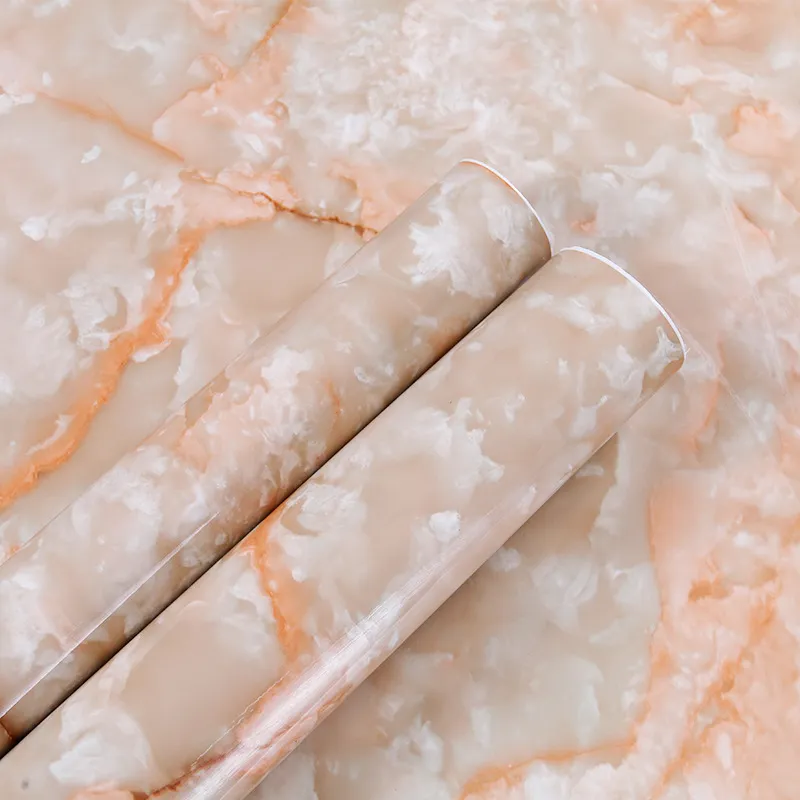
Control melt temperature, minimize residence time, and avoid excessive shear during calendering or extrusion. Use stabilized masterbatches to ensure even antioxidant dispersion and reduce direct addition variability. Incorporate in-line QC checks on color, melt flow, and thickness to catch early signs of degradation.
Store raw PVC resin and finished film in cool, dry conditions away from direct sunlight. Use sealed packaging or split-pack solutions to reduce moisture and oxygen ingress. For large inventories, rotate stock using FIFO to minimize shelf-related aging.
Accelerated weathering (QUV), thermal aging ovens, and mechanical testing (tensile, elongation) reveal long-term performance. Conduct migration and extraction tests for additives, plus color and gloss retention measurements at defined intervals.
QUV cycles: follow ASTM or ISO cycles for UV and condensation. Thermal aging: test at service-relevant temperatures. Migratory stability: evaluate solvent and plasticizer interactions to prevent surface bloom or tackiness.
Specify films with combined antioxidant and UV-stabilizer packages for outdoor or high-UV indoor use. For decorative interior films, emphasize low-yellowing phenolics and compatible HALS to keep finishes vibrant. During installation, avoid prolonged exposure to heat guns or open flames and follow manufacturer drying/curing recommendations.
Pulivk supports custom antioxidant packages and flexible OEM options, allowing manufacturers to match performance needs while controlling costs and lead times.
Combining chemistry, optimized processing, and consistent QA yields PVC films with significantly improved durability and aging resistance. A tailored antioxidant system—balanced for processing and service conditions—is the most effective route to long-lasting performance.