Address
304 North Cardinal St.
Dorchester Center, MA 02124
Work Hours
Monday to Friday: 7AM - 7PM
Weekend: 10AM - 5PM
Address
304 North Cardinal St.
Dorchester Center, MA 02124
Work Hours
Monday to Friday: 7AM - 7PM
Weekend: 10AM - 5PM



 ByPulivk
Global PVC film markets have shown steady movement driven by feedstock resin costs, energy prices, logistics, and demand from interior decoration, packaging, and automotive sectors. Understanding these drivers helps buyers time purchases, negotiate better terms, and select the right product grade for each application.
Raw material (PVC resin): Resin feedstock is the single largest cost component—resin price volatility transmits quickly to film prices. When resin supply tightens, spot film prices often move up within weeks.
Energy & production costs: Calendering and lamination lines are energy-intensive. Elevated natural gas and electricity costs raise per-ton production expenses and can compress margins.
Logistics & shipping: Ocean freight spikes or port congestion increase landed costs for imported film and additives; this is especially important for buyers outside major producing regions.
Demand mix: Growth in renovation and DIY markets (flooring, kitchen/bath coverings) alongside stable packaging demand supports a base level of consumption; specialized films (anti-scratch, pearlescent, 3D textures) command premium pricing.
Expect moderate upward pressure if resin and energy prices remain elevated. Buyers should monitor spot resin indexes and secure quotes for immediate needs. Forward procurement of 1–3 month volumes can protect against sudden spot spikes.
Market direction will hinge on global resin production, winter energy demand, and shipping normalization. If resin supply improves and freight stabilizes, prices could soften; otherwise, a 3–8% uplift is possible in some grades.
| Product Segment | Current Avg (USD/ton) | 6-Month Outlook | 12-Month Outlook |
|---|---|---|---|
| Standard calendered PVC film | ≈ 1,200–1,600 | Stable to +4% | ±0% to +6% |
| 3D / textured decorative film | ≈ 1,500–2,000 | Slight premium persistence | Premium maintained |
| Self-adhesive & specialty film | ≈ 1,700–2,400 | Demand-driven | Stable to slightly higher |
When sourcing PVC film, evaluate beyond the headline unit price. These factors materially affect lifecycle cost and project outcomes:
Consider multi-month contracts with price review clauses tied to resin index or energy cost bands. Request bundled quotes (film + printing + packaging) to unlock volume discounts. For first orders, request a small certified sample roll to verify finish and adhesion before full production.
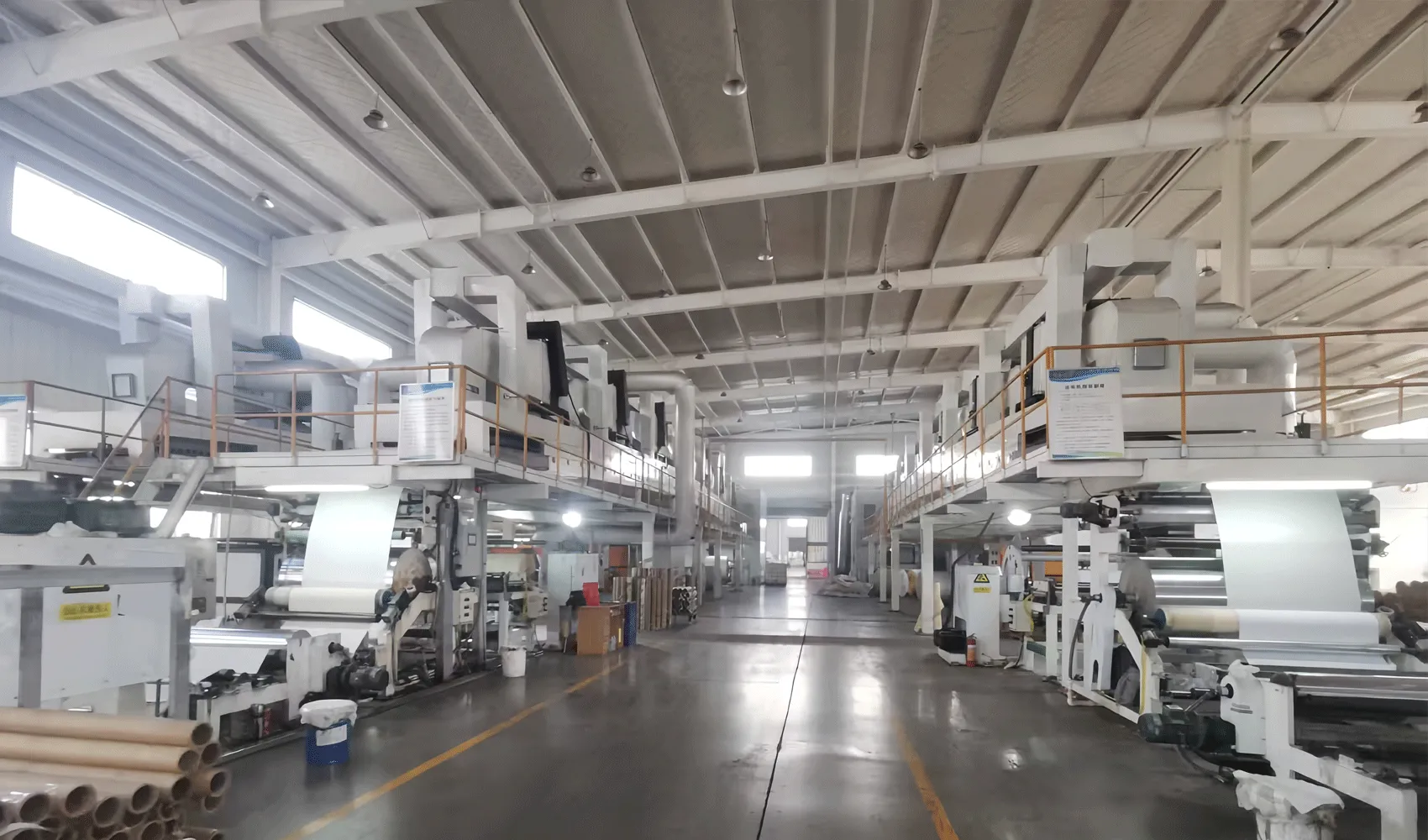
Pulivk (Henan Pulivk New Materials Co., Ltd.) operates full in-house production including calendering, printing, and split-packaging lines—helping buyers access consistent quality, flexible OEM options, and competitive lead times for global export markets.
Market movements are frequently tied to upstream resin and energy trends. Buyers who combine tactical spot purchases with strategic short-term contracts, demand transparency on QC, and prioritize suppliers offering split-packaging and OEM flexibility will be best positioned to control costs and ensure timely project delivery.