Address
304 North Cardinal St.
Dorchester Center, MA 02124
Work Hours
Monday to Friday: 7AM - 7PM
Weekend: 10AM - 5PM
Address
304 North Cardinal St.
Dorchester Center, MA 02124
Work Hours
Monday to Friday: 7AM - 7PM
Weekend: 10AM - 5PM


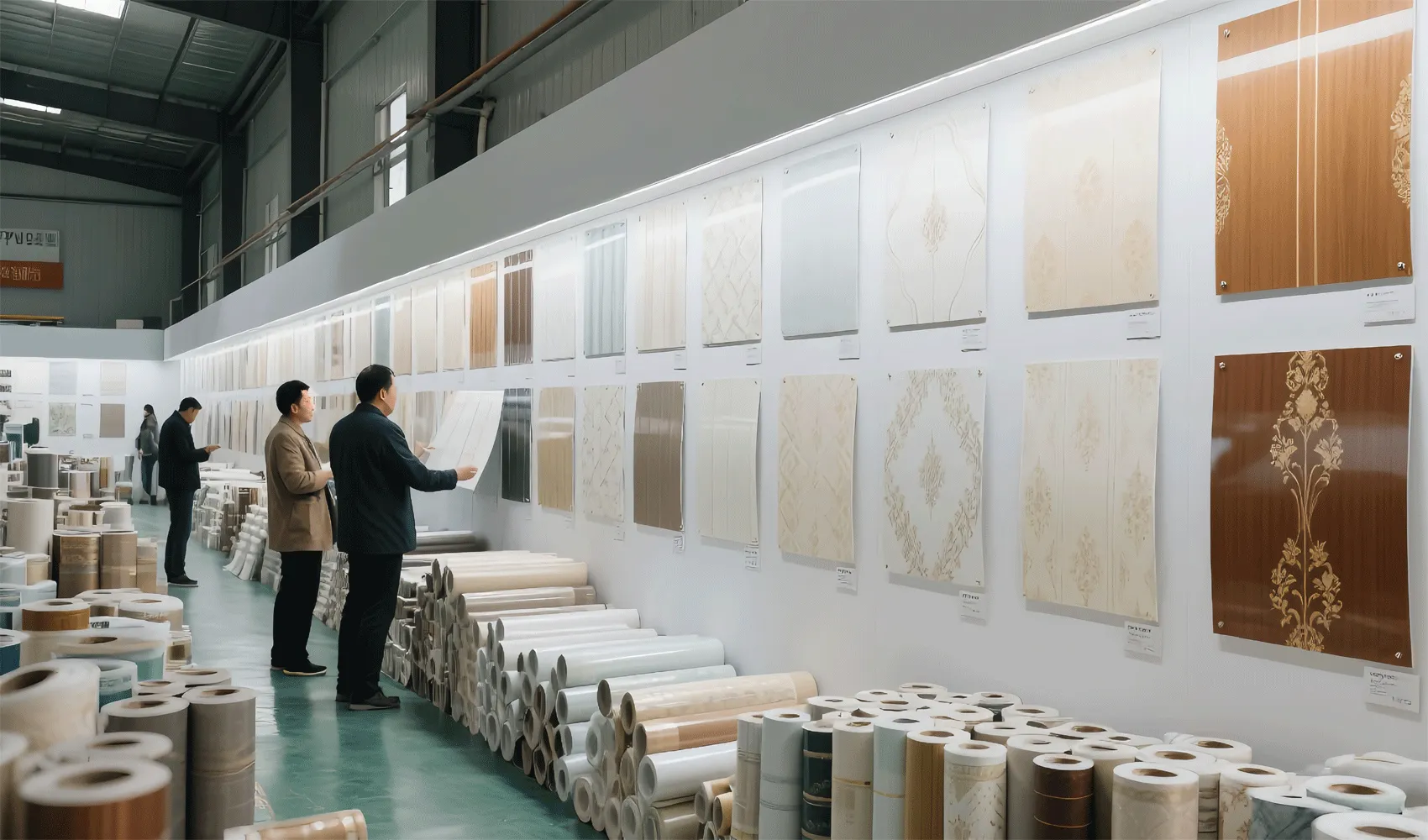
Argentina’s booming renovation, furniture and commercial fit-out markets have driven steady demand for high-quality PVC film rolls. Whether you’re a distributor in Buenos Aires, a cabinet maker in Córdoba, or a retail DIY chain serving Mendoza, understanding the supply chain, production process, and quality checkpoints is essential to source cost-effective, durable PVC film that fits local tastes and installation practices.
When sourcing PVC film rolls for the Argentine market, buyers commonly work with three types of suppliers:
To evaluate suppliers, check production capacity, sample quality, packaging options, lead times to Argentina ports (e.g., Buenos Aires), and compliance with international material standards.
High-quality PVC resin, stabilizers, plasticizers and additives are blended to meet mechanical properties, UV resistance and surface finish targets. Argentine buyers often prefer formulations that handle variable humidity and abundant sunlight exposure in many regions.
Calendering produces uniform thickness and surface texture (glossy, matte, wood grain, stone grain). Precision control reduces thickness variation and improves downstream printing and embossing quality.
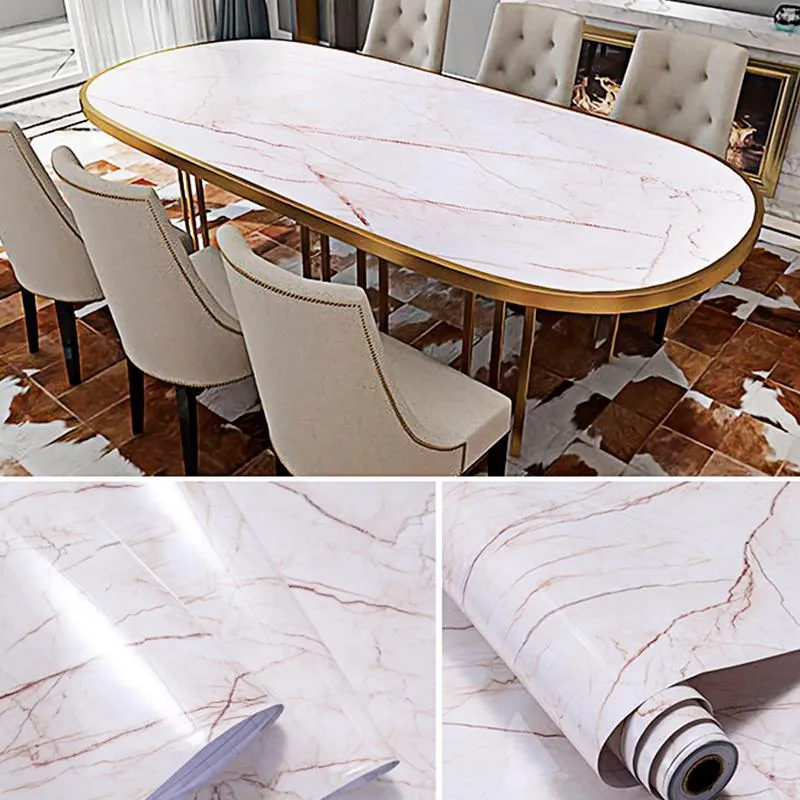
Rotary or gravure printing delivers high-resolution patterns like marble and wood grain. Protective coatings (anti-scratch, oil-proof) and UV inhibitors are applied based on end-use—kitchen and bathroom films often get extra oil and moisture resistance.
Embossing creates 3D textures (silk, cloth, brushed metal). Lamination layers and multi-layer films increase durability and sometimes provide fire retardant or anti-static properties.
Wide rolls are slit to ordered widths and rewound to specified lengths. Split-packaging for retail and professional installers is crucial for Argentine resellers who sell both full rolls and fixed-length retail rolls.
Final QC checks are performed and each roll is labeled with thickness, width, length, pattern and batch number—important for warranty and traceability across regional distribution networks.
Good suppliers run multiple QC checkpoints. Key tests Argentine buyers should insist on include:
Choose packaging that protects printed surfaces during ocean freight and local handling. Common practices favored by Argentine importers:
Lead times can vary: local suppliers offer weeks, overseas full-chain manufacturers typically require 4–8 weeks including production and sea freight. Using FOB/CFR terms and planning for clearance at Buenos Aires (or other regional ports) helps avoid delays.
| Parameter | Common Values | Notes |
|---|---|---|
| Thickness | 80–300 microns | Floor films often thicker; decorative films thinner |
| Width | 500mm–1500mm | Custom widths available |
| Roll length | 25m–200m per roll | Split-pack options reduce per-pack length |
| Surface | Glossy, matte, wood grain, marble, silk | Choose by end-use and local design trends |
| Core | 3-inch / 76mm | Confirm compatibility with local machines |
Henan Pulivk New Materials Co., Ltd. operates full in-house production with calendering, printing and split-packaging lines—offering flexible OEM, strict quality control checkpoints, stable lead times and cost-effective manufacturing tailored for global export.
Choosing the right partner for PVC film rolls means balancing price, consistent quality, and logistic practicality for Argentina’s diverse regional markets. Use the production and QC guide above to prepare better RFQs, evaluate samples and build long-term supplier relationships that support growth across Argentina’s renovation and manufacturing sectors.