Address
304 North Cardinal St.
Dorchester Center, MA 02124
Work Hours
Monday to Friday: 7AM - 7PM
Weekend: 10AM - 5PM
Address
304 North Cardinal St.
Dorchester Center, MA 02124
Work Hours
Monday to Friday: 7AM - 7PM
Weekend: 10AM - 5PM


 ByPulivk
PVC printing film is a versatile surface material used in flooring, furniture, kitchen splashbacks, and packaging. Understanding the PVC printing film process helps brands, designers, and manufacturers choose the right printing technique for durability, color fidelity, and cost-efficiency. This guide covers major printing methods, production steps, quality control strategies, and practical tips to get the best results from PVC film printing.
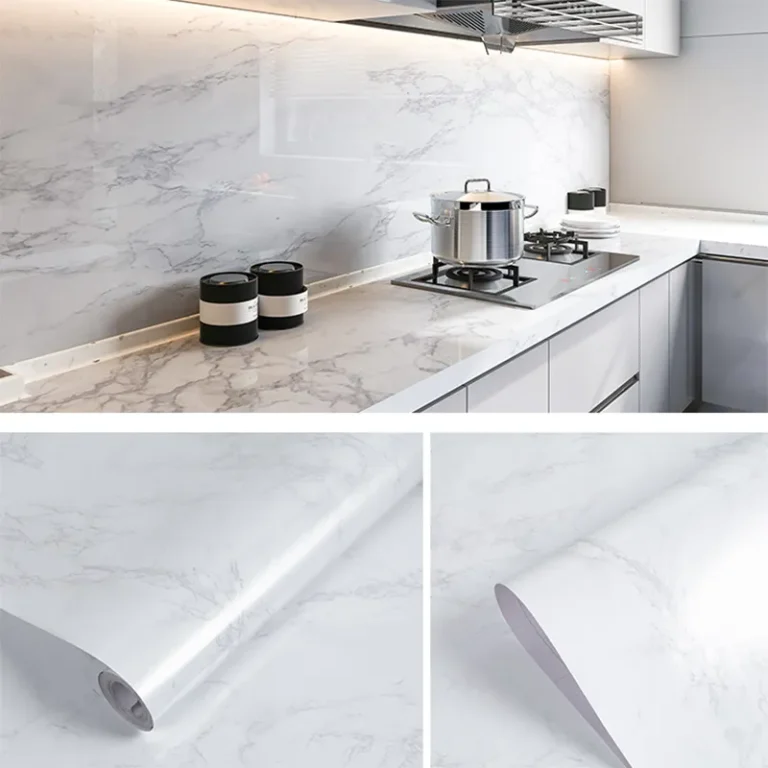
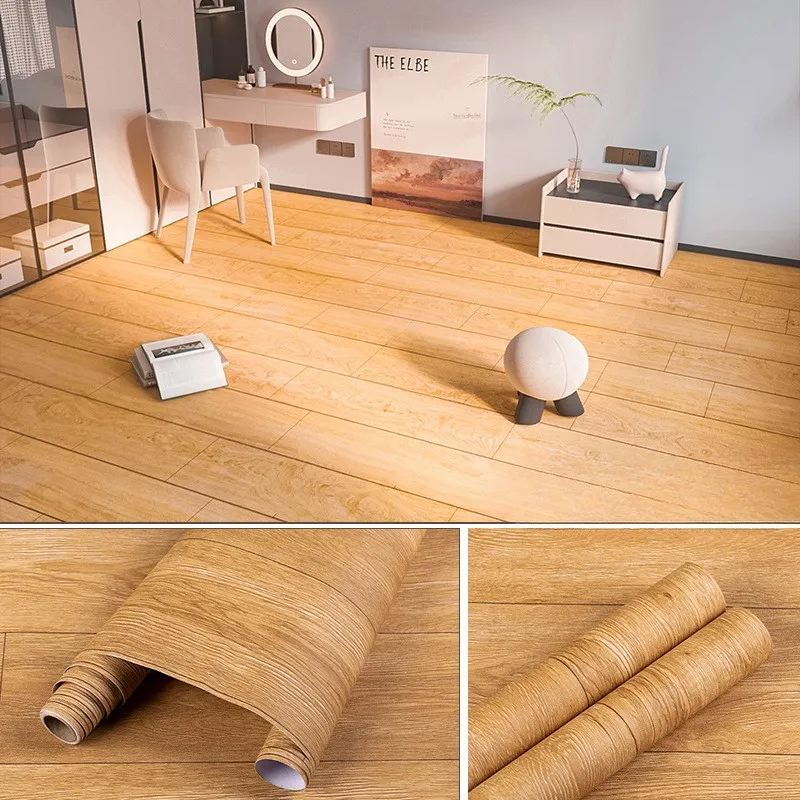
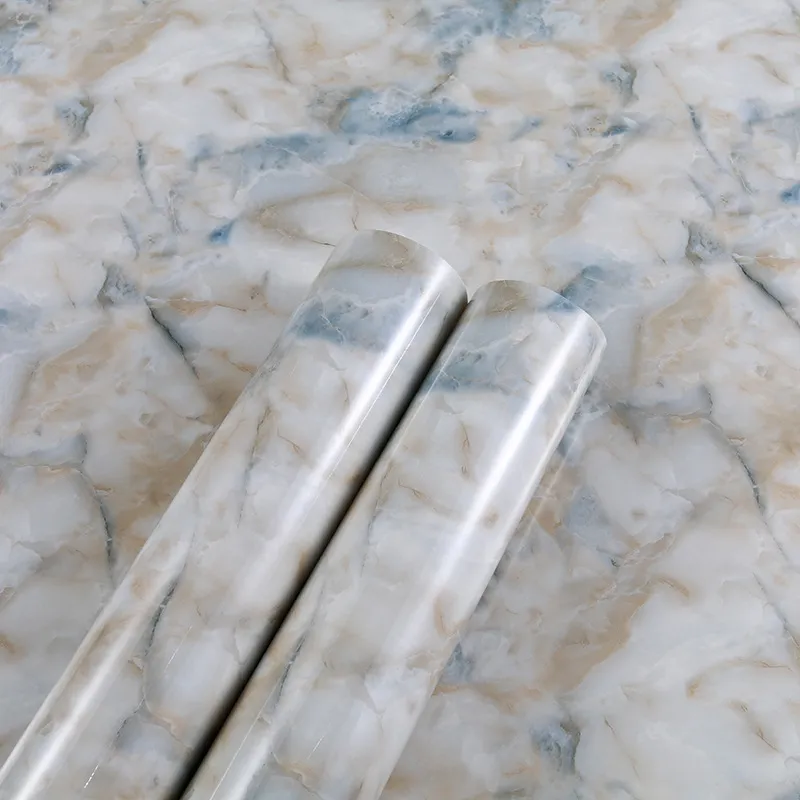
PVC film offers a smooth, printable surface with options ranging from glossy to matte, woodgrain to marble effects. Its stability, water resistance, and ease of lamination make it a top choice for interior décor and protective applications. PVC can be calendered to create single-layer or multi-layer films that accept inks and coatings well, delivering long-lasting printed patterns.
Rotogravure (Gravure): Excellent for high-volume runs and detailed, continuous patterns. Gravure delivers deep ink transfer for rich colors and consistent repeatability.
Flexographic Printing: Fast and cost-effective for medium to large runs. Flexo works well with water-based and solvent inks on PVC films engineered for quick ink drying.
Screen Printing: Best for textured effects, metallics, or specialty inks. Screen printing handles thicker inks and offers tactile finishes for decorative films.
Digital (UV Inkjet): Ideal for short runs, rapid prototyping, and custom designs. UV inks cure instantly and can produce high-resolution images without plates.
Hot Stamping & Foil Printing: Adds metallic accents and reflective details to PVC films for premium effects.
1. Material Selection: Choose calendered PVC film type (transparent, frosted, embossed, or multi-layer composite) based on end-use requirements—water resistance, flexibility, or print fidelity.
2. Pre-treatment: Surface corona or plasma treatment increases ink adhesion. Proper treatment prevents ink flaking and enhances scratch resistance.
3. Color Profiling & Artwork Preparation: Convert designs to the correct color profiles (CMYK or specific spot colors). For gravure or flexo, prepare plates and ensure repeat length matches film width.
4. Printing Pass: Run the selected printing method—gravure for long runs, flexo for volume, screen for texture, or digital for customization. Monitor ink viscosity, drying temperature, and registration.
5. Overprint Coating & Varnish: Apply protective coatings (UV, matte/gloss varnish) or anti-scratch layers to improve wear resistance and maintain visual quality.
6. Embossing or Calendering (Optional): Combine printed patterns with embossing to add depth and realism—common for woodgrain and 3D silk textures.
7. Quality Check & Split Packaging: Inspect color, adhesion, and surface finish. Full rolls can be split and packaged to customer-specified lengths for easier logistics and retail-ready presentation.
| Method | Best For | Resolution & Finish | Cost |
|---|---|---|---|
|
Rotogravure |
High-volume, continuous patterns |
High resolution, smooth gradients |
High setup, low unit cost |
|
Flexographic |
Large runs, fast turnaround |
Good resolution, quick dries |
Moderate setup, competitive units |
|
Digital UV |
Custom, short runs, prototypes |
Very high resolution, instant cure |
Low setup, higher unit cost |
|
Screen |
Special inks, textured finishes |
Medium resolution, tactile effects |
Variable setup, niche pricing |
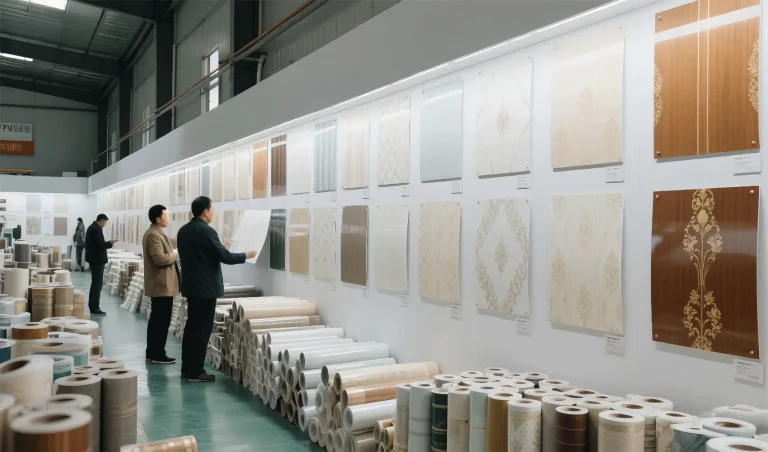
Pulivk maintains full in-house production from calendering to printing and split-packaging, enabling tighter quality control, faster lead times, and predictable color consistency. Multiple QC checkpoints—raw material testing, in-line color checks, and final adhesion tests—ensure printed PVC films meet industry durability standards.
Choose the right base film: Match film type to application (e.g., anti-slip for flooring, anti-oil for kitchens).
Test adhesives and coatings: Run adhesion and abrasion tests after printing and varnishing, especially for high-traffic applications.
Plan for repeat length and pattern matching: Align print repeats with installation patterns to avoid visible seams in final products.
PVC printed films appear in many markets: residential and commercial flooring, wardrobe and furniture wraps, kitchen anti-oil films, bathroom floor stickers, and decorative wall coverings. Trends include greater demand for realistic 3D textures, eco-aware formulations (lower-VOC inks), and digital customization for on-demand production.
For OEM needs, specify required roll width, repeat length, finish (gloss/matte/emboss), and protective coatings. Custom colors and private-label packaging are commonly supported—ensure you request material samples and a print proof when color precision is critical.
Selecting the right printing process and film specification impacts performance and lifecycle cost. Evaluate sample prints under intended lighting and wear conditions, and prioritize suppliers with in-house production control to reduce variability and lead times.