Address
304 North Cardinal St.
Dorchester Center, MA 02124
Work Hours
Monday to Friday: 7AM - 7PM
Weekend: 10AM - 5PM
Address
304 North Cardinal St.
Dorchester Center, MA 02124
Work Hours
Monday to Friday: 7AM - 7PM
Weekend: 10AM - 5PM


 ByPulivk
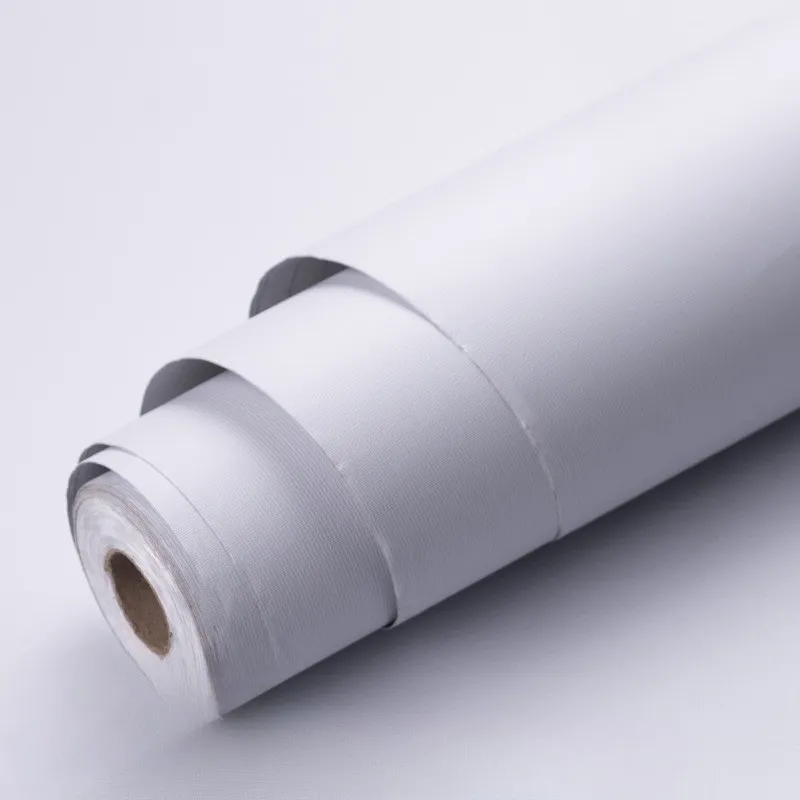
In the world of metal fabrication, construction, and interior design, maintaining the pristine appearance of stainless steel surfaces is paramount. From the moment it leaves the factory to its final installation and during subsequent handling, stainless steel is vulnerable to scratches, abrasions, and contamination. This is where PVC protective film steps in as an indispensable solution. This comprehensive guide delves into the types, uses, and significant benefits of PVC protective film for stainless steel, highlighting why it’s a critical component in modern manufacturing and finishing processes.
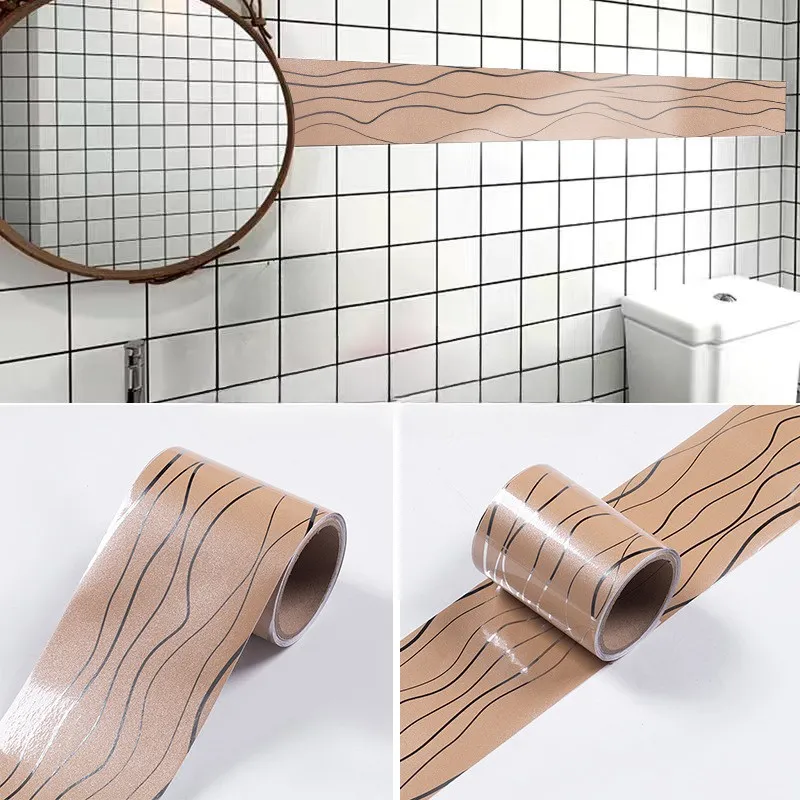
PVC (Polyvinyl Chloride) protective film is a self-adhesive, temporary surface protection material specifically engineered to shield stainless steel sheets, coils, and fabricated parts. It acts as a sacrificial layer during transportation, storage, fabrication (like cutting, bending, or welding), and installation. The primary goal is to preserve the metal’s original finish—whether it’s a mirror polish, brushed satin, or colorful PVD coating—from mechanical damage, dirt, grease, and environmental factors until the final reveal.
→ Adhesive Quality: Features a pressure-sensitive adhesive (PSA) that provides strong yet clean removal, leaving no sticky residue on the stainless steel surface.
→ Clarity & Transparency: High optical clarity allows for easy inspection of the underlying metal for defects without removing the film.
→ Durability: Resists tearing, puncturing, and abrasion during handling and processing.
→ UV Resistance: Certain types are formulated to prevent adhesive degradation or film yellowing when stored outdoors.
The choice of film depends on the stainless steel finish, the intended processing steps, and the required protection period. Manufacturers like Pulivk Film offer a range of specialized options.
This is the most common type, offering excellent visibility. It’s ideal for highly polished, mirror, or brushed finishes where inspecting the surface quality is crucial. It protects against fingerprints, dust, and minor scratches.
Designed for surfaces that are sensitive to adhesive residue or for shorter protection periods. This film is easier to remove and is perfect for delicate finishes or in climates with temperature extremes that can affect adhesive performance.
Used for longer-term outdoor storage or for stainless steel that will undergo rigorous fabrication processes like heavy machining or plasma cutting. It provides superior adhesion to prevent edge lifting from coolant, chips, or debris.
Often used for branding, labeling, or masking during specific fabrication stages. For instance, a blue film might be used on one side while the other side is processed. It can also help in identifying different grades or finishes in a warehouse.
Specially formulated to withstand prolonged exposure to sunlight without degrading, yellowing, or becoming brittle. This is essential for construction projects where materials may be stored on-site for extended periods.
For applications requiring decorative finishes that mimic other materials, such as in furniture or interior cladding where a stainless steel look is desired with added texture, products like 3D texture films or wood grain films can be applied as a permanent decorative layer, not just temporary protection.
The use of PVC protective film spans numerous industries, each with unique demands for stainless steel preservation.
Protects raw coils and sheets during shipping from the mill to the fabricator. It remains during processes like laser cutting, bending, and welding (often removed locally from weld zones) to guard against tool marks and handling damage.
Essential for protecting stainless steel used in elevator interiors, wall cladding, column covers, handrails, and kitchen appliances during building construction. The film is only removed after all other trades have finished, ensuring a flawless, scratch-free reveal to the client. This practice aligns with the high-value placed on pristine finishes in commercial and luxury residential projects globally.
Used in the manufacture of vehicles (trains, ships, automotive trim) and aircraft interiors to protect decorative stainless or brushed aluminum components during assembly and installation.
Protects the visible stainless steel surfaces of refrigerators, ovens, range hoods, and high-end electronics during assembly, packaging, and retail display until purchased by the end-user.
Investing in the right protective film yields substantial returns across the supply chain.
Cost Savings: Prevents the enormous cost of rework, refinishing, or rejecting damaged stainless steel components. The cost of the film is negligible compared to the value of the material it protects.
Enhanced Quality Assurance: Guarantees that the product delivered and installed meets the specified aesthetic standards, reducing customer complaints and bolstering brand reputation for quality.
Improved Efficiency: Allows for safer, less cautious handling during fabrication and installation, potentially speeding up processes without fear of damaging expensive finishes.
Supply Chain Integrity: Maintains product quality through complex logistics, from global export to local distribution. This is a critical factor for suppliers like Pulivk Film, which serve international markets.
Customization & Flexibility: Leading producers offer customized solutions, allowing for specific widths, thicknesses, adhesion levels, and print designs to meet exact project requirements, much like their OEM services for decorative films.
Consider the stainless steel finish (polish, brush, coating), the duration of protection, the environmental conditions (indoor, outdoor, temperature), and the subsequent processing steps. Consulting with a technical specialist from your film supplier is always recommended.
Ensure the stainless steel surface is clean, dry, and free of oils before application. Apply at recommended temperatures (usually above 15°C/59°F). Remove the film slowly and evenly at a 180-degree angle. For long-term applications, remove the film within the manufacturer’s specified time to avoid adhesive aging.
Quality films are designed for clean removal. However, residue can occur if the film is left on beyond its recommended service life, exposed to extreme heat/UV light, or if applied to an improperly cleaned surface. Using the correct film type for the protection period is crucial.
This varies by product. Standard films may be rated for 6-12 months. Anti-UV, heavy-duty films can often protect for 12-24 months outdoors. Always check the manufacturer’s specifications. It is generally advised to remove the film as soon as protection is no longer needed.
Most are safe for standard finishes. However, for very delicate or special coatings (e.g., certain PVD colors), a low-tack or specifically tested film should be used. Always conduct a small test patch if unsure.
No, the film must be removed from the immediate area before welding, as the heat will melt the PVC and adhesive, causing contamination and potentially damaging the weld and the surrounding finish.
Yes, many manufacturers, including industry leaders, provide full customization. This includes slitting to custom widths, varying roll lengths, and even printing logos, handling instructions, or color codes directly on the film to aid in inventory and workflow management.