Address
304 North Cardinal St.
Dorchester Center, MA 02124
Work Hours
Monday to Friday: 7AM - 7PM
Weekend: 10AM - 5PM
Address
304 North Cardinal St.
Dorchester Center, MA 02124
Work Hours
Monday to Friday: 7AM - 7PM
Weekend: 10AM - 5PM


 ByPulivk
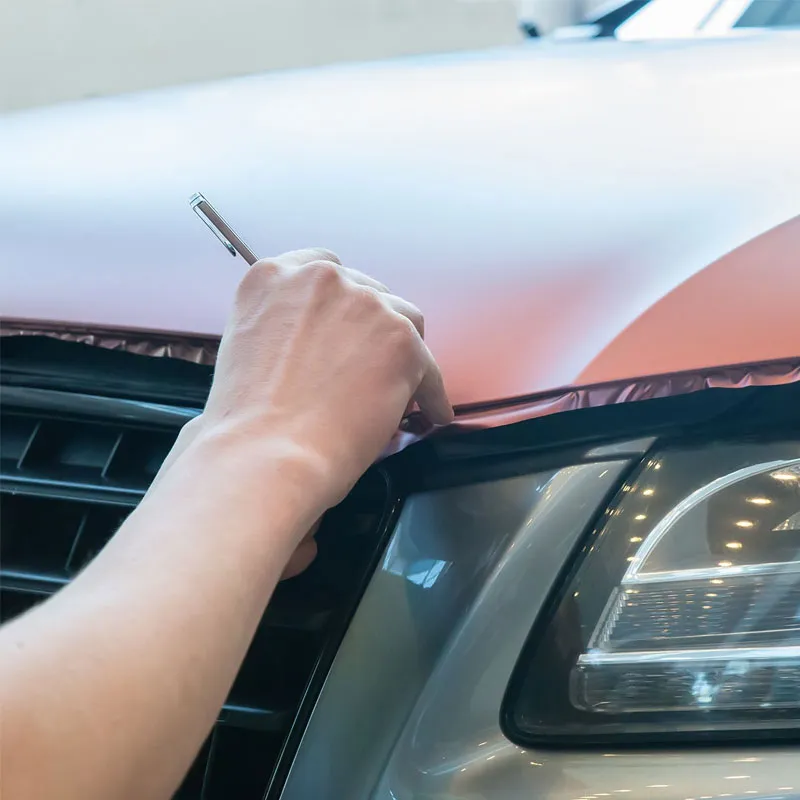
The right car window tint film can transform your driving experience—reducing glare, protecting interiors, improving privacy, and giving your vehicle a polished look. This guide breaks down what car window tint film is, the main types available, practical benefits, installation and maintenance tips, legal considerations, and how to choose the best film for your needs.
Car window tint film is a thin laminate film applied to vehicle glass that modifies the amount of visible light and heat passing through. Films differ by material, construction, and performance: dyed, metalized, ceramic, and hybrid films are the most common. Each type offers a different balance of privacy, UV protection, and optical clarity.
Most modern tint films include layers such as an adhesive, a polyester carrier, performance layers (metal or ceramic particles), and a protective topcoat. These layers determine durability, scratch resistance, and heat-rejection capability.
Tint film can block up to 70–90% of solar heat depending on the type, keeping cabin temperatures lower and reducing air-conditioning load.
High-quality films often block more than 99% of harmful UV-A and UV-B rays, protecting upholstery, vinyl, and dashboard surfaces from fading and cracking.
Tint cuts glare from sun and headlights, improving driver comfort and reducing eye strain—especially on long drives or bright days.
Tint improves privacy for passengers and belongings, while available finishes—from deep charcoal to near-invisible ceramic—let you match function with style.
Choosing the right type depends on your priorities: heat rejection, clarity, cost, or signal compatibility (metalized films can interfere with signals). Below is a quick look at the main categories.
| Type | Key benefits | Typical cost |
|---|---|---|
| Dyed film | Affordable, good glare reduction, improved privacy | Low |
| Metalized film | Durable, excellent heat rejection, reflective finish | Medium |
| Ceramic film | Best heat and UV rejection, non-conductive, high clarity | High |
| Hybrid film | Mix of dye + metal for balance of cost and performance | Medium |
When comparing films, focus on:
For daily commuters, ceramic or hybrid films offer the best balance of comfort and clarity without compromising electronic signals.
High-end ceramic tints deliver premium heat rejection and near-neutral appearance that complements upscale finishes.
Durable, cost-effective metalized or hybrid films are often chosen for fleets to improve driver comfort and protect cargo or interior equipment.
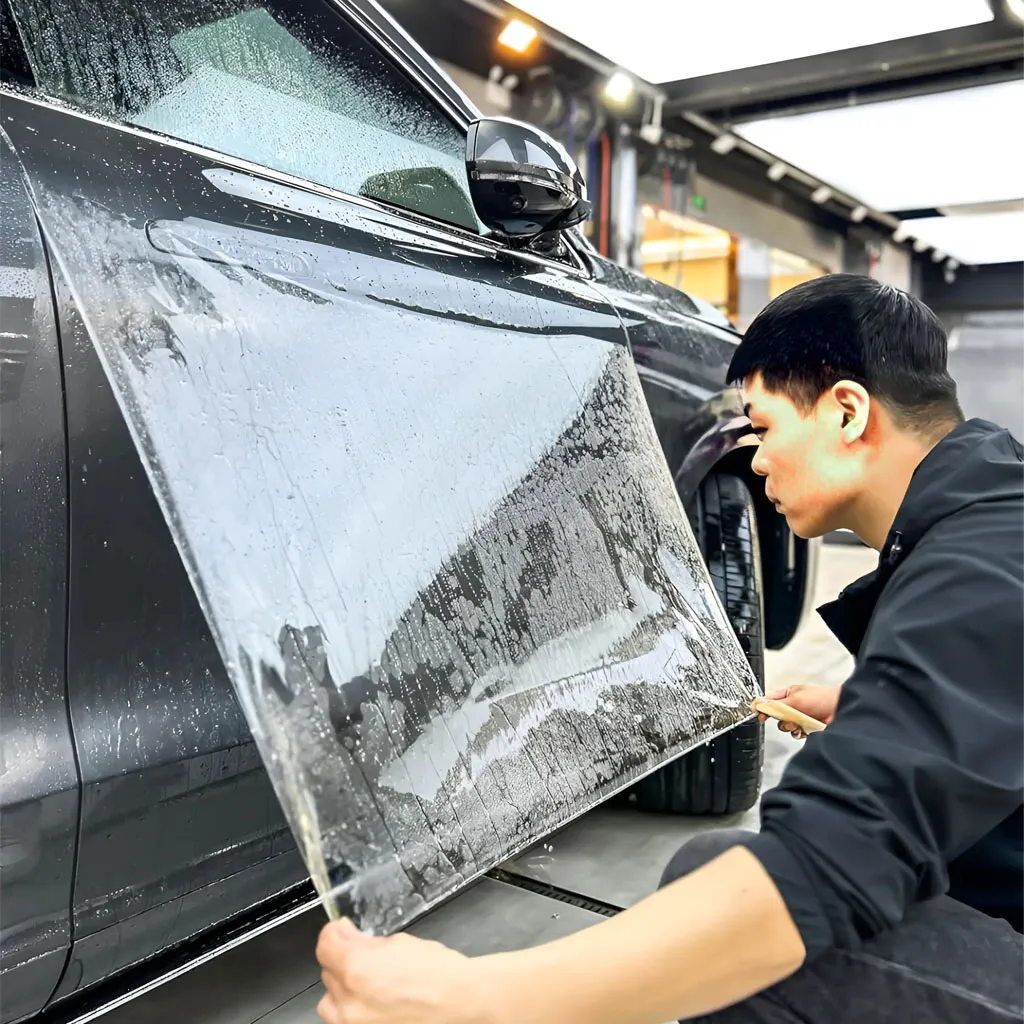
Professional installation is recommended to avoid bubbles, creases, or poor edge sealing. Properly installed quality film can last 5–15 years depending on material, sun exposure, and care. Maintenance tips:
Window tint laws vary by region and usually regulate VLT percentages for front side, rear side, and windshield. Always check local regulations before purchase and installation to ensure compliance and avoid fines. From a safety perspective, choose films with shatter-resistant properties to help hold broken glass together during collisions.
Start by prioritizing what matters most: heat rejection, visibility, cost, or aesthetics. If you use many in-car devices (GPS, toll transponders, satellite radio), prefer non-metalized solutions like ceramic to avoid signal interference. Request performance datasheets and warranty details from suppliers and installers.
High-quality manufacturers control production steps like calendering, coating, and split-packaging to keep specifications consistent. Pulivk offers integrated production capabilities that improve lead times and quality control for film products.
If you want the easiest choice:
Always pair a reliable professional installation with a film that includes a clear warranty and performance specs. That combination yields the best long-term results—cooler cabin, protected interiors, and safer, more comfortable driving.