Address
304 North Cardinal St.
Dorchester Center, MA 02124
Work Hours
Monday to Friday: 7AM - 7PM
Weekend: 10AM - 5PM
Address
304 North Cardinal St.
Dorchester Center, MA 02124
Work Hours
Monday to Friday: 7AM - 7PM
Weekend: 10AM - 5PM


 ByPulivk
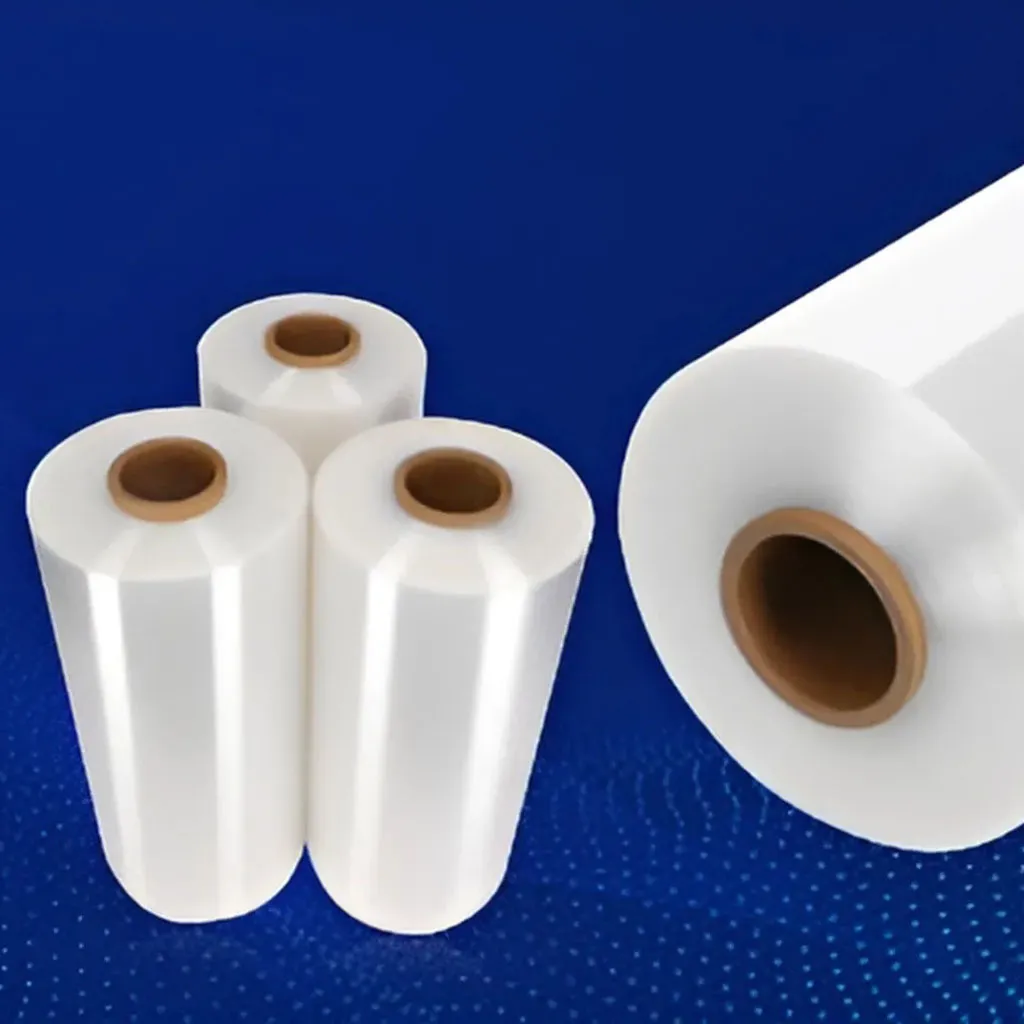
High barrier nylon film is a specialized polymeric film designed to provide superior protection against oxygen, moisture, and aroma migration. Widely used in food, pharmaceutical, and industrial packaging, this film extends shelf life and preserves product quality while offering good heat-sealability and mechanical strength.
Nylon film, often referred to as PA (polyamide), becomes a “high barrier” material when combined with additional layers or coatings such as EVOH, metallization, or specialized coatings that dramatically reduce gas and vapor transmission rates. These multilayer constructions deliver excellent oxygen and moisture barriers while keeping the flexibility and puncture resistance of nylon.
Typical high barrier nylon films are multilayer laminates including: an outer protective layer (printable or metallized), one or more barrier layers (EVOH, PVDC, or metal), and a nylon structural layer that provides toughness and puncture resistance. The nylon layer also enhances seam integrity for pouches and vacuum packs.
The following characteristics make high barrier nylon film a preferred choice for demanding packaging applications:
| Property | High Barrier Nylon Film | Standard PET/CPP |
|---|---|---|
| Oxygen Barrier (OTR) | Very Low | Moderate |
| Moisture Barrier (WVTR) | Low | Higher |
| Puncture Resistance | High | Lower |
| Thermal Stability | Good (retort/form-stable options) | Varies |
High barrier nylon film is versatile across industries. Common applications include:
For brands focused on quality and shelf life, high barrier nylon film offers tangible benefits:
Multilayer films can be challenging to recycle in mixed-material waste streams. However, manufacturers are exploring mono-material high barrier solutions or recyclable barrier coatings to balance performance with environmental goals. When selecting a film, consider end-of-life options and local recycling infrastructure.
When choosing a film, evaluate:
In markets with warm, humid climates, such as Southeast Asia and the Middle East, prioritize moisture barrier and puncture resistance. For European brands emphasizing sustainability, explore recyclable barrier technologies or films with lower overall material weight to reduce carbon footprint.
Q: Can high barrier nylon film be used for vacuum packaging?
A: Yes — nylon’s toughness and low gas permeability make it ideal for vacuum packs.
Q: Is it suitable for hot-fill or retort processes?
A: Many high barrier nylon laminates are formulated to withstand retort temperatures; verify specific product ratings.
For customized high barrier film solutions and full in-house production capabilities, Pulivk (Henan Pulivk New Materials Co., Ltd.) offers calendering, printing, and split-packaging lines to ensure quality control, flexible OEM options, and reliable lead times. Visit https://pvcfilmtec.com/ for more details.