Address
304 North Cardinal St.
Dorchester Center, MA 02124
Work Hours
Monday to Friday: 7AM - 7PM
Weekend: 10AM - 5PM
Address
304 North Cardinal St.
Dorchester Center, MA 02124
Work Hours
Monday to Friday: 7AM - 7PM
Weekend: 10AM - 5PM


 ByPulivk
PVC window film is a versatile, durable plastic film applied to glass and window frames to improve privacy, control sunlight, enhance insulation, and refresh the look of residential or commercial spaces. This guide covers what PVC window film is, how it works, its key benefits, and practical applications for homeowners, contractors, and designers.
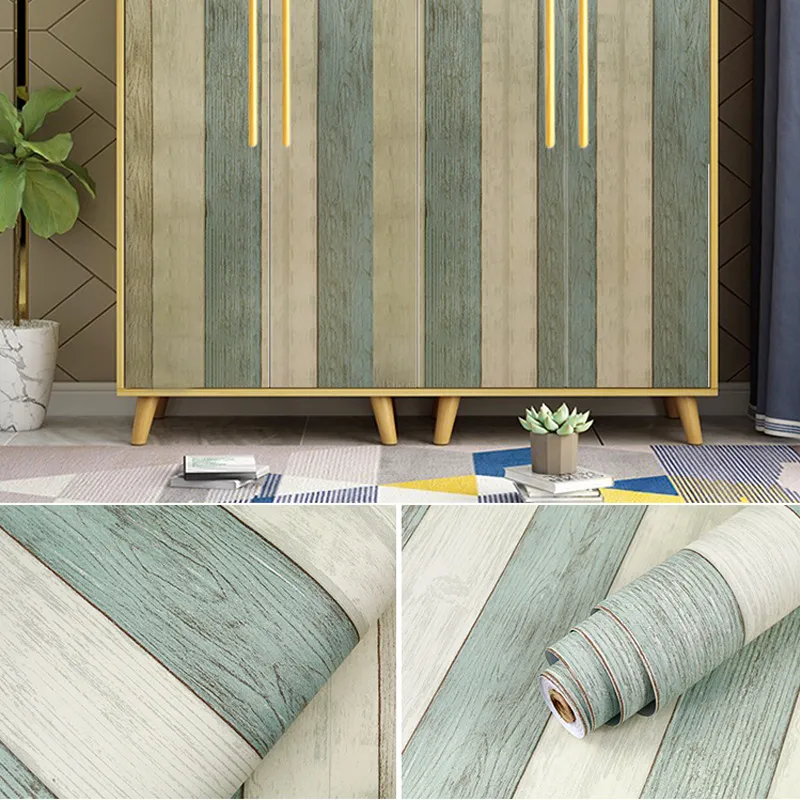
PVC window film is a thin layer of polyvinyl chloride (PVC) manufactured to adhere to glass surfaces. Available in clear, frosted, patterned, and printed designs, these films can be self-adhesive or require a pressure-sensitive installation. Modern PVC films often include UV inhibitors, scratch-resistant coatings, and textured finishes to mimic wood, marble, or etched glass.
PVC window films come in multiple constructions and finishes to suit different needs:
Installation is typically quick: the film is cut to size, adhesive is activated with a water or slip solution (for repositioning), and a squeegee removes bubbles during application. The film either bonds permanently to the glass or remains removable depending on adhesive type. Many films incorporate a UV-stable layer that blocks sunlight-caused fading and reduces heat transfer.
PVC window film delivers multiple benefits across residential, commercial, and industrial settings. Key advantages include:
Compared to window replacement or heavy glazing treatments, PVC window film is lightweight, less disruptive to retrofit, and often reversible—making it an ideal choice for landlords, retail fit-outs, and homeowners seeking fast aesthetic improvements.
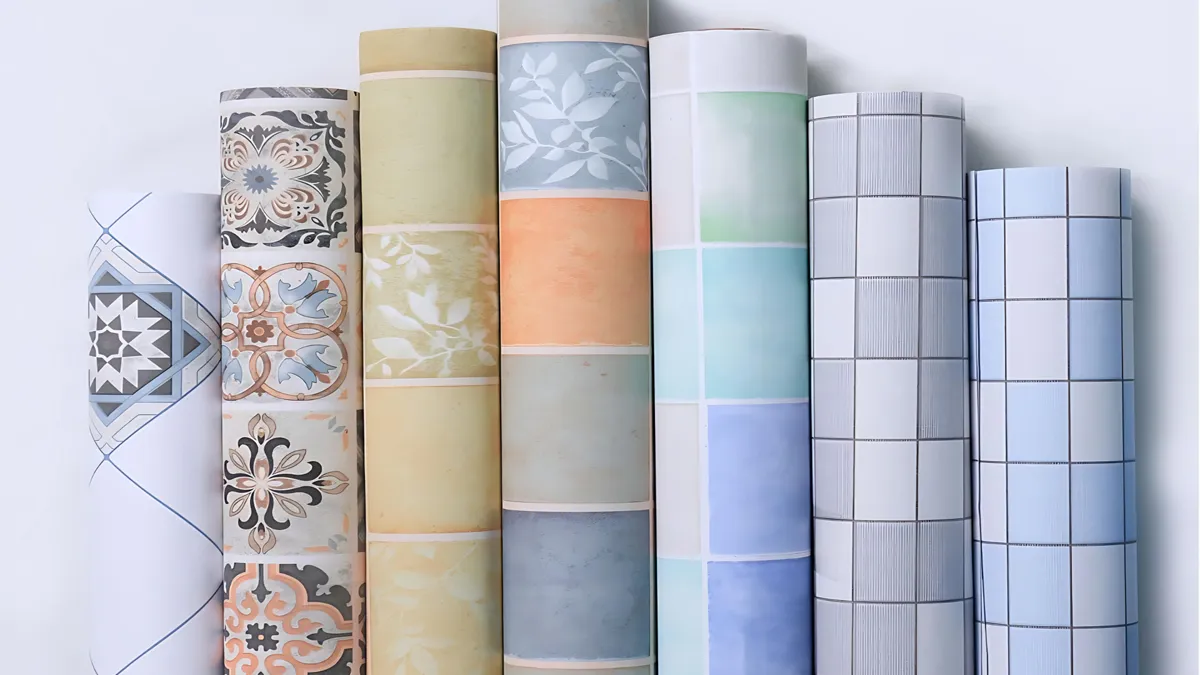
PVC window film is widely used across many contexts. Typical applications include:
In hot climates where solar gain is a concern, solar-control PVC films are popular to reduce air-conditioning loads. In temperate or cold regions, insulating multi-layer films help retain heat and lower heating costs. Urban apartments and offices often use frosted or patterned films to gain privacy without losing daylight.
When choosing PVC window film, consider these performance metrics. The table below summarizes typical ranges:
| Property | Typical Range | Why It Matters |
|---|---|---|
| Visible light transmission (VLT) | 5% – 90% | Controls daylight vs. privacy balance |
| UV rejection | Up to 99% | Protects interiors from fading |
| Solar heat reduction | 10% – 70%+ (varies by film) | Reduces cooling energy and glare |
| Thickness | 30µm – 200µm | Affects durability and protection level |
| Adhesive type | Permanent / removable / repositionable | Determines ease of installation & removal |
For best results:
Do not apply film to cracked or flawed glass, and avoid using solvent-based cleaners right after installation. If in doubt, consult a professional installer for large or complex glazing systems.
Match product features to your goals: prioritize solar-control films for energy efficiency, decorative films for branding and interior design, and protective films for construction or renovation sites. Consider warranty, UV stability, and ease of replacement when selecting a supplier.
Many PVC films now include UV stabilizers and low-emission adhesives. While PVC is not virgin-free, selecting durable films that extend the life of existing windows reduces waste compared with full window replacement. For projects requiring flame-retardant or antibacterial surfaces, choose films tested to relevant safety standards.
For reliable supply and OEM customization, consider manufacturers with full in-house production—from calendering to printing and split-packaging—to ensure consistent quality and lead times. Pulivk offers full production capabilities and flexible OEM options to support commercial and private-label projects.
Q: Can PVC film be removed without damaging glass?
A: Yes—removable adhesive films peel off cleanly if recommended removal procedures are followed.
Q: Will film reduce natural light?
A: Some films lower visible light transmission to improve privacy or reduce glare; select higher VLT films when maintaining brightness is essential.
PVC window film is a cost-effective, flexible solution for improving energy performance, privacy, and aesthetics. Whether retrofitting an apartment, branding a storefront, or protecting surfaces during renovation, choosing the right film type and installer ensures long-lasting results.