Address
304 North Cardinal St.
Dorchester Center, MA 02124
Work Hours
Monday to Friday: 7AM - 7PM
Weekend: 10AM - 5PM
Address
304 North Cardinal St.
Dorchester Center, MA 02124
Work Hours
Monday to Friday: 7AM - 7PM
Weekend: 10AM - 5PM


 ByPulivk
Solar backsheet film is the thin polymer layer bonded to the rear side of a photovoltaic module that protects cells and internal components from weather, mechanical stress, and electrical faults. Choosing the right backsheet material is crucial for module lifetime, performance, and safety.
The solar backsheet film is the outermost protective layer on the back of a solar panel. It serves as the first line of defense against moisture ingress, UV exposure, abrasion, and electrical insulation failures. Backsheets are typically multi-layer laminates engineered for durability, electrical safety, and thermal stability.
Main roles:
Backsheets are either single-material films or multi-layer laminates (e.g., acrylic or polymer outer layers laminated to a PET core with outer protective skins). The most widely used constructions include PET-based laminates and fluoropolymer-sandwiched systems.
| Material | Abbreviation | Durability | UV & Weather Resistance | Cost | Typical Use |
|---|---|---|---|---|---|
| Polyethylene Terephthalate | PET | 10–25 years (with coatings) | Good mechanical, moderate UV (needs coatings) | Low–Medium | Common core layer in laminates |
| Polyvinyl Fluoride (Tedlar) | PVF | 25+ years | Excellent UV & chemical resistance | High | TPT (Tedlar-PET-Tedlar) premium backsheets |
| Polyvinylidene Fluoride | PVDF | 20+ years | Very good UV & chemical resistance | High | High-end laminates and coatings |
| Thermoplastic Polyolefin | TPO / PO | 15–25 years | Good UV, flexible | Medium | Non-fluorinated alternative, cost-effective |
Manufacturing methods include calendering, extrusion coating, co-extrusion, and lamination. Multilayer laminates are formed under heat and pressure, often with adhesives or tie layers to bond chemically different polymers. Printing and split-packaging are common downstream operations for labeling and logistics.
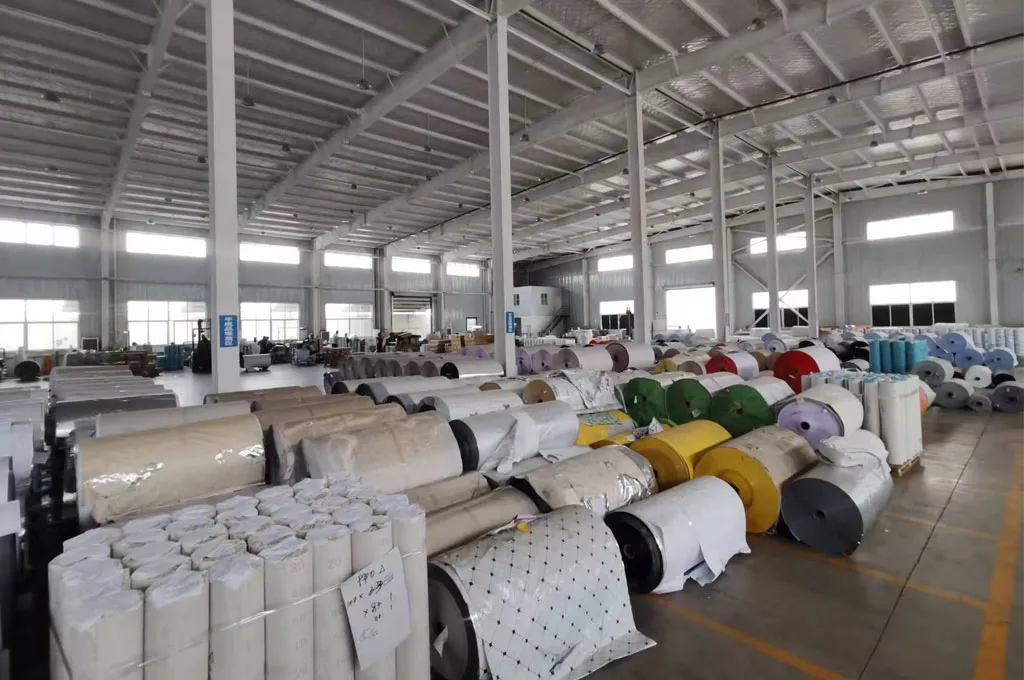
Look for suppliers with in-house calendering, printing, and split-packaging lines for better quality control and lead-time stability. These capabilities reduce variability and speed up delivery.
Reliable backsheets pass module-level tests such as IEC 61215 and IEC 61730. Important accelerated tests include:
Typical field lifetimes vary by material and construction: carefully engineered fluoropolymer laminates often meet 25+ years, while basic PET-based backsheets may show earlier yellowing or cracking in harsh climates.
Consider these selection criteria:
Checklist:
Verify UV rating, moisture permeation (WVTR), dielectric strength, and accelerated test results before procurement.
Fluorinated polymers offer exceptional durability but can complicate recycling. Manufacturers and project owners increasingly consider non-fluorinated alternatives (TPO/PO) for easier recycling and lower environmental persistence. Ensure compliance with local regulations for waste and recycling streams.
For long-term, high-performance installations in harsh climates, choose multilayer fluoropolymer laminates (e.g., TPT / Kynar-faced backsheets). For cost-sensitive projects where recyclability is a priority, high-quality TPO or engineered PET laminates can be appropriate when validated by accelerated testing.
Pulivk offers full in-house production capabilities—calendering, printing, and split-packaging—allowing reliable quality control and flexible OEM services for customized film and backsheet solutions. Visit https://pvcfilmtec.com/ for contact and product details.