Address
304 North Cardinal St.
Dorchester Center, MA 02124
Work Hours
Monday to Friday: 7AM - 7PM
Weekend: 10AM - 5PM
Address
304 North Cardinal St.
Dorchester Center, MA 02124
Work Hours
Monday to Friday: 7AM - 7PM
Weekend: 10AM - 5PM


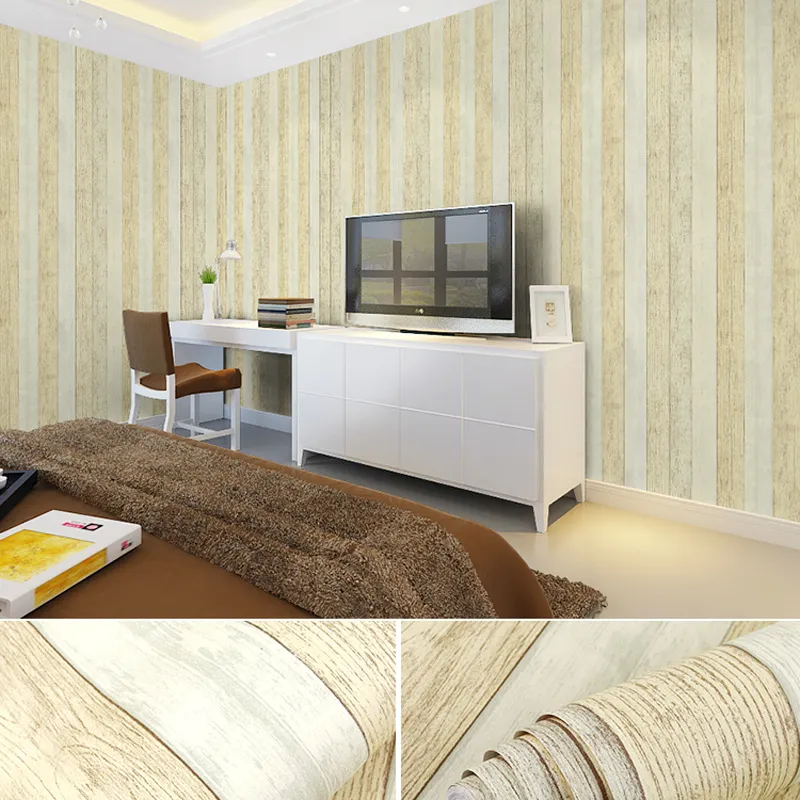
Door makers in Bolivia face unique challenges: highland sun and UV exposure in La Paz and the Altiplano, humid conditions in Amazonian regions, and growing demand for modern, cost-effective finishes in Cochabamba and Santa Cruz. Choosing the right PVC film can improve durability, speed up production, and meet local aesthetic preferences—from woodgrain fronts for traditional homes to glossy modern styles for urban apartments.
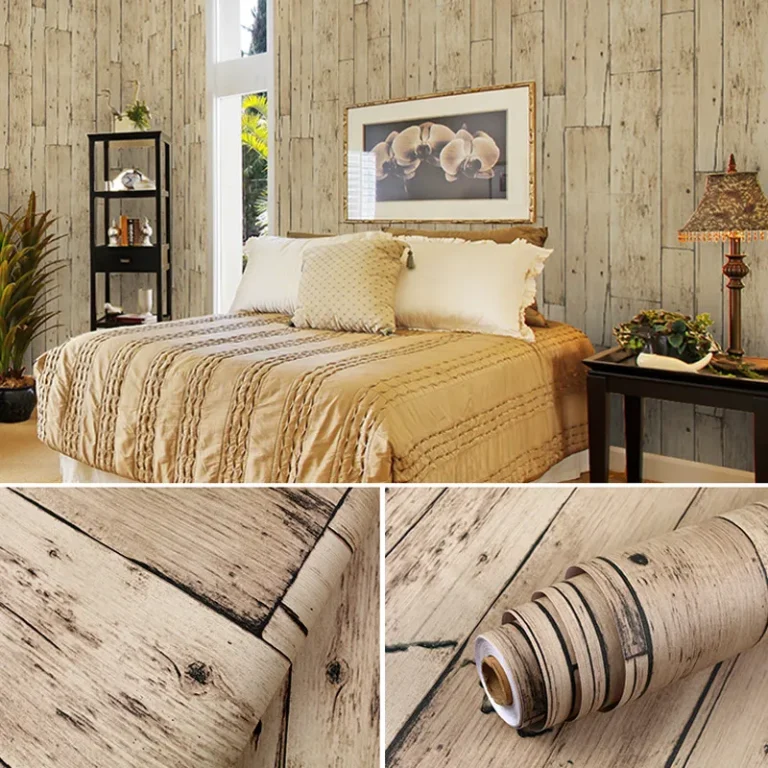
Why it works: Wood-grain calendered film replicates natural timber at a fraction of the cost and maintenance. Ideal for entry doors and interior panels where the market in Bolivia values warm, natural looks without the long-term upkeep of real wood.
Recommended specs: 120–300 µm (0.12–0.30 mm), good UV stabilizers, medium flexibility for thermoforming. Best applied with solvent-based or hot-melt adhesives on MDF and HDF.
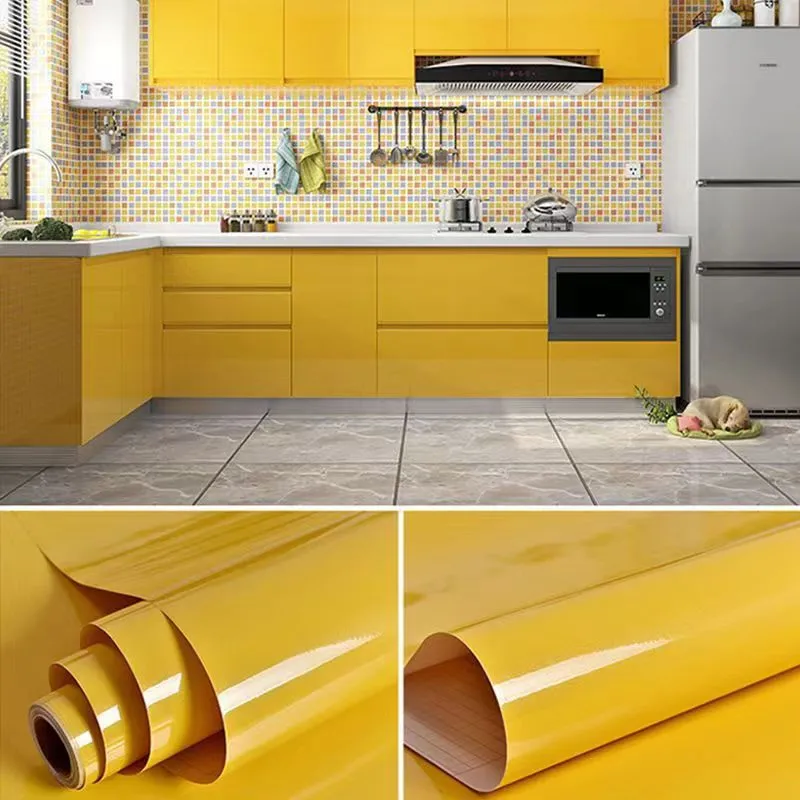
Why it works: High-gloss surfaces are popular for modern kitchens and sleek apartment doors in Bolivia’s urban centers. They reflect light, making small corridors and hallways look larger—an advantage in city housing.
Recommended specs: 80–200 µm; excellent scratch resistance coatings and anti-yellowing additives are desirable to withstand strong sunlight at high altitudes.
Matte or silk-texture films hide fingerprints and scratches better than high-gloss surfaces, making them practical for frequently used interior doors in schools, offices, and families with children.
This option gives premium visual impact at lower cost than real stone—suitable for upscale projects and commercial doors where clients want a distinctive look without heavy material costs.
For high-traffic doors (hotels, hostels, public buildings), choose films with enhanced abrasion resistance and 3D textures. These films help maintain appearance longer under frequent contact and cleaning.
Useful for temporary protection during transport or for renovation projects. Removable films reduce on-site damage risks and are helpful where doors are stored or shipped across varied Bolivian terrains.
| Film Type | Typical Thickness | Best For | Local Advantage |
|---|---|---|---|
| Wood-grain Calendered | 0.12–0.30 mm | Interior/Exterior doors | Cost-effective wood look; low-maintenance |
| Glossy Film | 0.08–0.20 mm | Modern doors, cabinet fronts | Urban aesthetics; brightens interiors |
| Matte / Silk | 0.10–0.25 mm | High-contact interior doors | Hides scratches and fingerprints |
| Marble / Stone Effect | 0.12–0.35 mm | Luxury finishes, commercial doors | Premium look with lower weight and cost |
| Anti-Scratch / 3D | 0.15–0.40 mm | Hotels, public facilities | Durability in heavy-use settings |
Thicker films (≥0.20 mm) add durability and better hide substrate imperfections but increase cost. For exterior doors exposed to UV and temperature swings, select films with UV stabilizers and a protective lacquer. Use adhesives rated for local humidity—hot-melt adhesives or solvent-based adhesives often perform best on MDF/HDF doors; self-adhesive films need a PE liner and high-tack acrylic adhesives.
Surface prep is essential: ensure panels are dry, clean, and free of dust or grease. In high-humidity regions, acclimatize film and panels indoors before lamination to avoid bubbles. When thermoforming curved edges, control temperature and tension to prevent delamination. For outdoor doors and altiplano locations, add edge-sealing tape to prevent moisture ingress.
Store rolls horizontally in cool, shaded places and avoid prolonged exposure to direct sun. For long distances or shipments across regions in Bolivia, use split-packaging and individual wrapping to prevent dust and mechanical damage.
Many local manufacturers balance price with performance. Wood-grain and matte films typically offer the best value for residential projects, while anti-scratch and marble-effect films suit higher-margin or commercial applications. Request samples and small production runs to test adhesion and appearance under your specific local conditions.
Henan Pulivk New Materials Co., Ltd. (Pulivk) provides in-house calendering, printing and split-packaging—allowing flexible OEM options, consistent quality control and reliable lead times for door manufacturers seeking custom sizes, colors and finishes.
1. Confirm film thickness and UV additives for your region.
2. Verify adhesive compatibility with your substrate (MDF/HDF/metal).
3. Order samples and perform weathering and adhesion tests.
4. Choose split-packaging for local logistics and safe storage.
If you need tailored film specs for Bolivian door applications—from humidity-resistant woodgrain to glossy modern finishes—test small batches first and prioritize films with UV protection and anti-scratch coatings for long-lasting results.