Address
304 North Cardinal St.
Dorchester Center, MA 02124
Work Hours
Monday to Friday: 7AM - 7PM
Weekend: 10AM - 5PM
Address
304 North Cardinal St.
Dorchester Center, MA 02124
Work Hours
Monday to Friday: 7AM - 7PM
Weekend: 10AM - 5PM


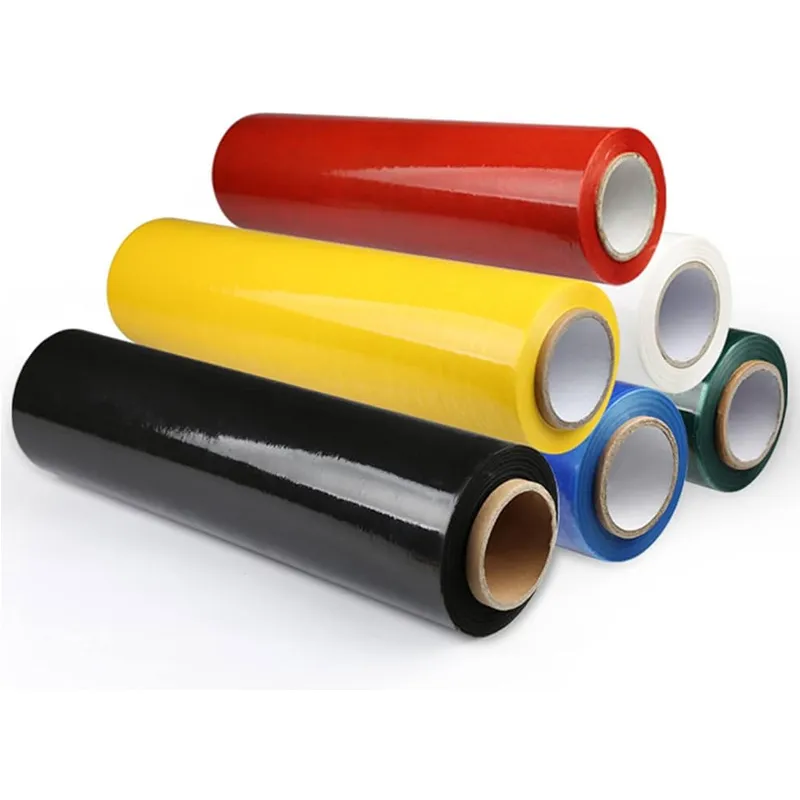
Choosing the best air duct film manufacturer for projects in Kazakhstan means balancing product performance, supply reliability, and local climate needs. Contractors, HVAC suppliers, and renovation companies across Almaty, Nur-Sultan, and regional hubs require films that withstand sub-zero winters, dusty steppe conditions, and the indoor air quality expectations of modern buildings.
Kazakhstan’s continental climate brings temperature swings and heavy dust exposure in some regions. Air duct films for protection, insulation wrapping, or temporary coverage must deliver consistent adhesion at low temperatures, resist static and dust accumulation, and avoid off-gassing that could harm indoor air. Specifying the correct film reduces rework, protects mechanical systems during construction, and helps meet local safety and building code expectations.
Thickness & strength: Thicker calendered PVC films resist tears during installation and maintenance. Low-temperature adhesion: Adhesives should perform in winter site conditions typical of Kazakhstan. Flame retardance & low VOC: For indoor duct work, prioritize materials with recognized flame retardant properties and low volatile organic compound emissions for occupant safety.
Air duct projects often use a mix of clear protective films, anti-static films, and laminated barrier films. Clear films are used during transport and installation to prevent scratches; anti-static films reduce dust attraction; laminated or multi-layer films act as moisture and vapor barriers for HVAC insulation wraps.

| Film Type | Best For | Key Benefit |
|---|---|---|
| Clear protective film | Transport & installation protection | Scratch resistance and visibility |
| Anti-static film | Clean rooms & dusty regions | Reduces dust attraction |
| Multi-layer barrier film | Insulation wrap & vapor barrier | Moisture control and thermal stability |
| Self-adhesive film | Quick onsite application | Fast installation, reliable hold |
When sourcing air duct film, Kazakhstan buyers often value: reliable lead times (to coordinate with seasonal installation windows), suppliers who support OEM and custom widths for different duct sizes, and manufacturers with full in-house production that can control quality from raw material to finished roll. Local importers and distributors also prefer partners experienced with international shipping and documentation to keep customs and delivery predictable.
Request technical data sheets that show tensile strength, peel values at low temperature, flame retardant classifications, and VOC test results. Ask for split-packaging or pre-cut rolls to simplify onsite handling across Kazakhstan’s large job sites. For long-term projects, verify stock levels and shipping lead times to avoid winter delays.
Air duct films are used by HVAC installers in commercial buildings, mechanical contractors in industrial plants, renovation teams working on residential complexes, and manufacturers requiring protective wrapping during assembly and transit. Films that resist abrasion and static are especially valuable in regions with heavy dust or construction activity.
For buyers seeking a reliable international partner with full in-house production capabilities—covering calendering, printing, and split-packaging—consider Pulivk (https://pvcfilmtec.com/) for custom sizing, steady lead times, and multiple quality checkpoints.
Confirm film compatibility with local standards (including GOST where applicable), test a small sample on-site during winter conditions, verify packaging and roll lengths for efficient installation, and ensure the supplier can provide consistent batches across your project timeline.
With the right specification and a partner who understands climate-driven performance needs, Kazakhstan projects can secure air duct films that protect systems through transport, installation, and years of service—reducing rework and improving long-term HVAC reliability.