Address
304 North Cardinal St.
Dorchester Center, MA 02124
Work Hours
Monday to Friday: 7AM - 7PM
Weekend: 10AM - 5PM
Address
304 North Cardinal St.
Dorchester Center, MA 02124
Work Hours
Monday to Friday: 7AM - 7PM
Weekend: 10AM - 5PM


 ByPulivk
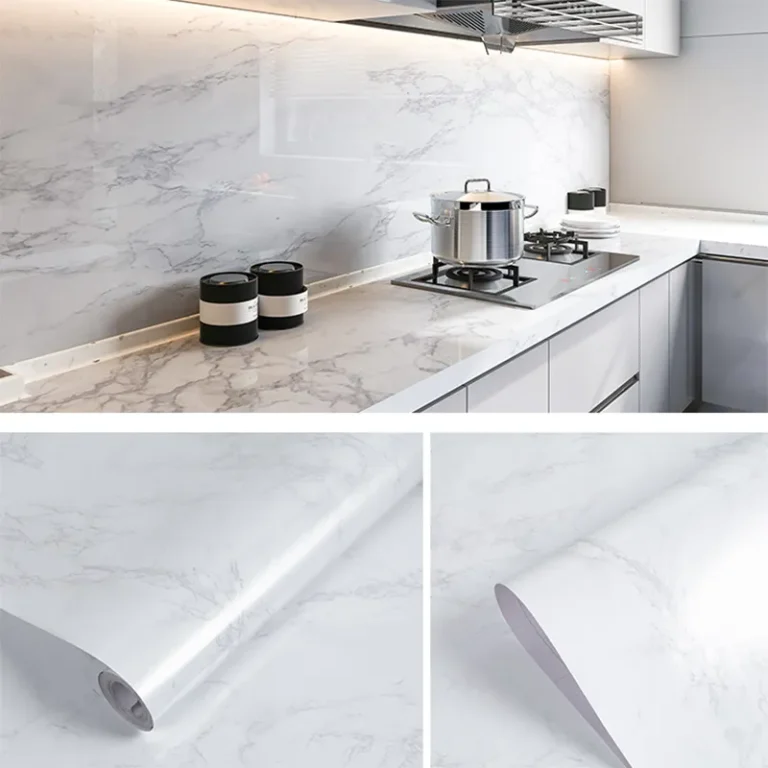
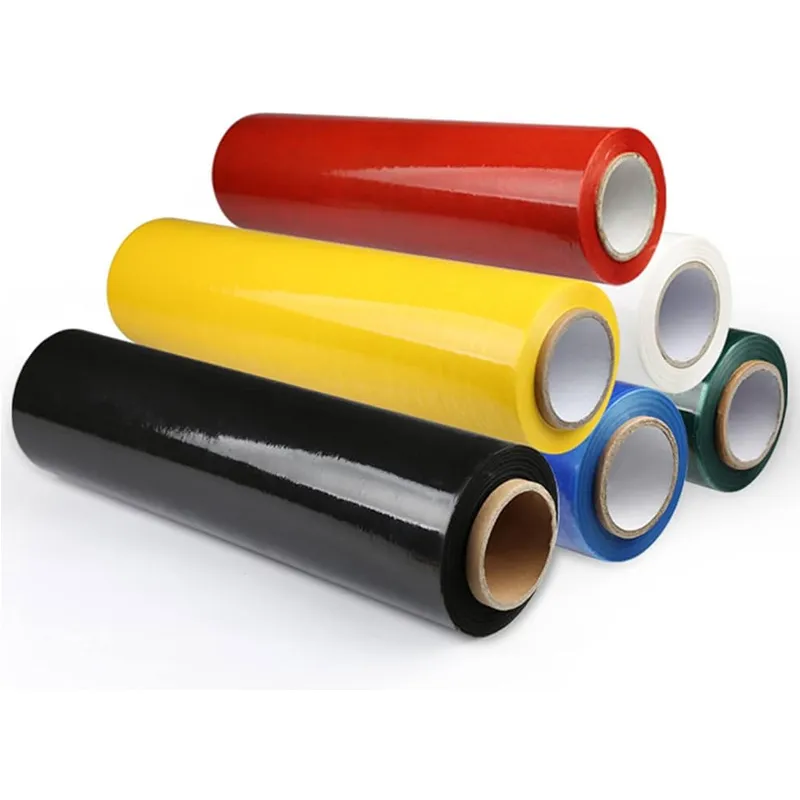
PVC film is widely used for furniture wraps, flooring, skirting boards, and protective covers — but scratches can spoil the finish and shorten product life. Understanding why PVC film gets scratched, how to prevent damage during production, transport, and installation, and what to do when scratches appear will help brands and end-users maintain attractive, long-lasting surfaces.
Scratches are usually the result of mechanical abrasion, chemical attack, or improper production and handling. Below are the most frequent sources of surface damage:
– Inadequate surface treatment or uneven coating during calendaring and lamination.
– Low-quality additives or fillers that reduce surface hardness.
– Uncontrolled tension or edge defects during winding that create micro-abrasions.
– Dust, grit, or foreign particles trapped between layers or rolls.
– Rough pallets, exposed edges, or loose packing that rub against the film.
– Heavy stacking or sharp contact points during shipping.
– Tools, knives, or abrasive tapes used incorrectly during trimming.
– Sliding heavy furniture over films or adhesive residues attracting grit.
– Heat or friction from rollers and applicators used at improper temperatures.
– UV degradation, thermal expansion, or brittle aging that make surfaces more prone to scratching.
– Harsh solvents or abrasive cleaners that remove protective coatings.
Prevention starts at the factory and continues through packing, shipping, installation, and daily use. Follow these targeted steps:
| Cause | Common Scenario | Severity | Typical Fix |
|---|---|---|---|
| Fine surface abrasions | Dust trapped in packaging | Low to medium | Polish or mild buffing |
| Cut or gouge | Sharp tool slip during installation | High | Patch or replace section |
| Chemical etching | Use of solvents or strong cleaners | Medium to high | Recoat or replace |
For light abrasions and scuffs, try a gentle polishing approach: clean the area with a soft, lint-free cloth and a mild detergent solution, rinse, and dry. Small scratches can often be reduced by buffing with a fine, non-abrasive polish designed for plastics. Always test on an inconspicuous area first.
When the film is cut or deeply gouged, patching or replacement is usually required. Patch options include overlapping a thin matching film piece and sealing the edges with a compatible adhesive. For visible surfaces or structural applications, full-panel replacement is the most reliable solution.
If a solvent or harsh cleaner has etched the surface, damage may be permanent. Recoating or replacing the affected film is often necessary. Preventive labeling and guidelines for allowed cleaning agents help avoid recurrence.
Simple routine care extends life and appearance:
Implementing multiple QC checkpoints — from raw material inspection to final packing — reduces defects and surface imperfections. Investing in better anti-scratch coatings and tighter dust controls pays off in fewer customer complaints and warranties.
Confirm packaging standards, request split-packaging if necessary, and train installers in safe handling. Ask suppliers about surface hardness ratings, protective layers, and available anti-scratch finishes before ordering.
When purchasing, look for specifications such as increased surface hardness, wear resistance testing, UV stabilization, and protective topcoats. Request samples to perform real-world abrasion tests relevant to your application.
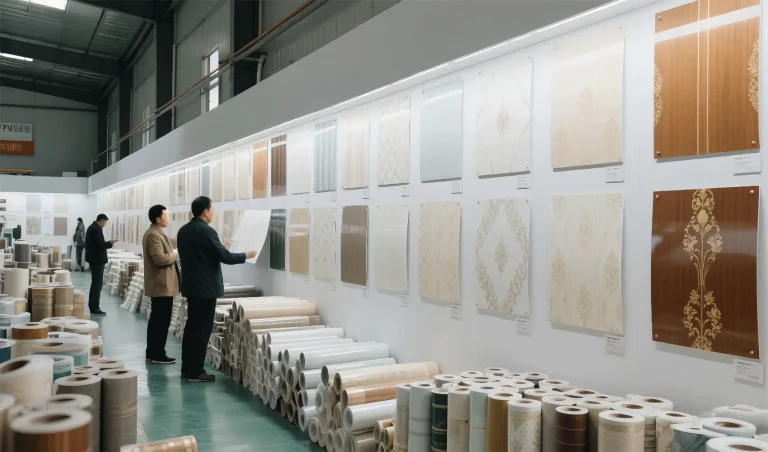
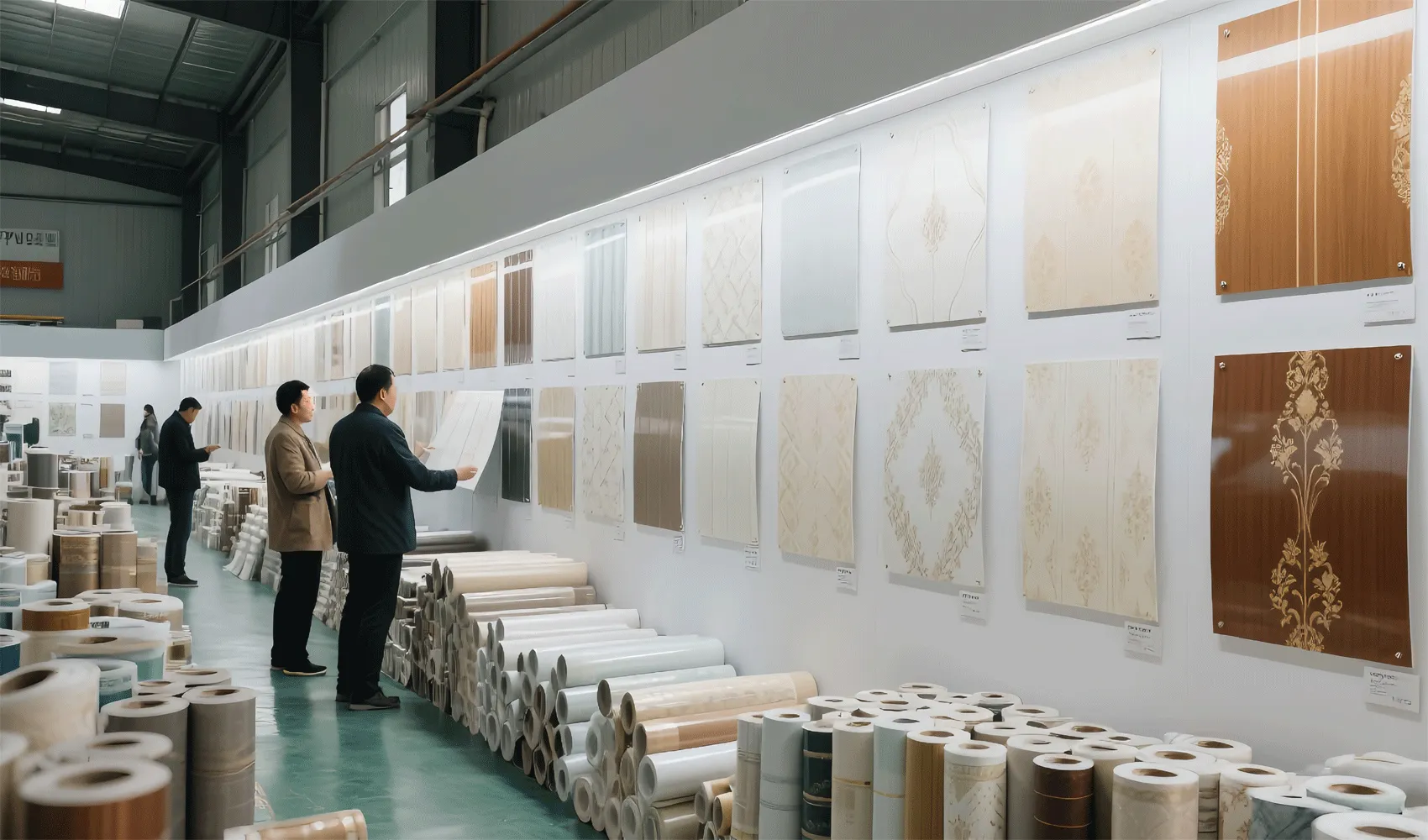
Pulivk — https://pvcfilmtec.com/ provides full in-house production and strict QC across calendaring, printing, and packaging lines to help reduce abrasion issues at source and supply tailored, scratch-resistant film options.