The Ultimate Guide to Wood Grain Film: What It Is and Why It’s a Smart Business Choice

The Ultimate Guide to Wood Grain Film: What It Is and Why It's a Smart Business Choice

In today’s fast-paced design and manufacturing world, businesses have to balance three big priorities: great looks, long-term durability, and tight budgets. While natural wood has long been the gold standard for style and warmth, it’s expensive, inconsistent, and sensitive to the environment. That’s where Wood Grain Film comes in—a smart, reliable alternative that checks all the boxes. This guide breaks down what it is, how it works, and why it gives engineers, product designers, and professional buyers a real competitive edge

What is Wood Grain Film? More Than Just a Decorative Surface

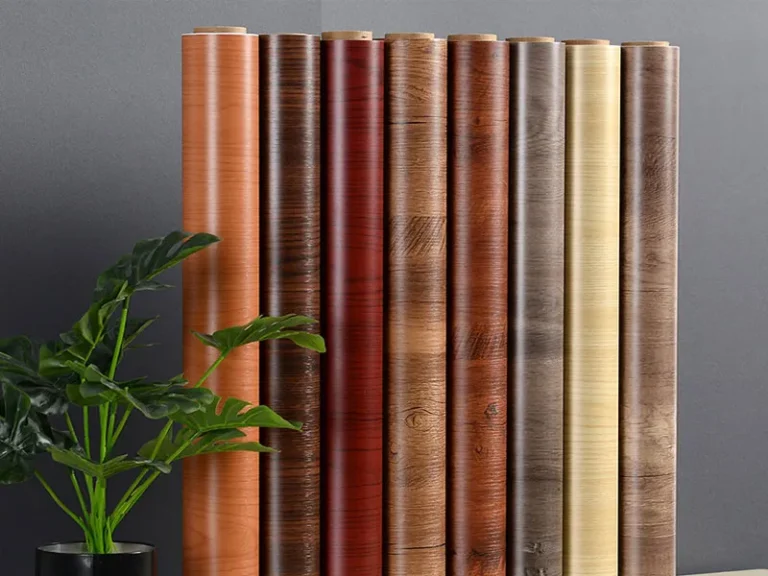
At its core, Wood Grain Film is a high-performance vinyl or polymer laminate designed to look and feel like real wood. It’s not just a sticker—it’s a multi-layered material built for durability and style. Often called “peel-and-stick” or “decorative surface films,” it’s made to go on surfaces like MDF, metal, plastic, or particleboard to add both protection and a wood-like finish.

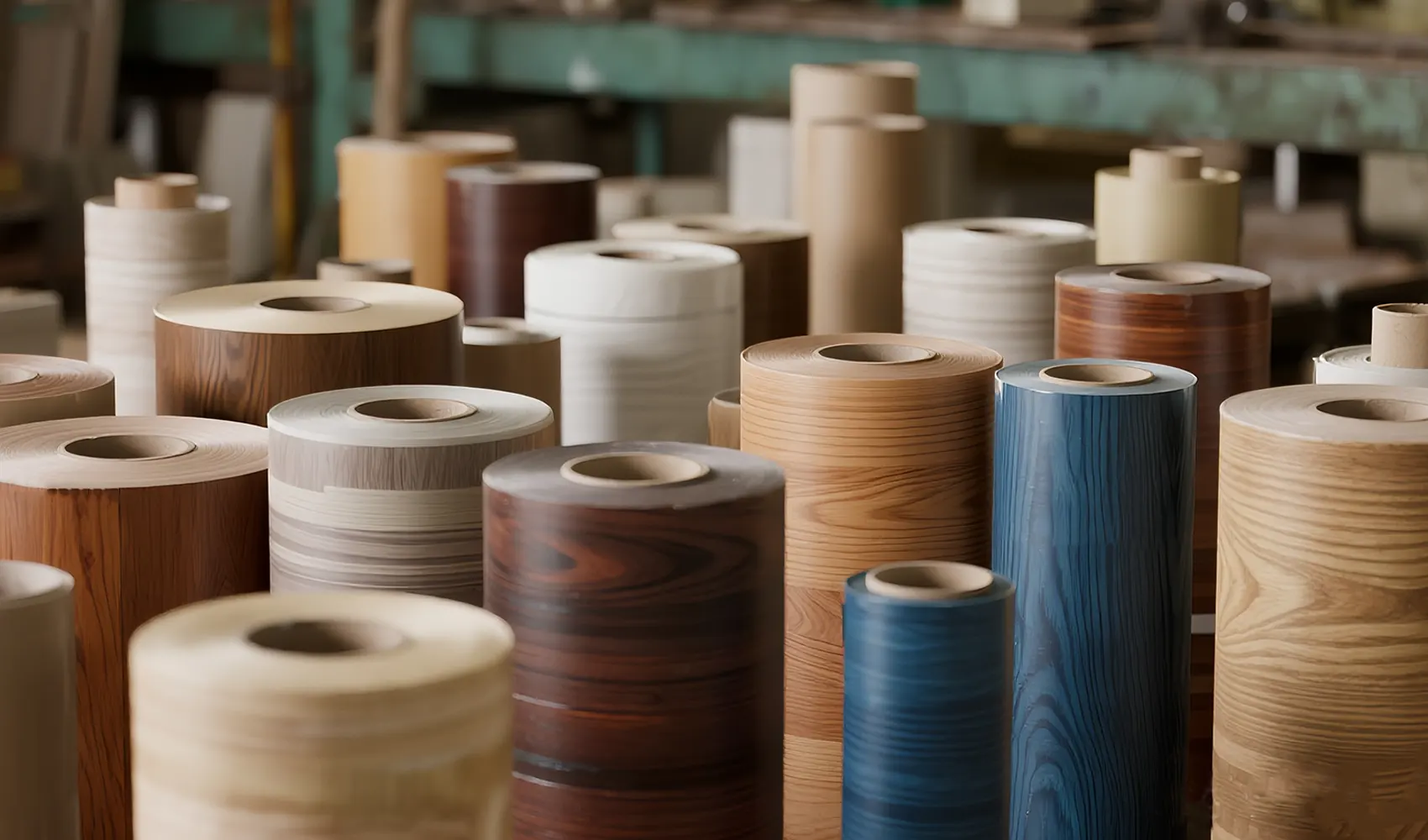
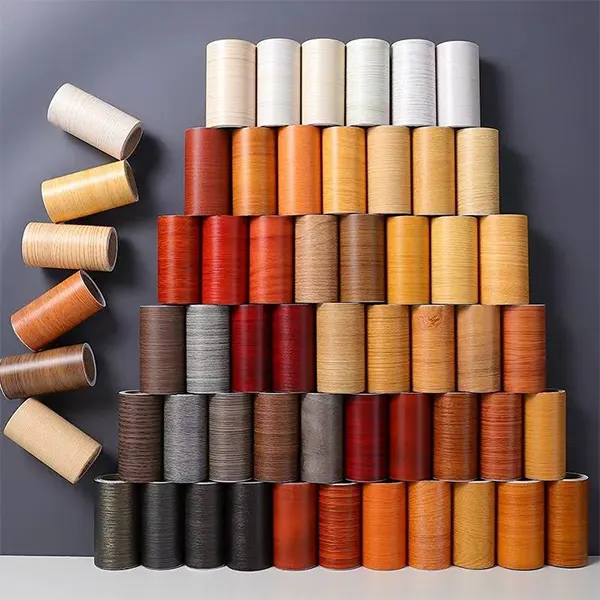
Wood Grain Film makes it easy to replicate everything from classic Oak and Walnut to exotic Rosewood and Teak—offering the rich look of real wood with consistent quality that natural materials just can’t match. It’s a smart, cost-effective choice across furniture, architecture, automotive interiors, and electronics.

Wood grain films are not merely a cost-saving measure; they are a strategic design tool. They empower manufacturers to achieve complex aesthetic goals with superior performance characteristics, such as enhanced durability and moisture resistance, that are often difficult or expensive to obtain with natural wood

The Science Behind the Film: A Look at Key Materials

The performance, application, and cost of a wood grain film are largely determined by its base material. While there are many specialized polymers, the market is dominated by two primary types: PVC and PET, with “Vinyl” often used as an overarching term. Understanding their distinct properties is crucial for any purchaser.

PVC (Polyvinyl Chloride)

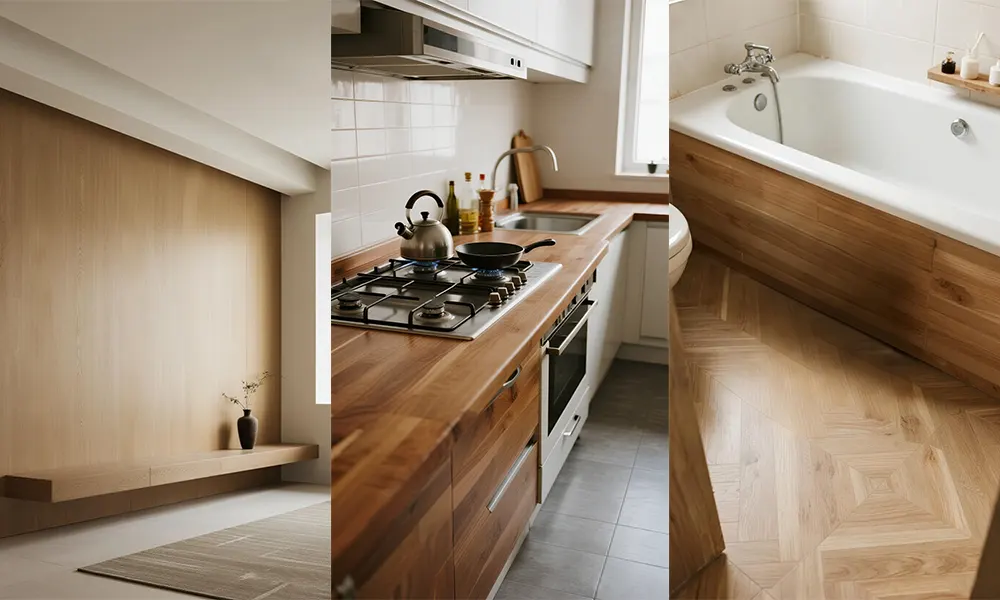
PVC is hands down the most versatile material used for Wood Grain Film. Its flexibility makes it perfect for 3D applications like membrane vacuum pressing—where the film wraps smoothly over curves and contours on cabinet doors or detailed furniture parts. It’s tough, moisture-resistant, and a go-to choice for kitchens, bathrooms, and wall panels.

PET (Polyethylene Terephthalate)

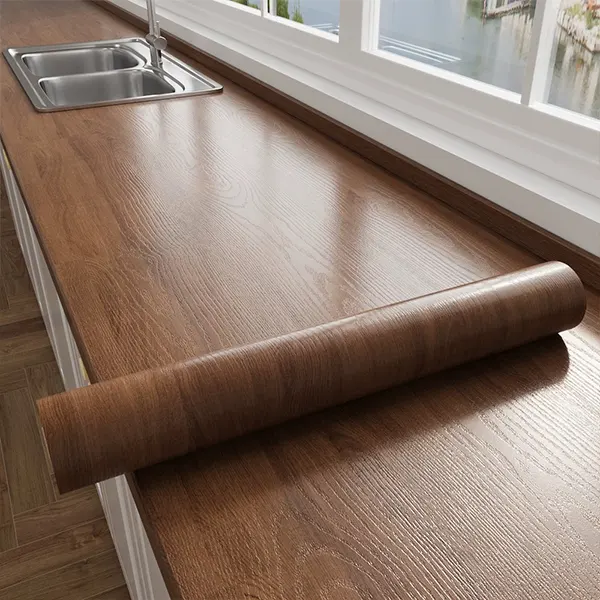
PET is a tough, high-performance polyester known for its strength and rigidity. Wood Grain Films made with PET offer better scratch and heat resistance than most PVC options, making them ideal for flat surfaces like countertops, tabletops, and commercial panels. PET is also seen as a greener choice—it’s more recyclable and free of PVC’s chlorides. The trade-off? It’s less flexible, so it’s not great for wrapping curves or complex shapes.

PET (Polyethylene Terephthalate)​
Vinyl film

Vinyl

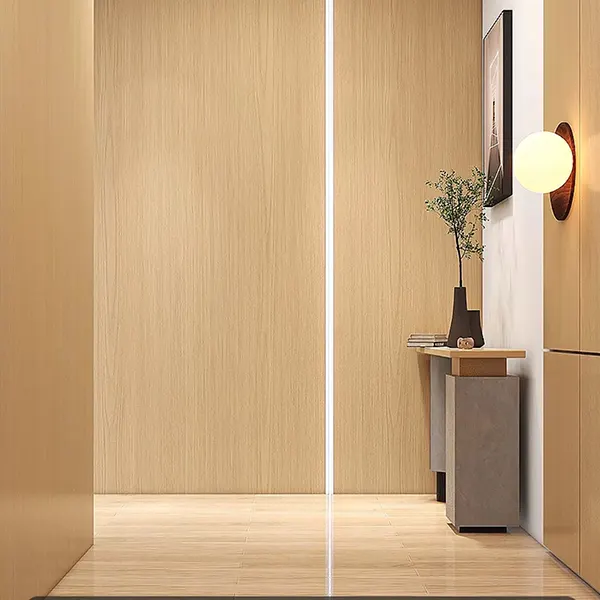
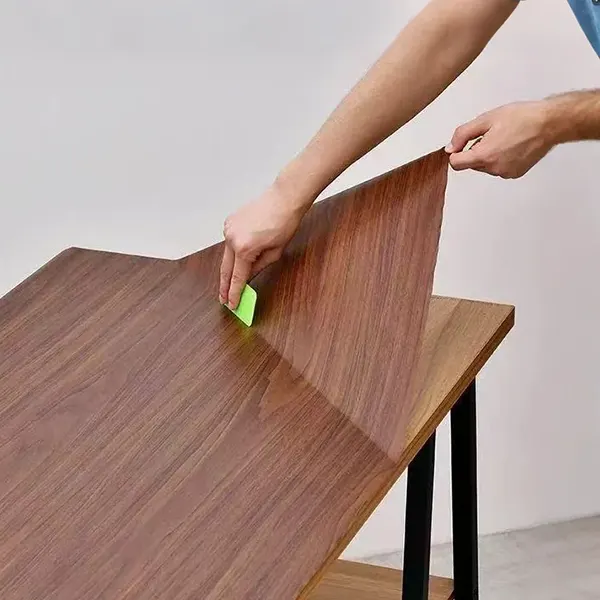
“Vinyl film” is often used to mean PVC film, since PVC is a type of vinyl. More broadly, though, it can refer to any film made from vinyl polymers. When it comes to Wood Grain Film, the term usually points to self-adhesive options—like 3M™ DI-NOC™—that come with a built-in adhesive backing. These are ideal for interior upgrades, architectural renovations, and DIY projects where easy, on-site installation is a must.

To clarify these differences, here is a comparative overview:

PropertyPVC (Polyvinyl Chloride) FilmPET (Polyethylene Terephthalate) FilmSelf-Adhesive Vinyl Film
Flexibility / FormabilityExcellent (High Malleability)Low (Rigid)Varies, but generally good
Primary Application3D Vacuum Pressing, Wrapping2D Flat LaminationOn-site surface finishing, renovation
Scratch ResistanceGood (⭐⭐⭐)Excellent (⭐⭐⭐⭐)Good to Excellent (depends on topcoat)
Common Use CasesFurniture, Cabinet Doors, Wall PanelsCountertops, Flooring, High-Durability PanelsArchitectural surfaces, Automotive trim, Retail fixtures
Environmental ProfileStandardMore easily recyclable, often PVC-freeVaries by manufacturer

Core Benefits: Why Businesses are Switching to Wood Grain Film

The rapid rise of Wood Grain Film across industries isn’t just a trend—it’s a strategic move that directly boosts product quality and the bottom line. Here’s why more manufacturers are making the switch:

1.Serious Cost Savings

Solid wood and real veneers are expensive and labor-heavy. With Wood Grain Film, you can use affordable substrates like MDF or particleboard and still deliver a high-end wood look—cutting material and labor costs while boosting profit margins on large-scale runs.

2.Unlimited Design Options

Forget the limits of sourcing real wood. Wood Grain Film opens the door to a wide range of finishes—from light Birch and rustic Pine to rich Walnut and exotic Burlwood. You get full control over grain styles and colors without managing complex timber inventory.

3.Unlimited Design Options

Forget the limits of sourcing real wood. Wood Grain Film opens the door to a wide range of finishes—from light Birch and rustic Pine to rich Walnut and exotic Burlwood. You get full control over grain styles and colors without managing complex timber inventory.

PVC Durability That Performs

4.Durability That Performs

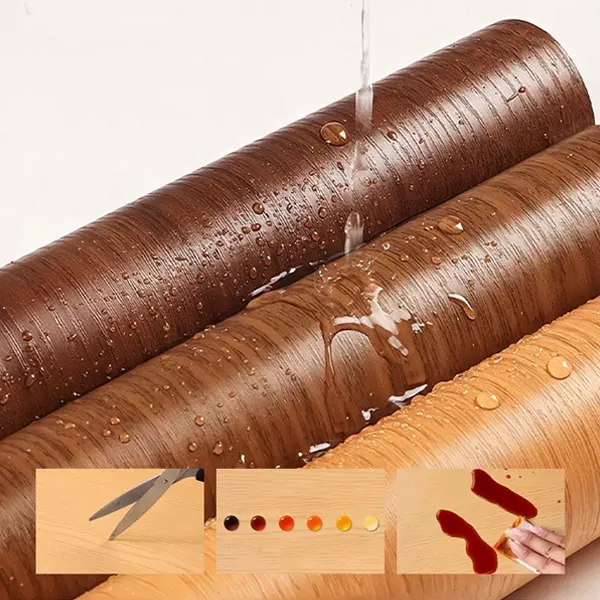
Modern films are built tough, with scratch-resistant, moisture-proof, and UV-stable coatings. They’re even strong enough to handle harsh chemical cleaners, making them a great fit for kitchens, bathrooms, and commercial spaces.

PVC Consistent Results, Every Time

5.Consistent Results, Every Time

Unlike real wood, which varies in grain and color, Wood Grain Film delivers exact pattern and color uniformity across every panel. That kind of consistency is key for quality control in mass production.

6.Faster, Easier Application
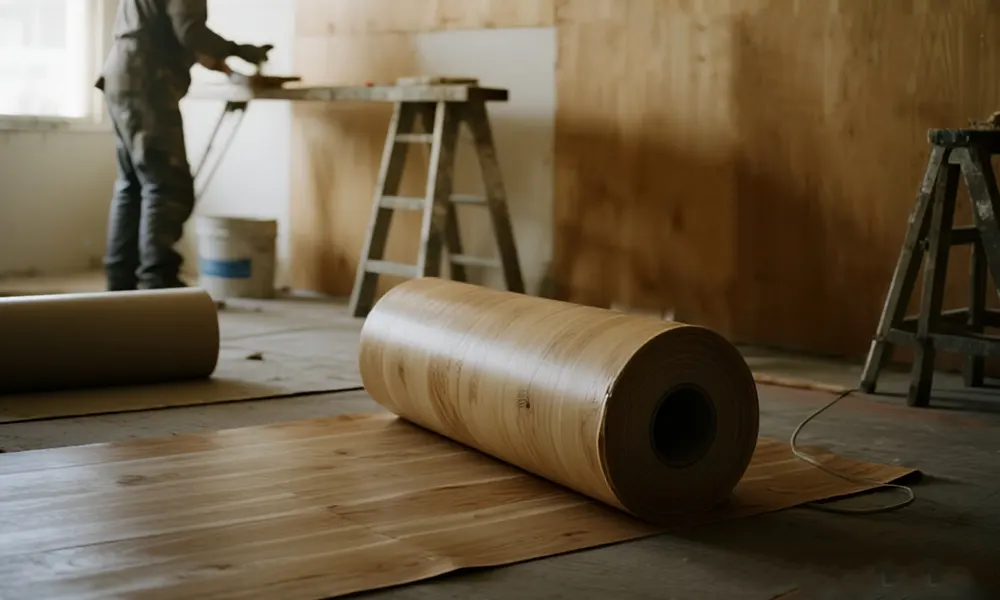
Time is money. Whether applied on automated lamination lines or on-site with peel-and-stick products, Wood Grain Film installs way faster than traditional sanding, staining, and sealing. Less labor, less downtime—more efficiency.

A Glimpse into the Manufacturing Process

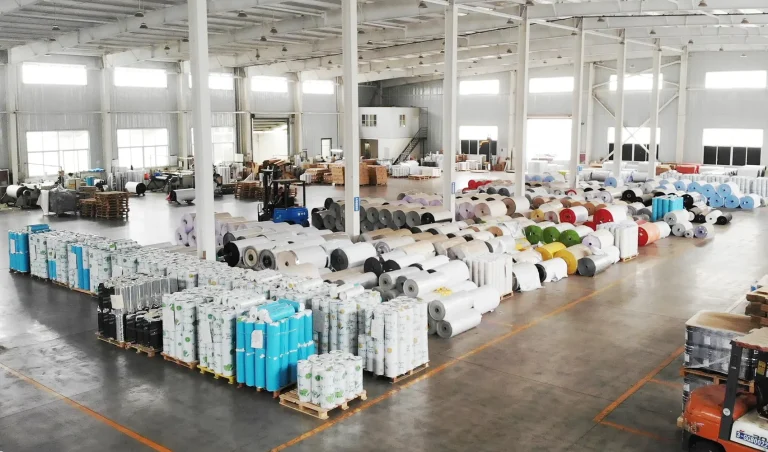
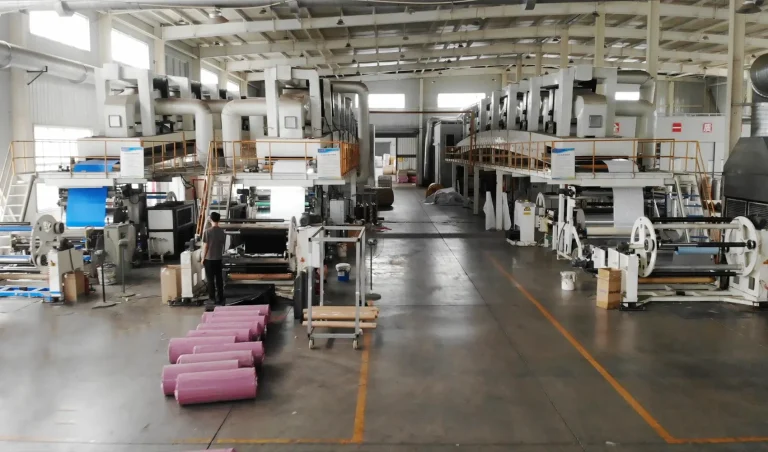
Understanding how Wood Grain Film is made gives you a better appreciation of its quality and complexity. While methods vary, the process usually includes these key steps, turning a simple polymer sheet into a high-end decorative surface:

A Glimpse into the Manufacturing Process

Conclusion: The Strategic Advantage of Wood Grain Film

In short, Wood Grain Film isn’t just a wood alternative—it’s often a better choice for today’s manufacturers and designers. It combines unmatched design flexibility, consistent quality, strong performance, and big cost savings. For B2B buyers, knowing this material opens doors to new products, boosts production efficiency, and delivers a real competitive edge. It’s a high-performance, versatile, and budget-friendly solution that fits perfectly with any business focused on both style and function.

Key Takeaways for Purchasers:

Ready to find your ideal PVC decorative film factory? Start Contact The top PVC decorative film factory.