Address
304 North Cardinal St.
Dorchester Center, MA 02124
Work Hours
Monday to Friday: 7AM - 7PM
Weekend: 10AM - 5PM
Address
304 North Cardinal St.
Dorchester Center, MA 02124
Work Hours
Monday to Friday: 7AM - 7PM
Weekend: 10AM - 5PM


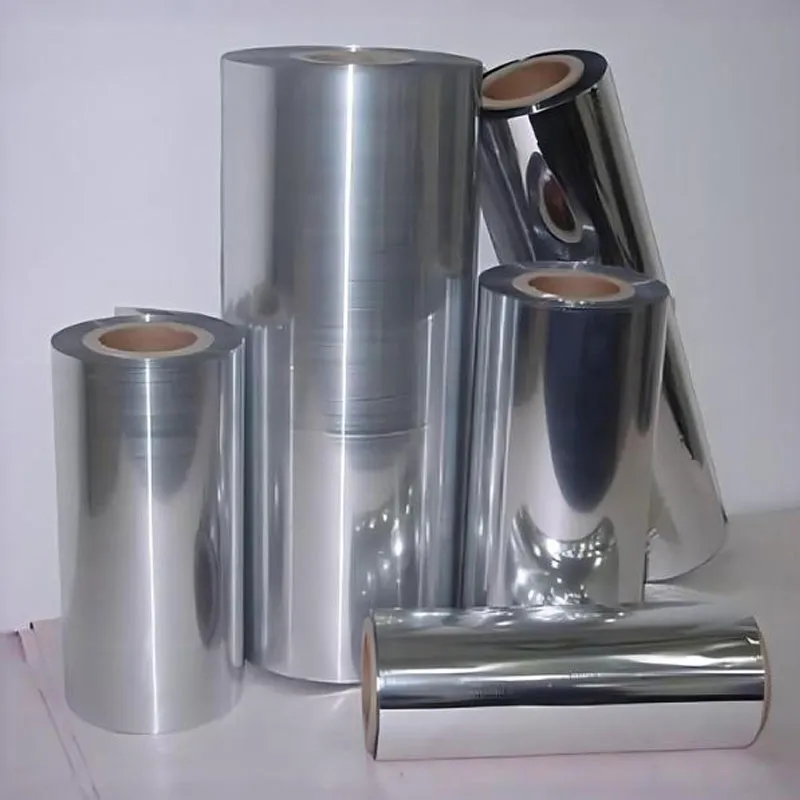
The PVC calendered film market is dynamic: prices reflect raw material swings, production methods, finishing options, and global logistics. This guide breaks down the main cost drivers, current market trends, and practical steps to help procurement teams and small manufacturers make smarter purchasing decisions for calendered PVC film.
PVC calendered film is produced by passing PVC compound through heated rollers to form thin, uniform sheets. It is prized for surface decoration, protective films, and packaging because it can mimic wood grain, marble, metallic, or glossy finishes while remaining affordable and easy to process.
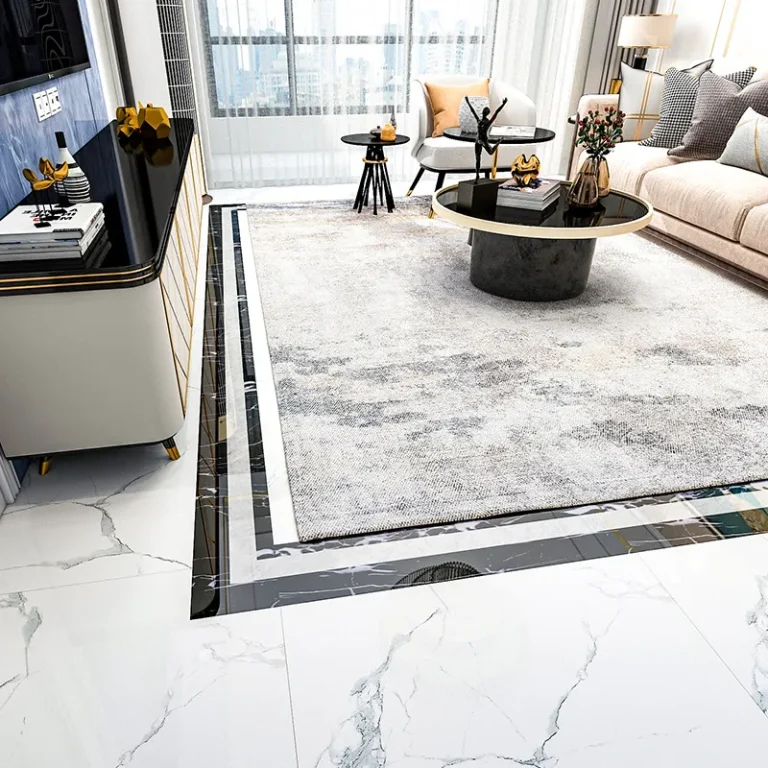
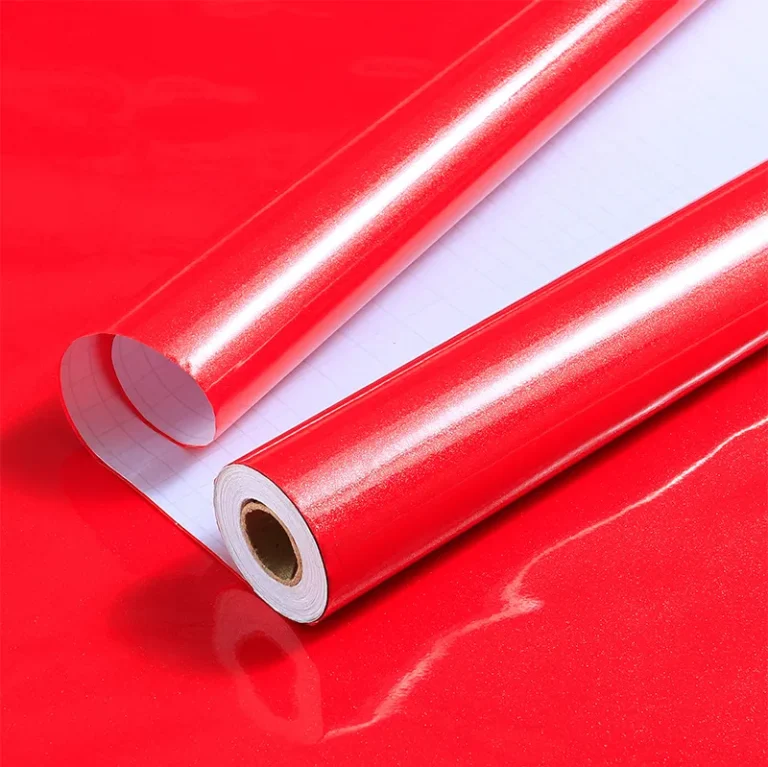
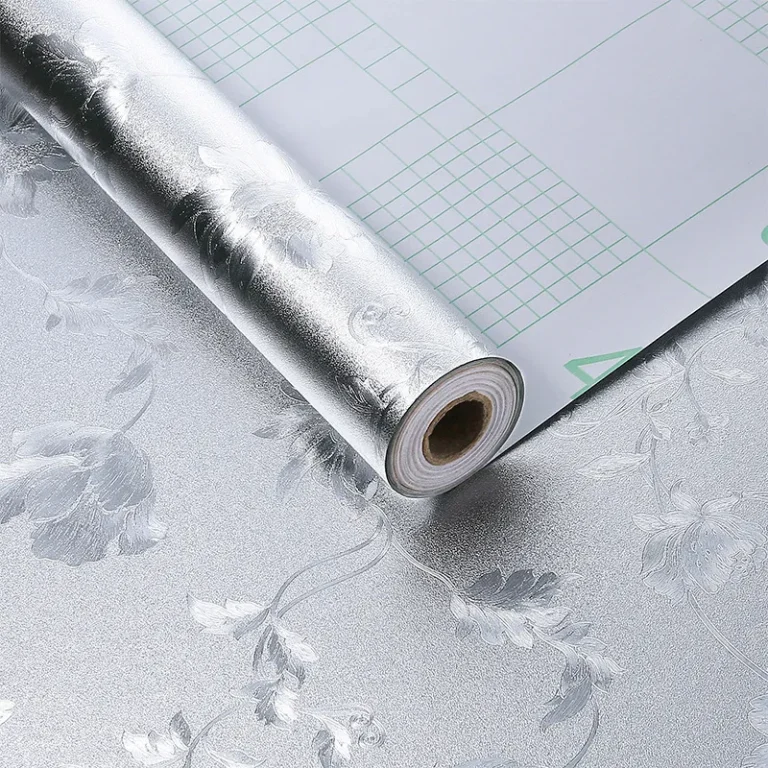
Common uses include furniture wrapping, wardrobe doors, flooring overlays, skirting membranes, automotive decorative layers, and protective adhesive films. Available finishes range from high-gloss and matte to embossed textures and printed patterns.
PVC resin, plasticizers, stabilizers, pigments and additives account for the largest share of production cost. Global petrochemical price changes and supply chain disruptions can quickly push prices up or down. Monitor resin and plasticizer indices when budgeting for large orders.
Thicker films and wider rolls use more material and processing time. Pricing is commonly quoted per kilogram or per square meter—specify the exact thickness (e.g., 0.08mm, 0.15mm) and roll width to get accurate quotes.
Embossing, special coatings (anti-scratch, anti-fingerprint), multi-color digital or gravure printing, and metallization add processing steps and cost. High-resolution prints or multi-layer lamination will increase the unit price.
Calendered films produced on modern multi-roll lines with tight QC deliver consistent thickness and finish—this reliability often justifies a premium. Batch-to-batch variance from lower-end producers can increase downstream waste and labor costs.
Higher volumes typically reduce per-unit cost. Rush orders or small custom runs carry surcharges. Plan orders around lead times to avoid expedited freight charges.
Shipping mode (sea vs. air), import duties, and regional taxes affect landed cost. For exports to distant markets, freight and insurance may equal or exceed the raw material cost portion.
Prices vary widely by region and specification. The table below shows approximate ranges to help frame supplier conversations; always request current quotes including delivery and packaging.
| Product Grade | Typical Unit | Indicative Price (USD) |
|---|---|---|
| Basic Clear / Protective Film | per kg | 0.80 – 1.50 |
| Decorative (printed / woodgrain) | per sq.m | 0.60 – 2.50 |
| High-End Embossed / Coated | per kg | 1.80 – 3.50 |
| Custom Printed / Multi-layer | per sq.m | 2.00 – 6.00+ |
Recent trends include increased demand for decorative remodelling films in residential markets, a push for low-VOC and REACH-compliant formulations in Europe, and growing interest in digitally printed short runs for customization. China and Southeast Asian production hubs continue to influence global pricing due to scale and export logistics.
Buyers increasingly request certificates for phthalate-free plasticizers, low-emission formulas, and recycled-content options. Ask suppliers about test reports (RoHS, REACH) and long-term material traceability.
Follow these practical steps when comparing suppliers and negotiating prices:
Consolidate orders and agree on longer-term contracts to lock prices. Standardize widths and finishes where possible to leverage economies of scale. Consider split packaging to optimize distribution and reduce local handling costs.
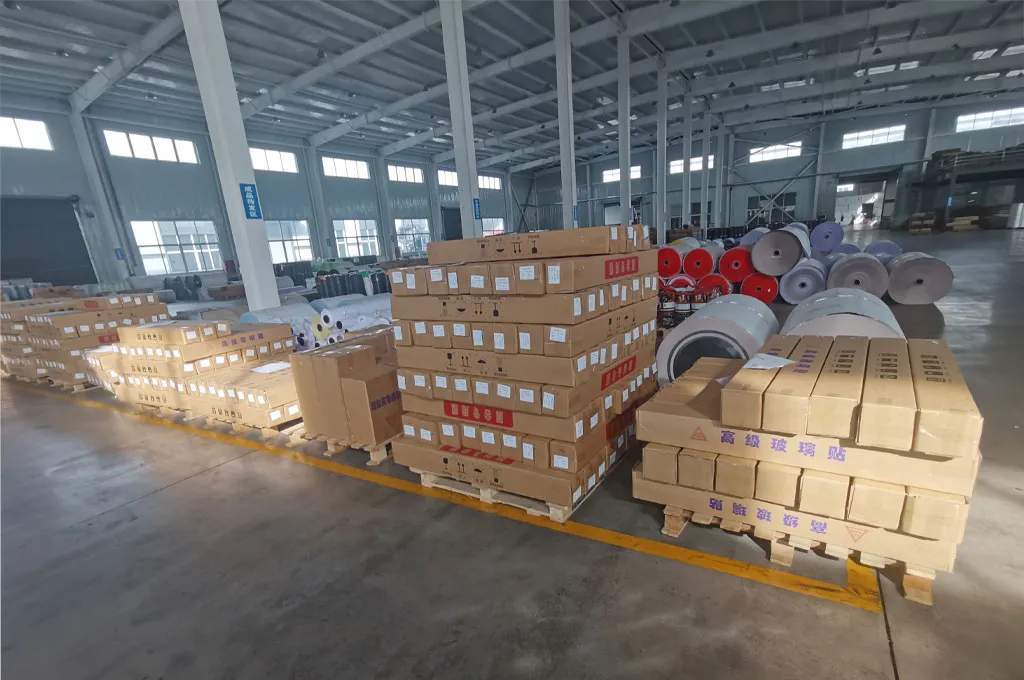
Proper roll wrapping, carton strength, and palletization reduce damage claims. Verify the supplier’s packaging specifications and ask for photos of how goods are packed before shipment.
Verify roll dimensions, visual finish, print color match, gloss level, adhesion tests (for self-adhesive types), and send a random sample to an independent lab if needed. Clear acceptance criteria in the contract avoid disputes.
Henan Pulivk New Materials Co., Ltd. (Pulivk) operates full in-house production with calendering, printing, and split-packaging lines—offering OEM customization, tight quality control, and experience exporting to Southeast Asia, the Middle East, and Europe. Learn more at https://pvcfilmtec.com/
If you need a quote: prepare a specification sheet listing grade, thickness, width, finish, print requirements, and target annual volume. Share that with potential suppliers to receive accurate pricing and lead-time estimates.