Address
304 North Cardinal St.
Dorchester Center, MA 02124
Work Hours
Monday to Friday: 7AM - 7PM
Weekend: 10AM - 5PM
Address
304 North Cardinal St.
Dorchester Center, MA 02124
Work Hours
Monday to Friday: 7AM - 7PM
Weekend: 10AM - 5PM


 ByPulivk
PVC embossed film has become an essential material across multiple industries, offering a unique combination of aesthetic appeal, durability, and cost-effectiveness. Whether you are renovating furniture, designing interior walls, or developing commercial products, understanding the different types and applications of pvc embossed film can help you make the right choice for your project.
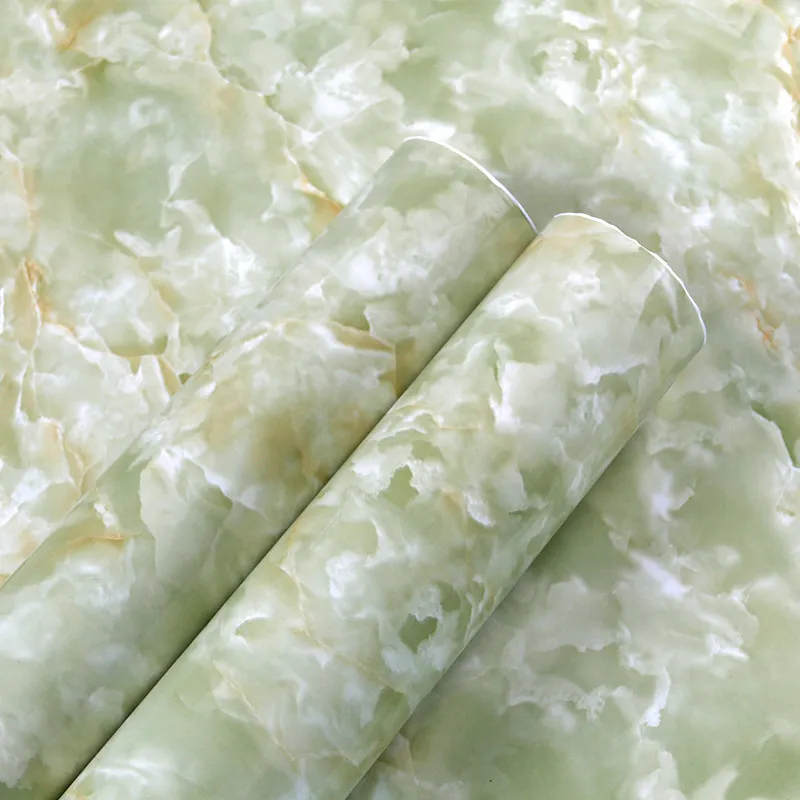
PVC embossed film is a type of polyvinyl chloride sheet that has been processed through embossing rollers to create raised or recessed patterns on its surface. This manufacturing technique gives the film a tactile texture and visual depth that mimics natural materials like wood, stone, leather, and fabric. The embossing process not only enhances appearance but also improves functional properties such as slip resistance, light diffusion, and scratch concealment. As a versatile decorative and protective material, pvc embossed film is widely used in furniture manufacturing, building construction, and various industrial applications.
The diversity of embossing patterns allows PVC film to replicate a wide range of textures and finishes. Below are the most common types available on the market:
Wood grain patterns are among the most popular choices for furniture and interior decoration. These films replicate the natural look and feel of oak, walnut, cherry, and other wood species with remarkable realism. The embossed texture adds depth that flat-printed films simply cannot achieve.
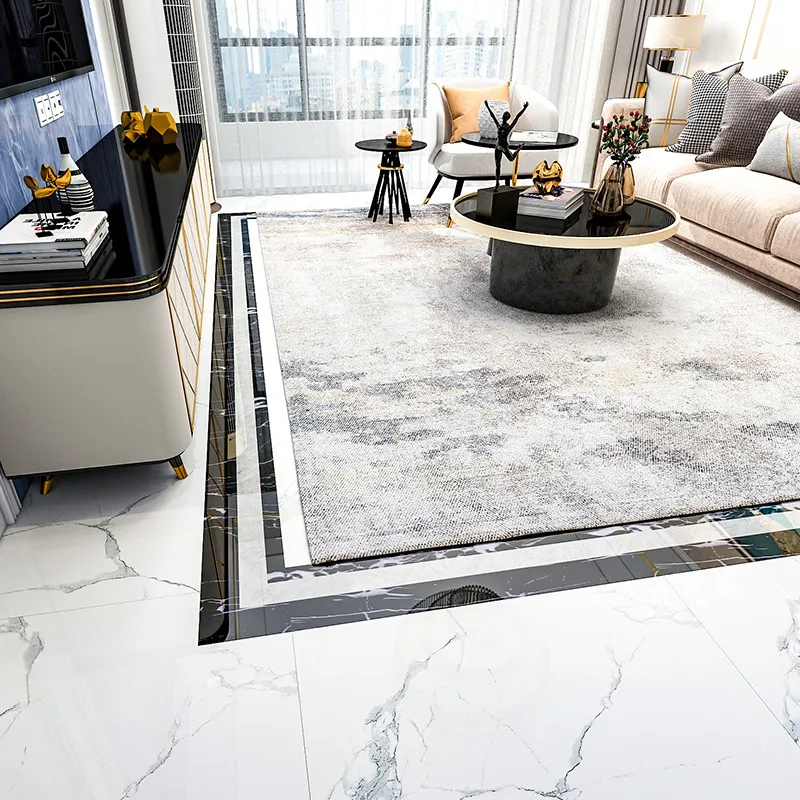
For a luxurious appearance without the weight and cost of real stone, marble embossed film offers an ideal solution. These films feature intricate veining patterns and a smooth yet textured surface that closely resembles polished natural stone, making them perfect for wall panels and countertop surfaces.
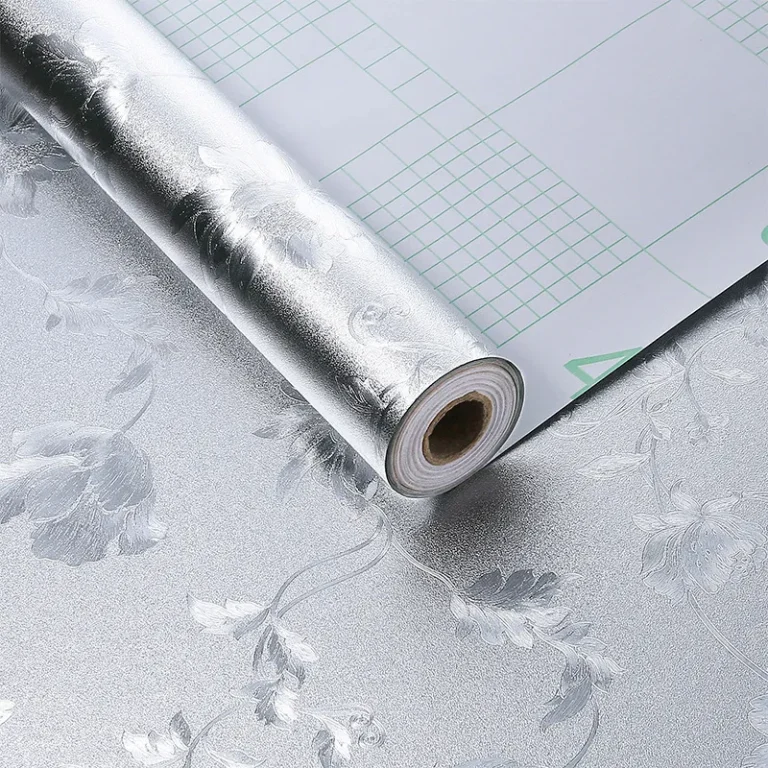
This premium category features sophisticated silk-like patterns with a subtle sheen and soft tactile finish. pvc embossed film with 3D silk textures is increasingly used in high-end wardrobe doors, decorative panels, and luxury interior applications where visual impact matters.
These films mimic the appearance of genuine leather or woven textiles, providing a soft-touch feel that enhances the perceived value of products. Common applications include automotive interiors, furniture upholstery, and electronic device casings.
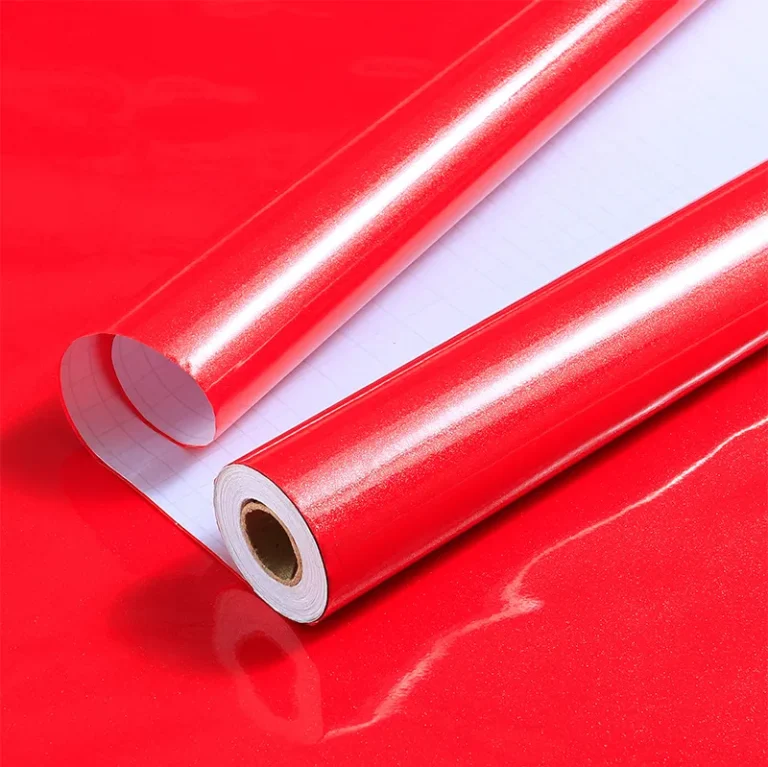
Beyond patterned textures, embossed films also come in matte and glossy variants with subtle surface treatments. Matte finishes reduce glare and hide fingerprints, while glossy embossed surfaces create a reflective, polished appearance suitable for modern design styles.
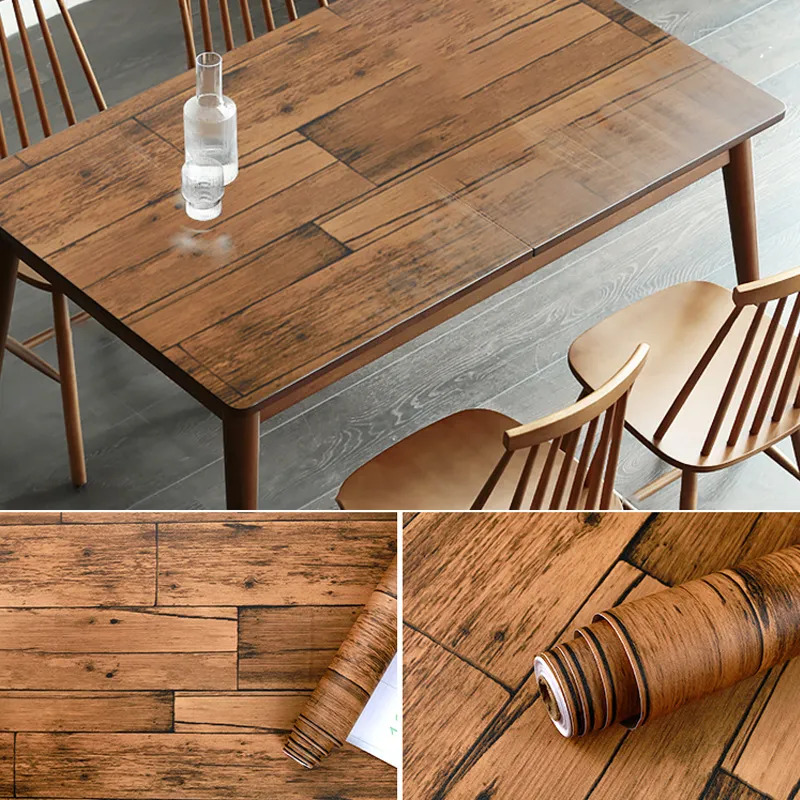
The versatility of PVC embossed film makes it suitable for a broad spectrum of industries. Here are the primary application areas:
Choosing PVC embossed film offers numerous advantages over alternative materials. The following table summarizes the key benefits:
| Benefit | Description |
|---|---|
| Cost-Effective | Significantly more affordable than natural materials like wood, stone, or leather while delivering comparable aesthetics |
| Durable & Scratch-Resistant | Embossed textures help conceal minor scratches and wear, extending the service life of finished products |
| Waterproof & Easy to Clean | PVC film resists moisture penetration and can be cleaned with mild detergents, making it ideal for kitchens and bathrooms |
| Wide Design Flexibility | Available in thousands of patterns, colors, and textures with pvc embossed film offering endless customization possibilities |
| Lightweight | Much lighter than stone, glass, or solid wood, reducing transportation costs and structural load requirements |
| Environmentally Adaptable | Formulations with UV inhibitors are available for outdoor use, offering resistance to yellowing and weathering |
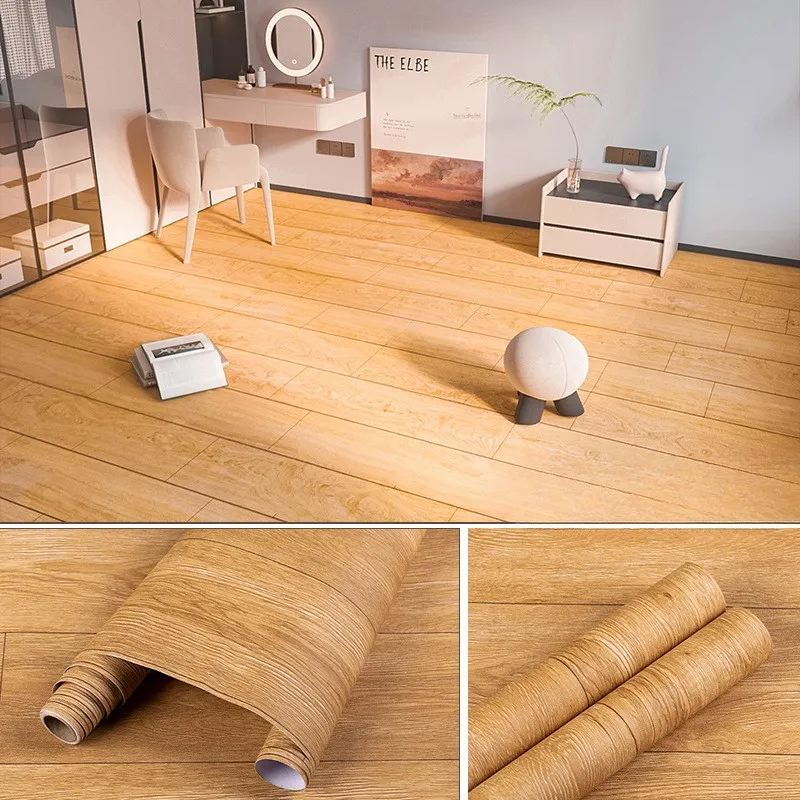
Selecting the appropriate PVC embossed film for your project requires careful evaluation of several factors. Use the following guidelines to make an informed decision:
Determine whether the film will be applied to MDF, plywood, metal, glass, or plastic. Different substrates may require specific adhesive types or lamination methods. Cold lamination with environmentally friendly adhesives or hot lamination using vacuum presses are the two primary application techniques.
PVC embossed films typically range from 0.03 mm to 0.50 mm in thickness. Thinner films are suitable for lightweight decorative applications, while thicker gauges provide better durability for high-traffic areas like flooring and furniture surfaces.
The embossing depth and pattern affect both aesthetics and functionality. Deep embossing creates a more pronounced texture that better conceals surface imperfections, while subtle patterns offer a smoother, more refined appearance. Choose matte finishes for glare-sensitive areas and glossy textures for modern, reflective designs.
Ensure the film meets relevant international standards. Look for RoHS and REACH compliance, lead-free formulations, and phthalate-free options if the product will be used in indoor environments or come into contact with people. Many manufacturers now offer eco-friendly PVC formulations that align with PVC circular economy principles.
For outdoor or high-wear applications, select films with UV stabilizers and enhanced scratch resistance. Indoor decorative films may prioritize appearance and texture over extreme durability. Always verify the film’s performance characteristics against ASTM PVC Film Standard testing methods for tensile strength, tear resistance, and dimensional stability.
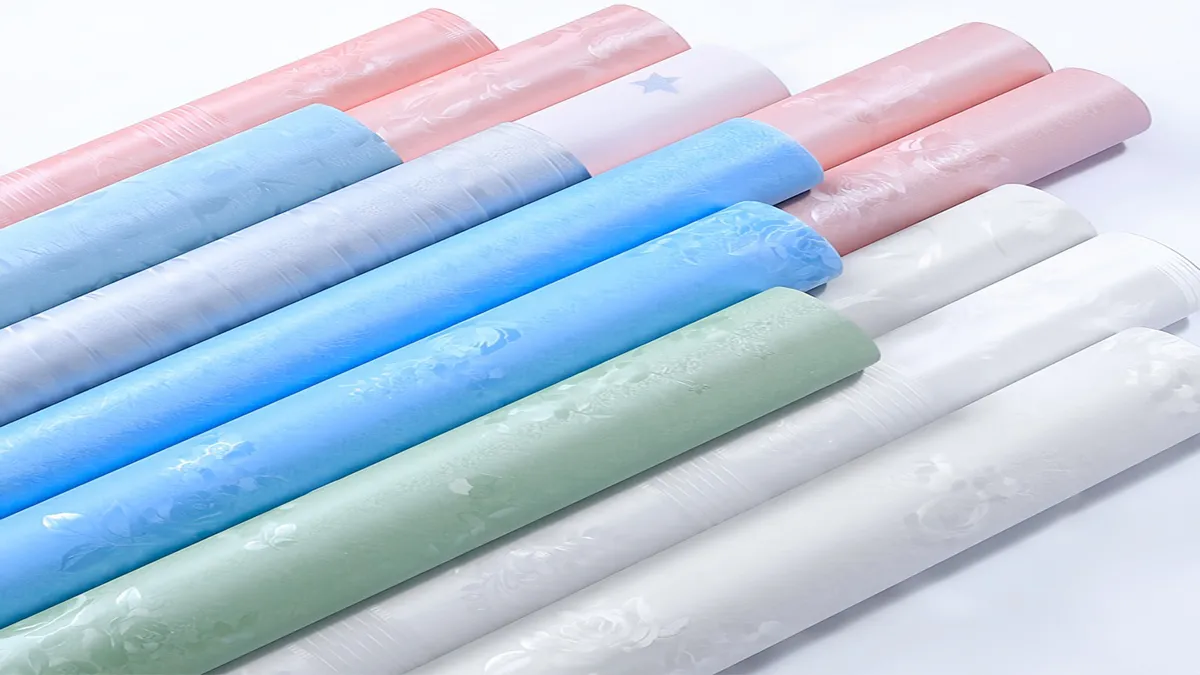
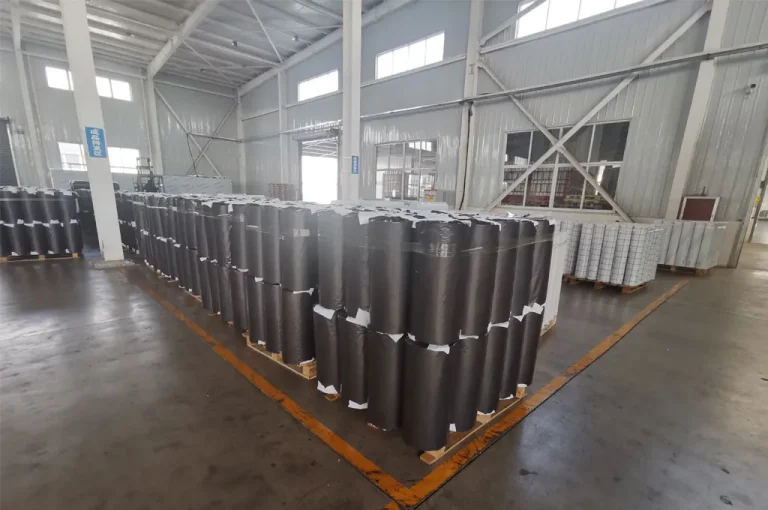
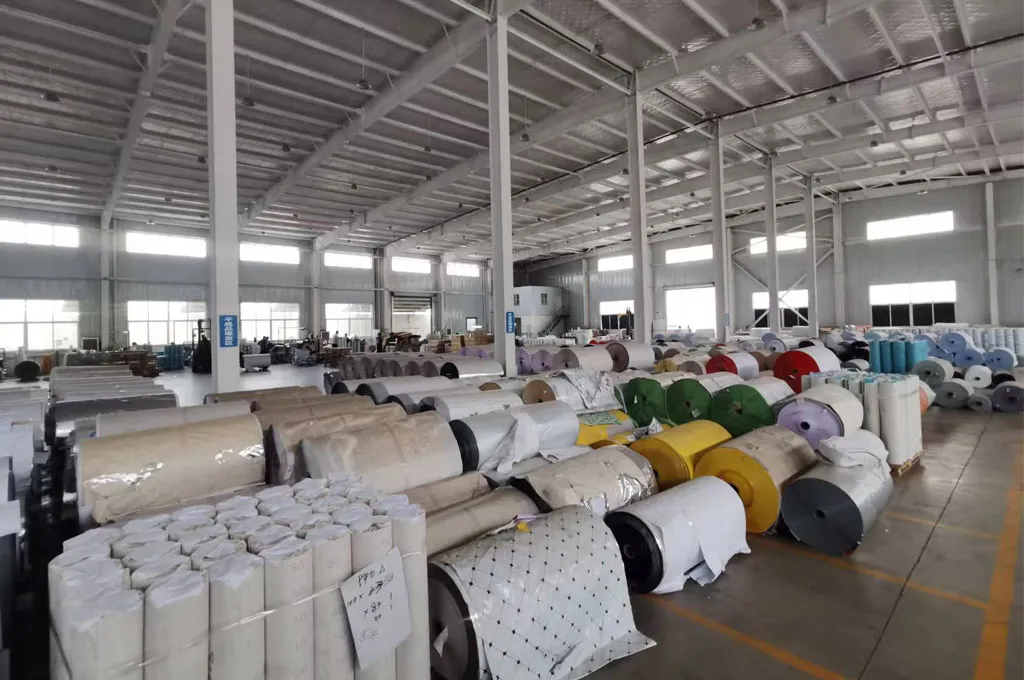
Behind every high-performance PVC embossed film is a reliable manufacturing process. Henan Pulivk New Materials Co., Ltd. operates advanced calendering lines, printing lines, and split-packaging lines to control quality at every stage of production. With thicknesses from 0.03 mm to 0.50 mm and widths up to 1500 mm, the factory delivers consistent products that meet international standards while helping partners reduce costs through source-level control of raw materials and processes.
PVC embossed film adheres well to smooth, flat surfaces including MDF, particleboard, plywood, glass, metal, and plastic substrates. Proper surface preparation and the correct adhesive selection are essential for optimal bonding.
Yes, many PVC embossed films can be formulated with UV inhibitors to improve weather resistance. These specialized formulations help resist yellowing, embrittlement, and gloss loss. However, actual durability depends on the specific film type and environmental conditions.
For standard PVC embossed film products, the minimum order quantity is typically around 3,000 square meters per design. Custom colors or films with special properties may require higher MOQs depending on the specific requirements.
Clean the film surface with a soft, damp cloth or sponge and a neutral detergent. Avoid abrasive cleaners, steel wool, strong acids, and strong alkaline cleaners, as these may scratch or damage the embossed surface.
PVC embossed film stands out as a versatile, cost-effective, and aesthetically pleasing material for countless applications. From wood grain furniture surfaces to marble wall panels and durable flooring solutions, the right embossed film can transform ordinary products into visually striking, long-lasting creations. By understanding the types, applications, benefits, and selection criteria outlined above, you can confidently choose the ideal film for your needs. For high-quality products backed by reliable manufacturing, explore the full range of options available from experienced suppliers who control every step of the production process.