Address
304 North Cardinal St.
Dorchester Center, MA 02124
Work Hours
Monday to Friday: 7AM - 7PM
Weekend: 10AM - 5PM
Address
304 North Cardinal St.
Dorchester Center, MA 02124
Work Hours
Monday to Friday: 7AM - 7PM
Weekend: 10AM - 5PM


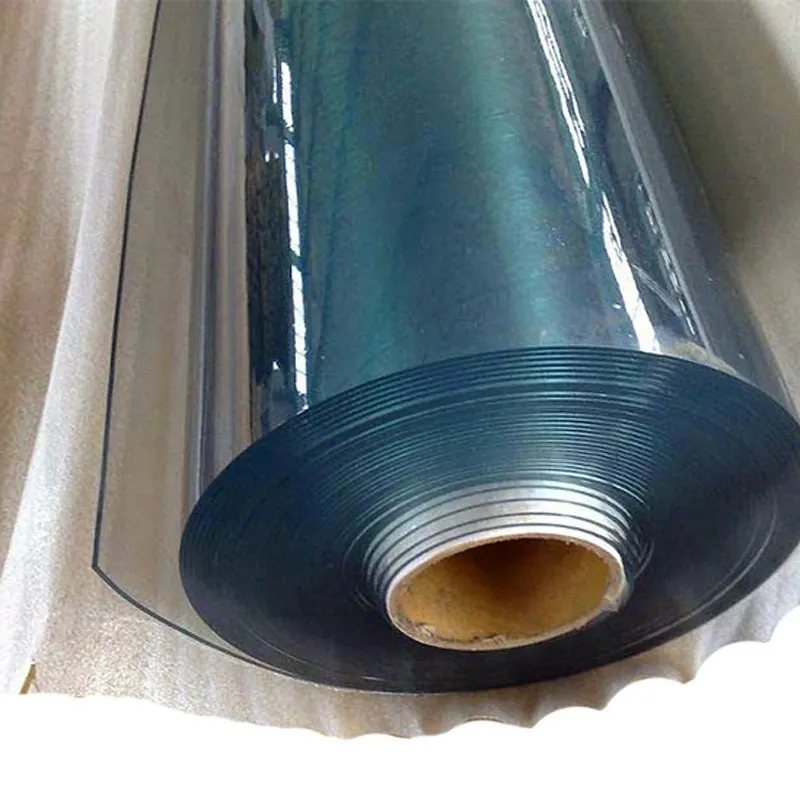
Ethylene-vinyl acetate (EVA) film is a versatile plastic film used across packaging, construction, printing, and decorative industries. Lightweight, flexible, and durable, EVA film combines clarity with impact resistance, making it a popular choice for protective layers, graphic overlays, and decorative finishes. This guide covers what EVA film is, how it’s made, key benefits, common applications, and tips for selecting the right product for your projects.
EVA film is produced from a copolymer of ethylene and vinyl acetate. The vinyl acetate content gives the film improved flexibility, toughness, and adhesive properties compared with plain polyethylene. Depending on formulation and production method (cast, calendered, or laminated), EVA film can be transparent, frosted, colored, or printed.
Flexibility: Excellent cold-temperature performance and bending resilience.
Clarity: Available in high-clarity grades for display and packaging.
Adhesion: Good bonding ability with many inks, adhesives, and laminates.
Durability: Resistant to cracking, impact, and repeated handling.
Manufacturing methods include extrusion/casting and calendering. Additives (UV stabilizers, slip agents, colorants) and multilayer constructions allow EVA film to be tuned for specific functions such as anti-slip, anti-fog, or printable surfaces. In many factories, printing lines and split-packaging ensure consistent finishes and roll sizes for downstream customers.
Raw polymer mixing → Extrusion or calendering → Surface treatment (corona or primer) → Printing/lamination (optional) → Slitting & split-packaging → Quality checks and palletizing.
EVA film’s blend of aesthetics and performance makes it useful in numerous industries. Typical applications include:
Packaging: Protective and display film for consumer goods, apparel, and electronics.
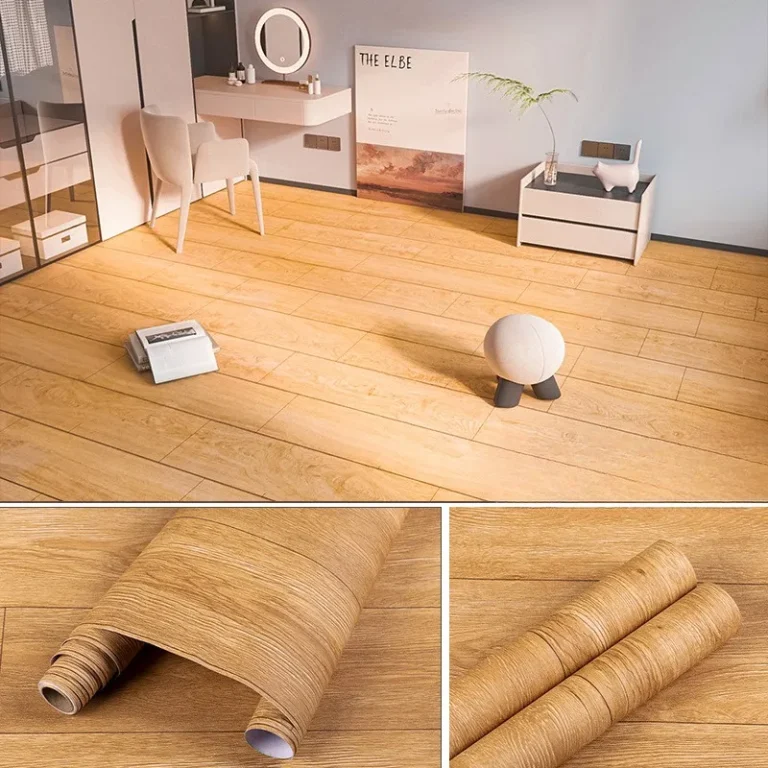
Decorative coverings: Wood-grain, marble, and textured decorative films for furniture and wall panels.
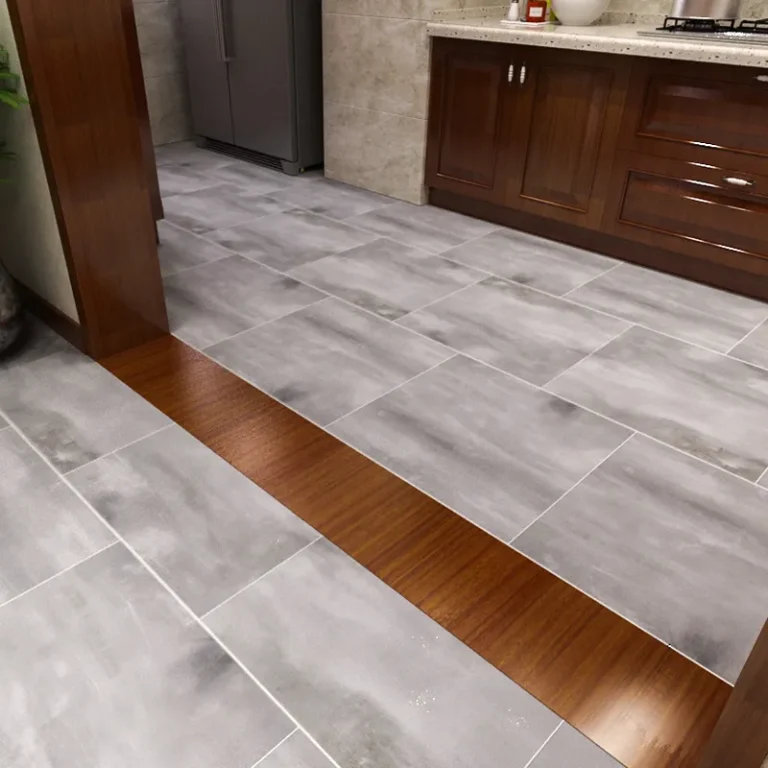
Floor and skirting membranes: Durable, decorative floor protectors and skirting wraps.
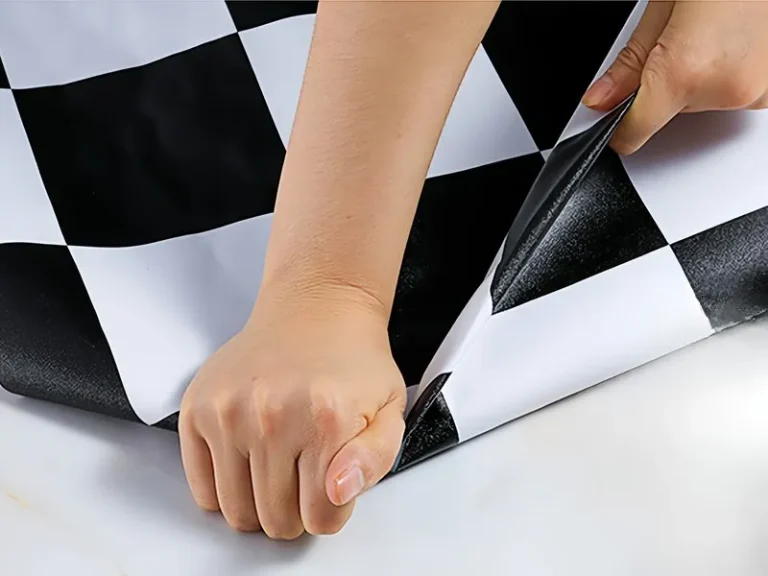
Adhesive-backed films: Self-adhesive overlays for cabinetry, wardrobes, and vehicle interiors.
Protective overlays: Temporary protective film during manufacturing, transport, and installation.
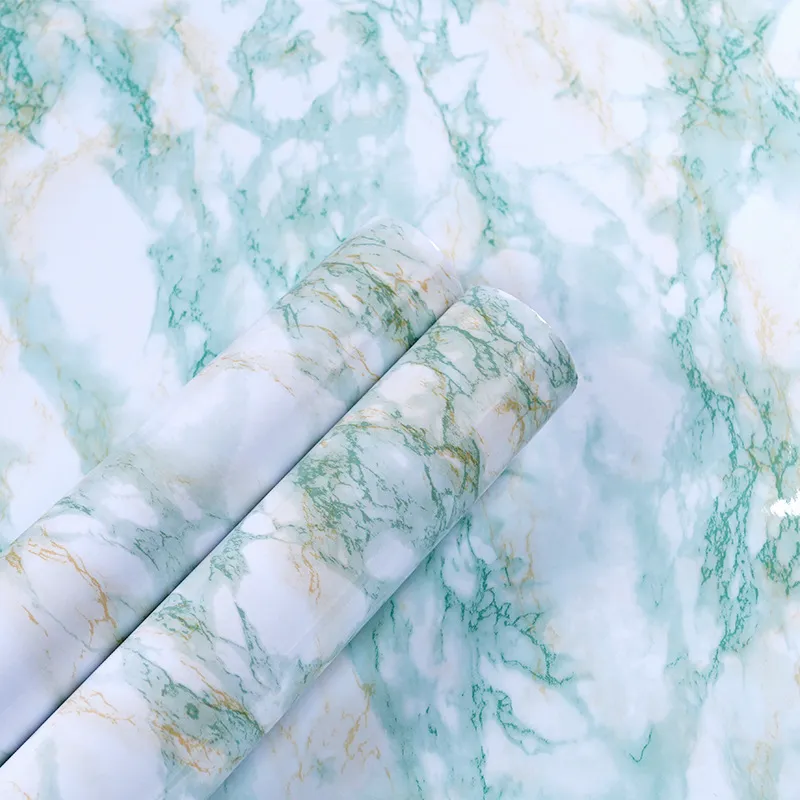
Interior designers use printed EVA for fast, cost-effective renovations; packaging brands rely on transparent EVA for attractive product display; industrial manufacturers apply protective EVA films to finished panels and components.
Cost-effective: Lower-cost alternative to some rigid substrates while providing attractive finishes.
Customizable: Wide range of finishes, colors, and textures are possible through printing and calendaring.
Lightweight & flexible: Easy to handle, apply, and transport.
Good adhesion & printability: Suitable for advanced printing and lamination processes.
Durability: Resists cracking and retains appearance with minimal maintenance.
| Property | Typical Value / Options | Best For |
|---|---|---|
| Thickness | 20–500 μm (customizable) | Protective layers, overlays, decorative wraps |
| Finish | Glossy, matte, textured, frosted | Aesthetic applications, anti-slip surfaces |
| Roll Width | 0.6–1.6 m (or customized slit rolls) | Furniture wraps, flooring films |
| Adhesion/Coating | Corona-treated, primer-coated, adhesive-backed | Printing, lamination, self-adhesive applications |
Identify the application: Decorative finishes require different textures and thicknesses than protective packaging.
Check surface treatment: For printing or lamination, ensure proper corona or primer treatment.
Confirm mechanical needs: Choose higher thickness and robust formulations for heavy wear or frequent handling.
Ask about split-packaging: If you need smaller rolls or labeled batches, look for suppliers that provide split-packaging and QC documentation.
EVA is generally considered safe for many consumer applications; however, review the product safety data and any relevant regulations (food contact, building codes) for your market. Recyclability depends on local facilities and the film’s additives or multilayer structure.
Pulivk (Henan Pulivk New Materials Co., Ltd.) operates integrated production with calendering, printing, and split-packaging lines, enabling controlled quality, flexible OEM options, and reliable lead times for global customers.
Store rolls flat and away from direct sunlight. For adhesive-backed films, ensure substrates are clean and dry; allow acclimation to room temperature before application. Use squeegees or rollers to avoid bubbles and ensure firm adhesion.
Applying film to contaminated or uneven surfaces, skipping surface treatment checks for printing, and selecting the wrong thickness for high-traffic areas can lead to premature failure or poor appearance.
When sourcing EVA film, request samples to validate finish, printability, and adhesion on your substrates. Confirm lead times, QA checkpoints, and options for split-packaging or OEM labeling before placing volume orders.