Address
304 North Cardinal St.
Dorchester Center, MA 02124
Work Hours
Monday to Friday: 7AM - 7PM
Weekend: 10AM - 5PM
Address
304 North Cardinal St.
Dorchester Center, MA 02124
Work Hours
Monday to Friday: 7AM - 7PM
Weekend: 10AM - 5PM


 ByPulivk
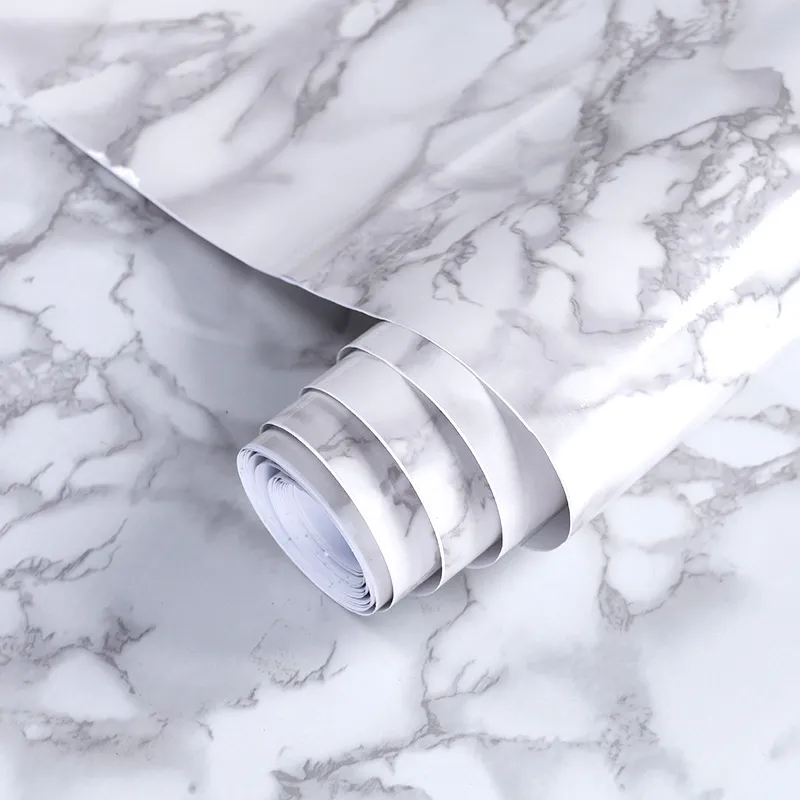
Whether you are renovating furniture, upgrading interior walls, or sourcing materials for commercial projects, PVC film sheet offers a practical and cost-effective solution. Its versatility, durability, and wide range of decorative options make it one of the most widely used materials across industries today. Understanding the different types, key benefits, and selection criteria can help you make informed purchasing decisions and achieve better results in your applications.
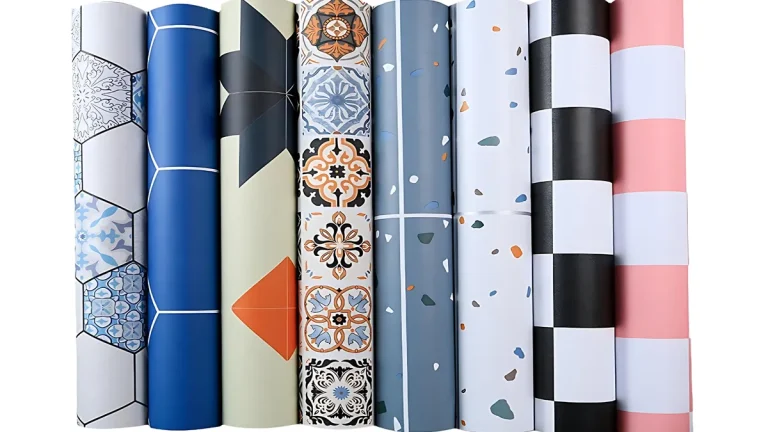
A PVC film sheet is a thin, flexible layer made from polyvinyl chloride resin, processed through calendered film or extrusion techniques. It can be produced in transparent, colored, embossed, or printed forms, with thicknesses typically ranging from 0.03 mm to 0.50 mm. These sheets are engineered for surface decoration, protection, packaging, and functional applications. Thanks to advanced manufacturing processes, modern PVC film sheets can mimic the look and feel of natural materials such as wood grain film, stone, leather, and fabric while offering superior performance at a fraction of the cost.
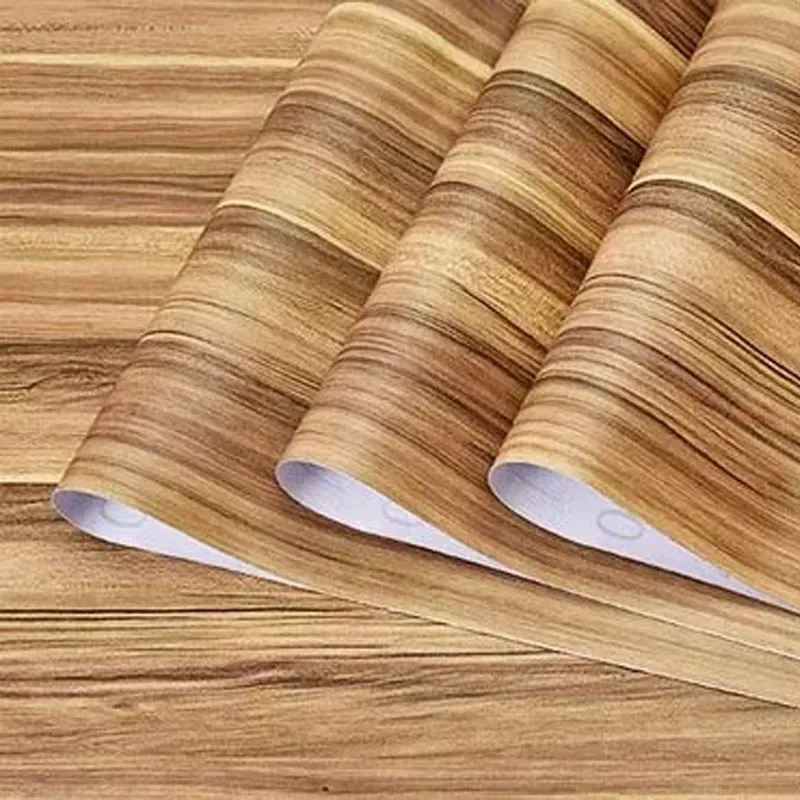
PVC film sheets are used across a broad spectrum of industries due to their adaptability. Below are some of the most common application areas:
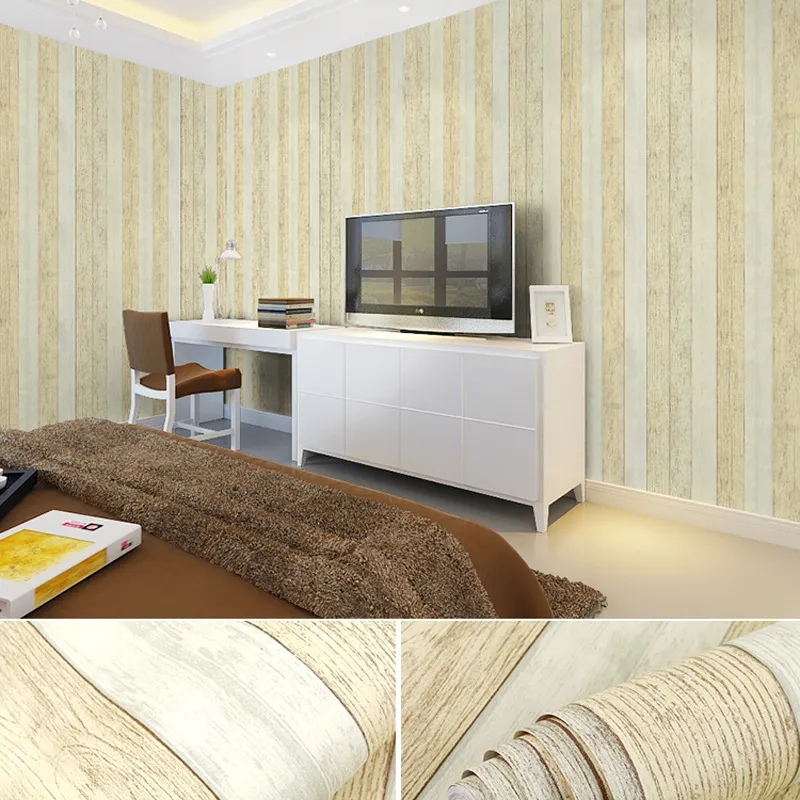
Choosing PVC film sheets over traditional materials brings a range of practical and economic advantages. The table below summarizes the core benefits that make this material a preferred choice for manufacturers and end-users alike.
| Benefit | Description |
|---|---|
| Cost-Effectiveness | Significantly more affordable than natural wood, stone, or metal while delivering comparable aesthetics. |
| Water & Moisture Resistance | Excellent resistance to humidity, making it ideal for kitchens, bathrooms, and damp environments. |
| Design Versatility | Available in thousands of patterns including marble film, solid colors, 3D textures, and custom prints. |
| Easy Maintenance | Simple to clean with a damp cloth and mild detergent; no special treatments required. |
| Durability | Scratch-resistant, UV-stabilized options available for both indoor and outdoor use. |
| Lightweight | Easier to transport, handle, and install compared to heavier natural materials. |
| Eco-Friendly Options | Lead-free and phthalate-free formulations available, compliant with RoHS and REACH standards. |
Selecting the appropriate PVC film sheet for your project requires careful evaluation of several factors. Making the right choice ensures optimal performance, longevity, and visual appeal. Here are the key considerations to guide your selection process:
The substrate you are working with determines the type of film you need. PVC film sheets can be applied to MDF, particleboard, plywood, glass, metal, and plastic surfaces. For smooth surfaces like glass or metal, self-adhesive films work well. For porous surfaces like MDF, hot lamination with appropriate adhesives is recommended. Always ensure the surface is clean, dry, and free of dust before application.
Film thickness directly impacts durability and application method. Thinner films (0.03–0.08 mm) are suitable for temporary protection and lightweight packaging. Medium-thickness films (0.10–0.20 mm) work well for furniture surfaces and interior wall decoration. Thicker films (0.25–0.50 mm) are ideal for flooring applications and high-traffic areas where enhanced wear resistance is needed.
The texture of the film affects both aesthetics and functionality. Glossy finishes create a modern, reflective look perfect for wardrobe doors and kitchen cabinets. Matte and soft-touch finishes provide a subtle, elegant appearance suitable for bedroom furniture. Embossed textures add depth and can replicate natural materials such as wood grain, stone, and fabric patterns. 3D silk texture films offer a premium tactile experience for high-end interior projects.
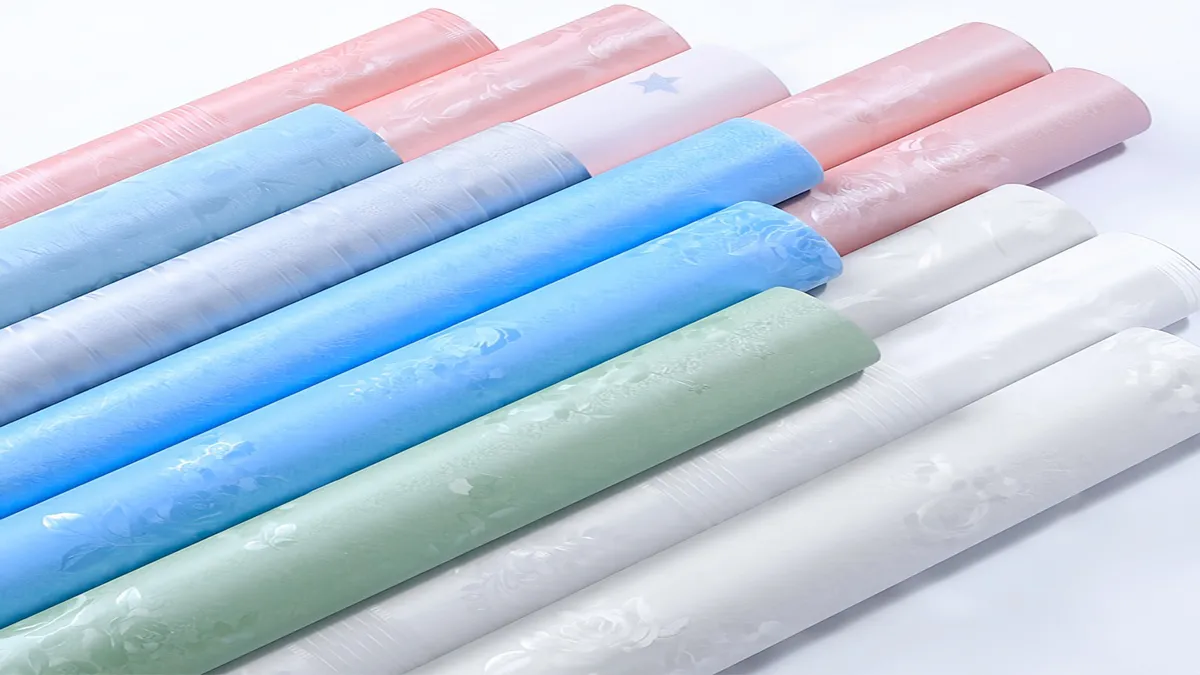
For outdoor applications or areas exposed to direct sunlight, choose films with UV inhibitors to prevent yellowing and degradation. For bathrooms and kitchens, prioritize moisture-resistant and anti-fog formulations. In medical or cleanroom settings, look for antibacterial and antistatic properties. Matching the film’s performance characteristics to the environment ensures long-lasting results.
Quality PVC film sheets should meet recognized industry standards. Look for compliance with ASTM PVC Film Standard for material specifications, ISO Film Thickness Standard for dimensional accuracy, and relevant environmental regulations such as RoHS and REACH for safety assurance. These certifications indicate that the manufacturer follows rigorous quality control processes.
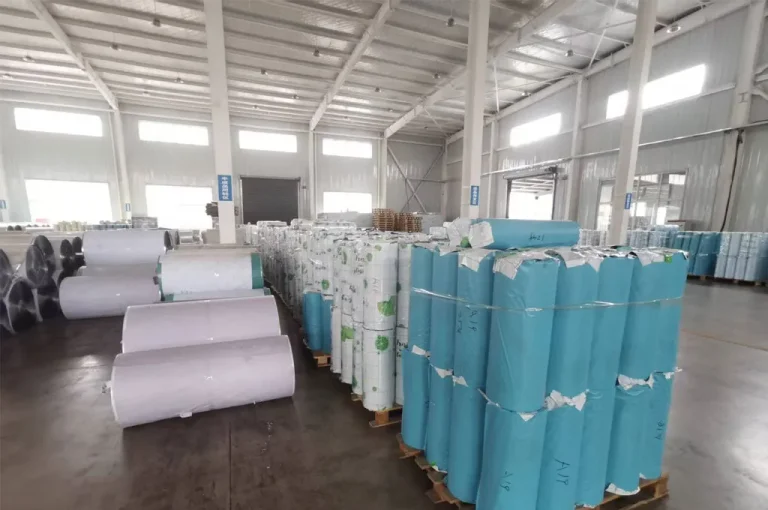
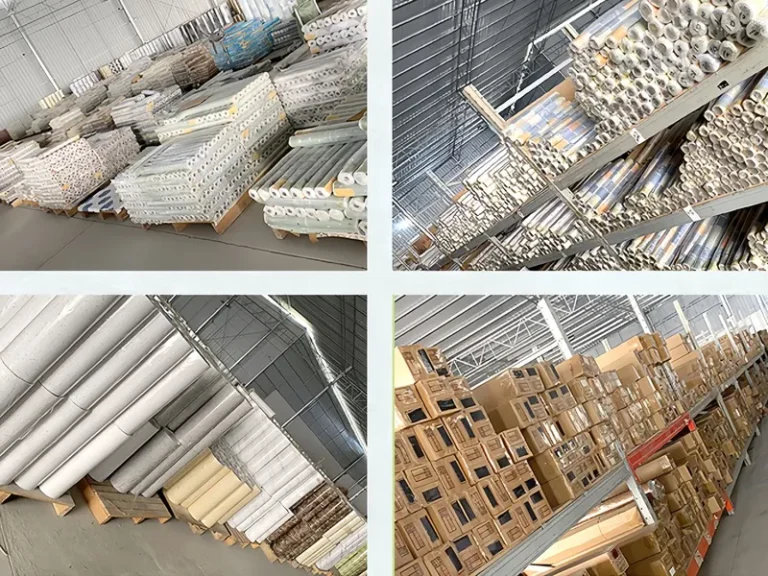
Working with a reliable supplier ensures consistent quality and timely delivery. A manufacturer like Henan Pulivk New Materials Co., Ltd. offers full in-house production capabilities—from calendering and printing to split packaging—which helps maintain strict quality control at every stage while reducing costs at the source. When evaluating suppliers, consider their production capacity, customization options, quality certifications, and export experience.
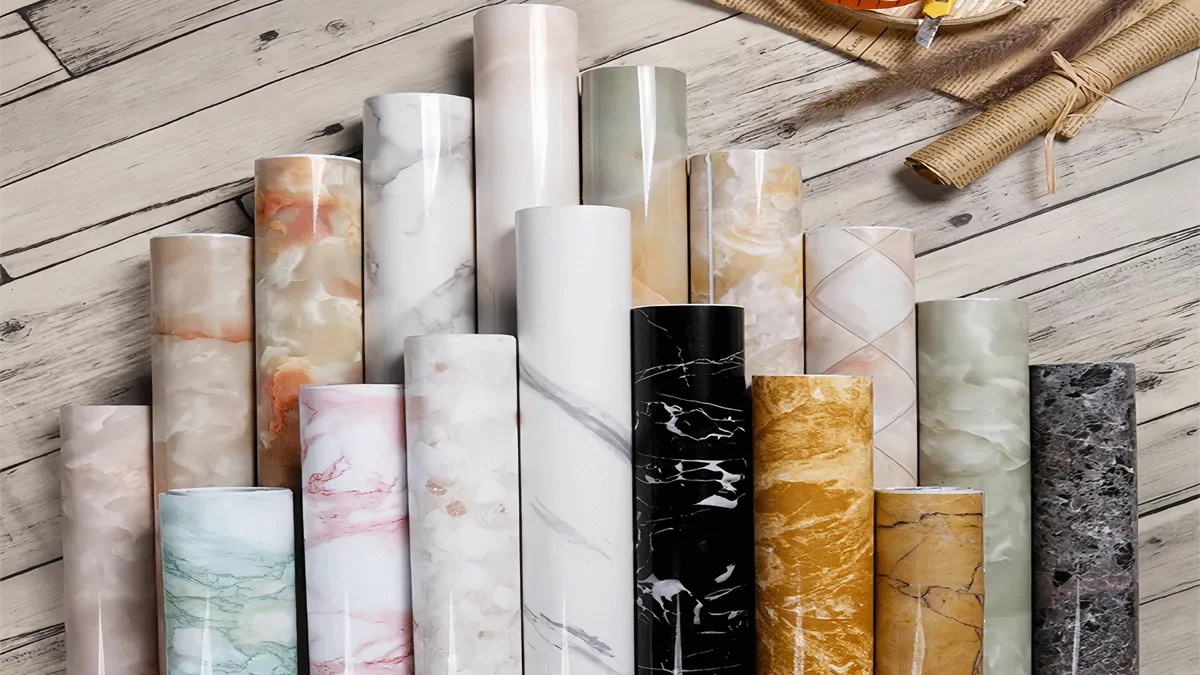
Depending on your specific needs, different product categories offer unique features. Below are some widely used options available in the market today:
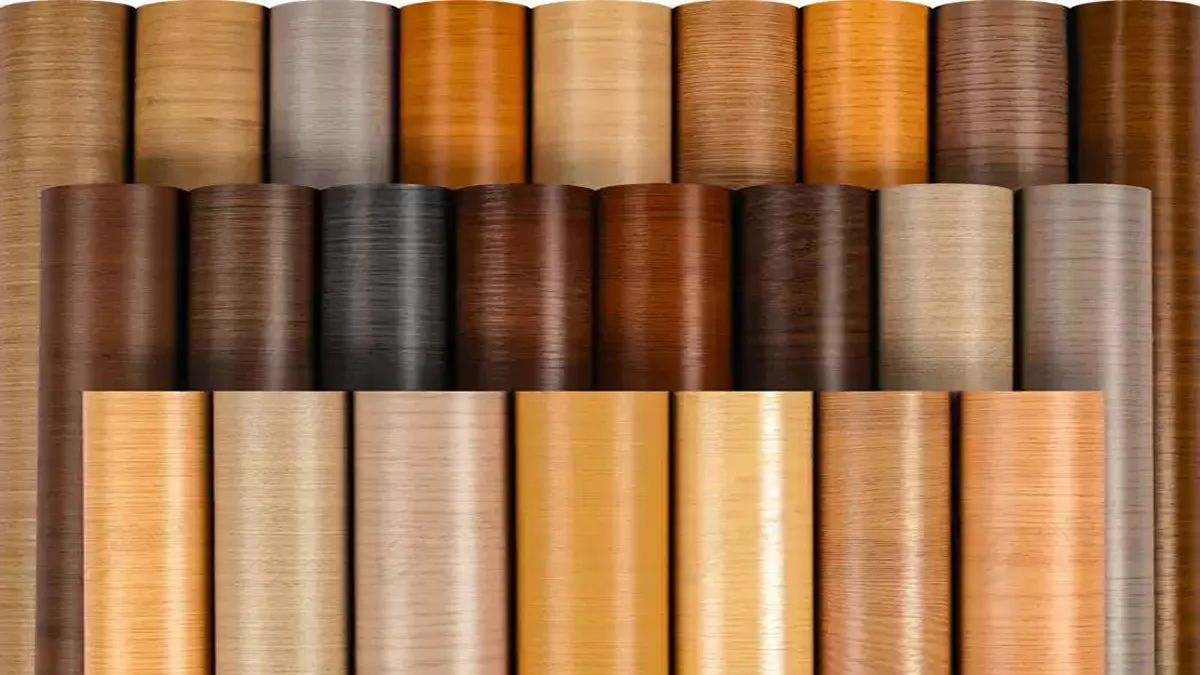
Reputable PVC film sheet manufacturers adhere to international testing standards to guarantee product performance. Key testing areas include tensile strength per Plastic Film Tensile Testing methods, tear resistance, haze and light transmittance for transparent films, dimensional stability under heat, and coefficient of friction for handling characteristics. Additionally, PVC Life Cycle Assessment data helps buyers evaluate the environmental footprint of their material choices. These standards provide a reliable framework for comparing products and ensuring that the material meets the demands of its intended application.
Proper installation is critical to achieving a professional finish with PVC film sheets. Cold lamination using environmentally friendly adhesives is the most common method for furniture and wall applications. For contoured surfaces, hot lamination with a vacuum laminator provides better adhesion and conformability. After installation, clean the film surface with a soft, damp cloth and a neutral detergent. Avoid abrasive cleaners, steel wool, strong acids, and alkaline solutions that can scratch or damage the film. With proper care, high-quality PVC film sheets can maintain their appearance and functionality for many years.
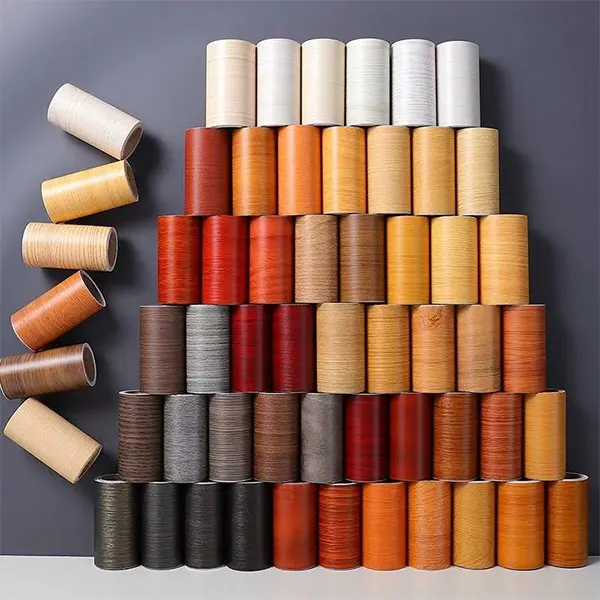
Investing in quality PVC film sheets pays off through longer service life, better aesthetics, and reduced maintenance costs. Whether you are a furniture manufacturer, interior designer, contractor, or DIY enthusiast, taking the time to understand material specifications and supplier capabilities will help you achieve superior results. Explore product catalogs, request samples for testing, and consult with technical teams to ensure the film you choose aligns perfectly with your project requirements. For more information on available products and customization options, visit the product catalog or contact us for personalized assistance.