Address
304 North Cardinal St.
Dorchester Center, MA 02124
Work Hours
Monday to Friday: 7AM - 7PM
Weekend: 10AM - 5PM
Address
304 North Cardinal St.
Dorchester Center, MA 02124
Work Hours
Monday to Friday: 7AM - 7PM
Weekend: 10AM - 5PM


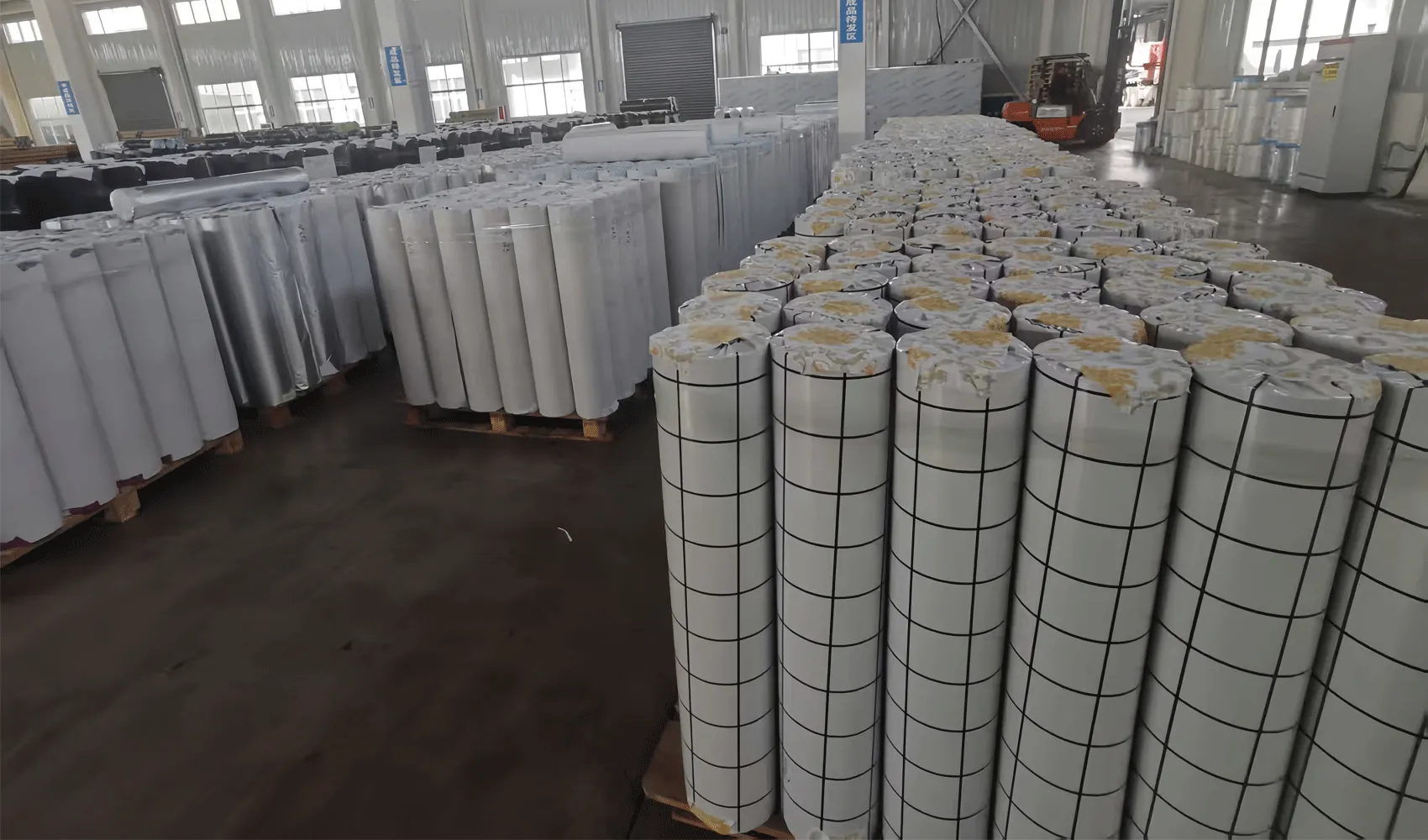
Water-based adhesives are increasingly used to bond PVC film in decorative, protective, and packaging applications. But is a PVC film water-based adhesive truly eco-friendly? This guide breaks down chemistry, performance, environmental impact, and practical tips to help specifiers, buyers, and installers make informed decisions.
Water-based adhesives use water as the primary solvent carrier instead of organic solvents. For PVC film applications, these adhesives are formulated to achieve strong adhesion to plasticizers and smooth film surfaces while remaining flexible. Typical chemistries include acrylic emulsions, styrene-acrylic copolymers, and polyurethane dispersions.
Polymer binder (acrylic/PU), rheology modifiers, tackifiers, and additives for heat/moisture resistance make up the core. Pigments are rarely used in clear adhesives. Compared to solvent-based systems, water-based adhesives reduce flammable and volatile components.
Not all water-based adhesives are automatically sustainable. Consider:
| Property | Water-Based | Solvent-Based |
|---|---|---|
| VOC Emissions | Low | High |
| Initial Tack | Moderate–High | High |
| Water Resistance | Good (formulation dependent) | Excellent |
| Curing Time | Slower at low temps | Faster |
| Fire/Storage Risk | Low | High |
Clean, dry surfaces free of oils and dust are essential. PVC films often contain plasticizers or surface treatments — testing adhesion on a sample panel is strongly recommended before full production.
Choose adhesives specifically designed for PVC/plastic substrates. Acrylic dispersions offer UV stability and clarity, while PU dispersions provide superior flexibility and water resistance for exterior or high-moisture uses.
Allow adequate open time for wetting the film; some water-based systems require longer pressure or dwell time. Temperature and humidity affect evaporation — follow supplier guidelines for best performance.
PVC film bonded with adhesives can complicate mechanical recycling streams. Water-based adhesives are generally easier to remove with controlled thermal or chemical delamination processes than solvent-cured resins, but recycling compatibility depends on the entire film-adhesive-substrate system.
Ask suppliers for VOC test results, EMICODE/ASTM/ISO data where applicable, and any eco-labels. Performance tests should include peel strength, shear, heat aging, and water resistance on the actual PVC film being used.
Modern water-based adhesives can match or exceed solvent-based performance for many PVC film uses, especially when formulated correctly and applied with proper surface prep.
Yes — polyurethane dispersions and certain acrylic emulsions provide good outdoor durability, but confirm UV and plasticizer migration resistance for long-term exposure.
If you need reliable PVC film and adhesive solutions, Pulivk can support full in-house production, testing, and OEM customization to help you choose the right film-adhesive combination for performance and environmental goals: https://pvcfilmtec.com/