Address
304 North Cardinal St.
Dorchester Center, MA 02124
Work Hours
Monday to Friday: 7AM - 7PM
Weekend: 10AM - 5PM
Address
304 North Cardinal St.
Dorchester Center, MA 02124
Work Hours
Monday to Friday: 7AM - 7PM
Weekend: 10AM - 5PM



 ByPulivk
In the world of industrial and decorative materials, opaque white PVC film stands out as a versatile, cost-effective, and high-performance solution. Whether you are sourcing materials for furniture lamination, wall panel decoration, or specialized packaging, understanding the properties and selection criteria of this film is crucial. Its unique ability to completely block light while providing a clean, modern aesthetic makes it a preferred choice across multiple sectors.
This material is engineered from polyvinyl chloride, formulated to achieve a solid white appearance that conceals substrates effectively. Unlike transparent or translucent films, opaque white PVC film offers superior hiding power, which is essential when covering dark or uneven surfaces such as MDF, particleboard, or metal. Its smooth surface finish and consistent color make it ideal for applications where visual uniformity is non-negotiable.
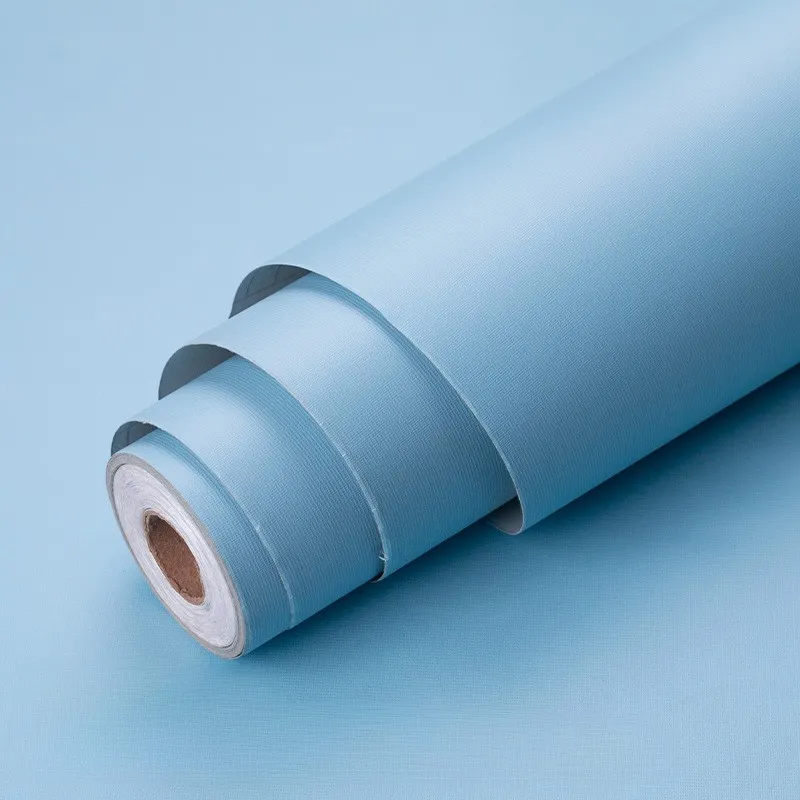
The adaptability of opaque white PVC film allows it to penetrate markets from interior design to heavy-duty industrial use. The following are primary application areas:
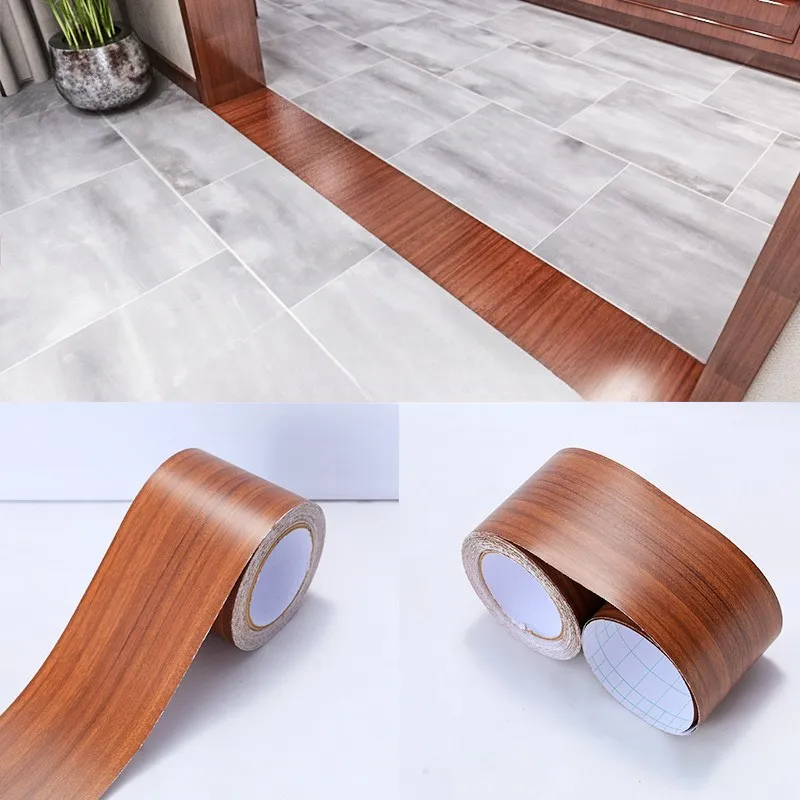
Choosing opaque white PVC film is not just about color preference; it is about leveraging mechanical and chemical properties that ensure long-term reliability. To help you compare, the table below highlights the typical technical advantages expected from a high-quality film:
| Property | Performance Characteristic | User Advantage |
|---|---|---|
| Light Opacity | Excellent hiding power, no substrate bleed-through | Allows coverage over unsightly or recycled substrates |
| Chemical Resistance | Resists mild acids, alkalis, and household detergents | Long-lasting color integrity and easy maintenance according to ASTM PVC Film Standard |
| Plasticizer Migration | Formulation stability prevents sticky surfaces or shrinkage | Maintains dimensional stability and bonding strength over time |
| Surface Hardness | Options range from soft-touch to hard scratch-resistant finishes | Customizable tactile experience without sacrificing durability |
Beyond the basics, modern manufacturing techniques, such as those employed by Henan Pulivk New Materials Co., Ltd., ensure that these films meet stringent environmental regulations. By using lead-free and phthalate-free formulations, the opaque white PVC film can safely comply with EU PVC Chemical Restrictions such as REACH and RoHS, making it suitable for indoor spaces with strict air quality requirements.
Not all opaque white PVC film products perform identically. The selection process should be rigorous, focusing on the specific demands of your application. Here is a structured approach to evaluating material quality:
Examine whether the film is manufactured from 100% virgin resin or contains recycled content. Virgin resin typically guarantees superior color consistency, better physical properties, and compliance with PVC Plasticizers and Phthalates regulations. You should request a technical data sheet (TDS) to verify the raw material source and any regulatory certifications.
The primary function of an opaque film is to block light. Request a sample to test on a dark substrate, such as black MDF. A high-quality opaque white PVC film should show zero visible grain-through or color distortion. Pay attention to the “L*” value in colorimetry; a value closer to 100 indicates a purer white.
Check the elongation at break and tensile strength. These figures dictate how well the film will wrap around sharp edges without tearing. For applications like 3D silk texture film or vacuum pressing, high elongation and good hot-melt adhesion are non-negotiable. Standards like Plastic Film Tensile Testing provide a benchmark for these mechanical properties.

Consider the lamination technology you use (e.g., flat lamination, profile wrapping, or vacuum pressing). The film’s backing adhesive and softening temperature must align with your machinery. Request a sample roll for a machine trial to confirm feed stability and bond strength before committing to a bulk order.
By focusing on these critical parameters, procurement managers can navigate the supply chain effectively. While the market offers a vast array of decorative options—from wood grain to marble—the fundamental utility of a reliable opaque white PVC film remains unmatched in modern manufacturing and interior design.