Address
304 North Cardinal St.
Dorchester Center, MA 02124
Work Hours
Monday to Friday: 7AM - 7PM
Weekend: 10AM - 5PM
Address
304 North Cardinal St.
Dorchester Center, MA 02124
Work Hours
Monday to Friday: 7AM - 7PM
Weekend: 10AM - 5PM


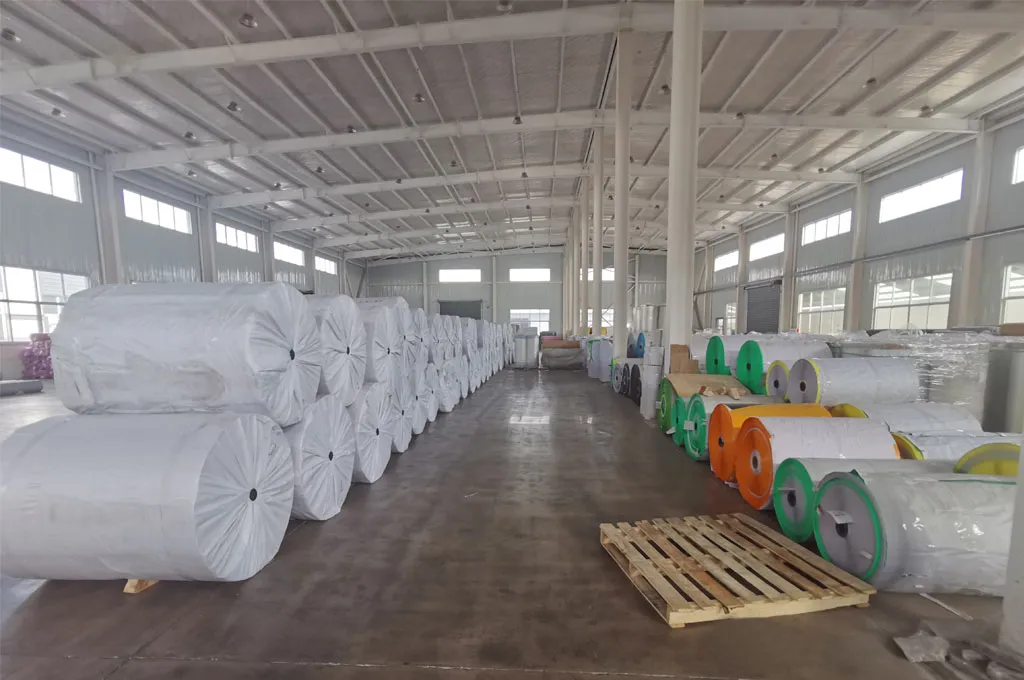
PVC film is widely used for decoration, packaging, and surface protection, but many users notice it performs poorly when exposed to strong acids or alkalis. This article explains the chemical and practical reasons behind that vulnerability and offers clear, actionable ways to improve performance or choose better materials for corrosive environments.
Alkalis (strong bases) promote dehydrochlorination of PVC. Under alkaline conditions—especially at elevated temperatures—PVC chains can eliminate hydrogen chloride (HCl), creating conjugated double bonds. This process leads to discoloration (yellowing to brown), loss of mechanical strength, and surface embrittlement. Once dehydrochlorination starts it can accelerate along the surface, causing visible degradation and eventual failure.
Hydroxide ions (OH−) abstract labile hydrogen atoms adjacent to chlorine atoms on the polymer chain, causing elimination of HCl and formation of unsaturated segments. The liberated HCl can further catalyze other degradation pathways when trapped in micro-environments.
While PVC is often tolerant of mild, non-oxidizing acids, strong or oxidizing acids (e.g., nitric acid, concentrated sulfuric acid) can oxidize additives, attack printing layers and coatings, or catalyze dehydrochlorination indirectly. Many surface treatments, inks, and plasticizers are sensitive to acid, so even if the polymer backbone remains mostly intact, the functional surface properties will deteriorate.
Plasticized PVC contains low-molecular-weight plasticizers (commonly phthalates) to make the film flexible. Acids and alkalis can extract or chemically alter these plasticizers and other additives (stabilizers, slip agents, pigments). Loss of plasticizer makes the film stiff and brittle; damage to stabilizers accelerates thermal and chemical breakdown.
Exposure to corrosive chemicals often causes:
– Surface discoloration and staining (yellowing, darkening).
– Increased brittleness and cracking over time.
– Loss of adhesion for printed inks, laminates, or self-adhesive backings.
– Reduced barrier performance as micro-cracks form and propagate.
There are several approaches to reduce risk when PVC must be used near corrosive agents:
1. Use rigid (unplasticized) PVC (uPVC) where possible — fewer extractables and better thermal/chemical stability than plasticized grades.
2. Select films with high-grade stabilizers (modern Ca-Zn or Ba-Zn systems) formulated for chemical resistance.
3. Add protective coatings or laminates (chemical-resistant top coats) to isolate the PVC surface from direct exposure.
4. Avoid prolonged exposure to concentrated acids/alkalis and high temperatures; rinse spills quickly with neutralizing agents and water.
5. Consider alternative polymers (PVDF, PTFE, HDPE) for continuous exposure to strong acids/alkalis.
| Material | Resistance to Dilute Acids | Resistance to Dilute Alkalis | Typical Use |
|---|---|---|---|
| PVC (rigid, uPVC) | Good (non-oxidizing) | Moderate–Poor (risk of dehydrochlorination) | Construction profiles, protective film |
| PVC (plasticized) | Fair (plasticizer leaching possible) | Poor (plasticizer extraction, embrittlement) | Decorative films, flexible wraps |
| HDPE / PE | Good | Good | Chemical containers, liners |
| PVDF | Excellent | Excellent | High-corrosion environments |
| PTFE | Outstanding | Outstanding | Severe chemical service, seals |
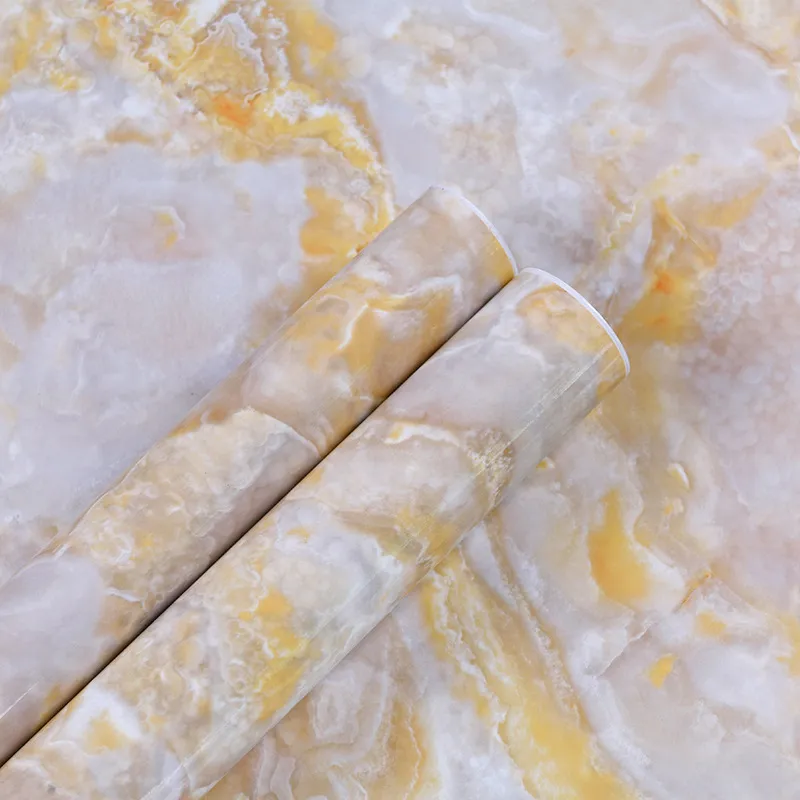
Before deploying PVC film in environments with potential chemical exposure, run simple spot tests: apply a small quantity of the actual acid/alkali at the anticipated concentration and temperature for an accelerated time, then inspect for color change, tack, cracking, or loss of adhesion. For long-term or continuous exposure, consider upgrading to chemically resistant materials.
If you need tailored film specifications—like improved stabilizers, specific surface coatings, or OEM customization—reach out to your production partner. Pulivk (Henan Pulivk New Materials Co., Ltd.) offers in-house calendering, printing, and split-packaging and can advise on formulations and laminates suited to harsher chemical conditions: https://pvcfilmtec.com/