Address
304 North Cardinal St.
Dorchester Center, MA 02124
Work Hours
Monday to Friday: 7AM - 7PM
Weekend: 10AM - 5PM
Address
304 North Cardinal St.
Dorchester Center, MA 02124
Work Hours
Monday to Friday: 7AM - 7PM
Weekend: 10AM - 5PM


Choosing between PVC transparent film and PET film affects durability, clarity, printability, and cost. This guide compares their material properties, common applications, environmental considerations, and practical tips to help designers, packagers, and buyers make the right selection.
PVC transparent film (polyvinyl chloride) is a flexible, calendered plastic film used widely in packaging, decorative wrap, and protective overlays. It offers excellent printability and surface finish options (glossy, matte, textured). PET (polyethylene terephthalate) film is known for high clarity, strength, and dimensional stability — often used for rigid packaging, labels, and high-barrier film structures.
| Property | PVC Transparent Film | PET Film |
|---|---|---|
| Clarity | Good (varies with additives) | Excellent |
| Flexibility | High | Moderate |
| Tensile Strength | Moderate | High |
| Temperature Resistance | Lower | Higher |
| Typical Uses | Decorative films, protective overlays, furniture wrap | Clear packaging, labels, barrier lamination |
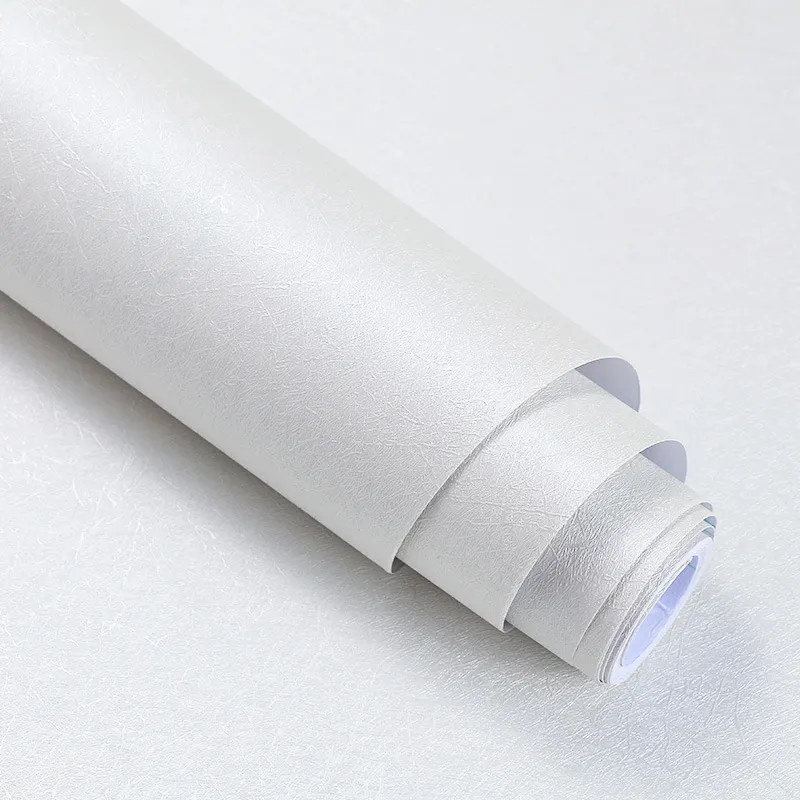
Both materials support a range of printing methods, but PVC is often easier to calender and texture, enabling decorative finishes like silk, gloss, and embossed effects. PET’s smooth surface supports high-resolution prints and is commonly used where clarity and sharp imaging are priorities. Consider surface treatment (corona, primer) to improve ink adhesion for both films.
PET is widely recyclable and preferred for applications where recycling infrastructure exists. PVC poses more recycling challenges and can release harmful additives when incinerated; however, modern formulations and responsible manufacturing reduce risks. When choosing, weigh life-cycle impact against required performance. For food-contact or medical-grade needs, verify regulatory compliance and certifications for either film.
When sourcing film for commercial projects, assess a supplier’s in-house capabilities: calendering, printing, split-packaging, and QC systems shorten lead times and ensure consistent quality. Manufacturers with flexible OEM services can deliver custom widths, prints, and protective packaging that suit international export requirements.
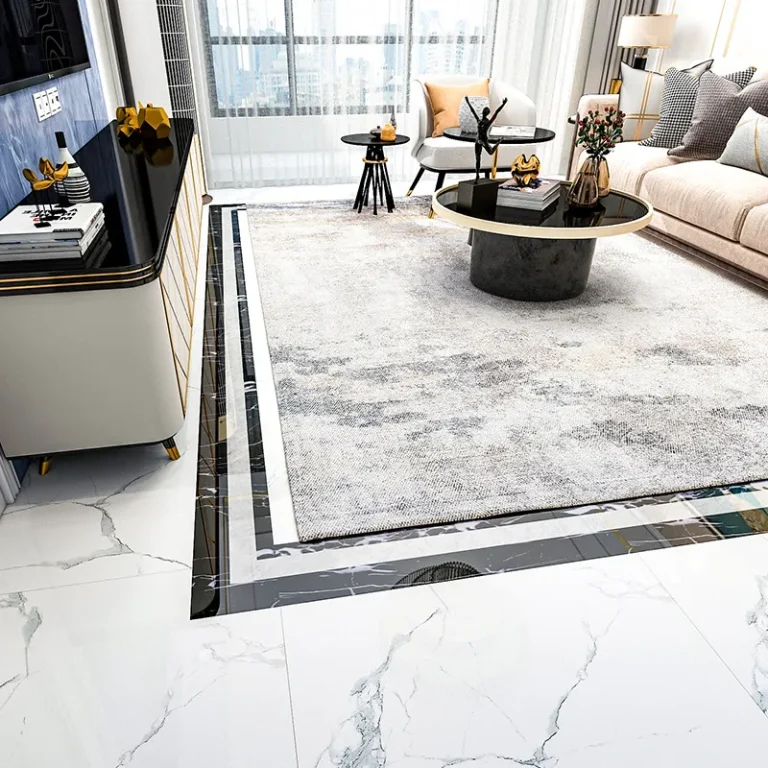
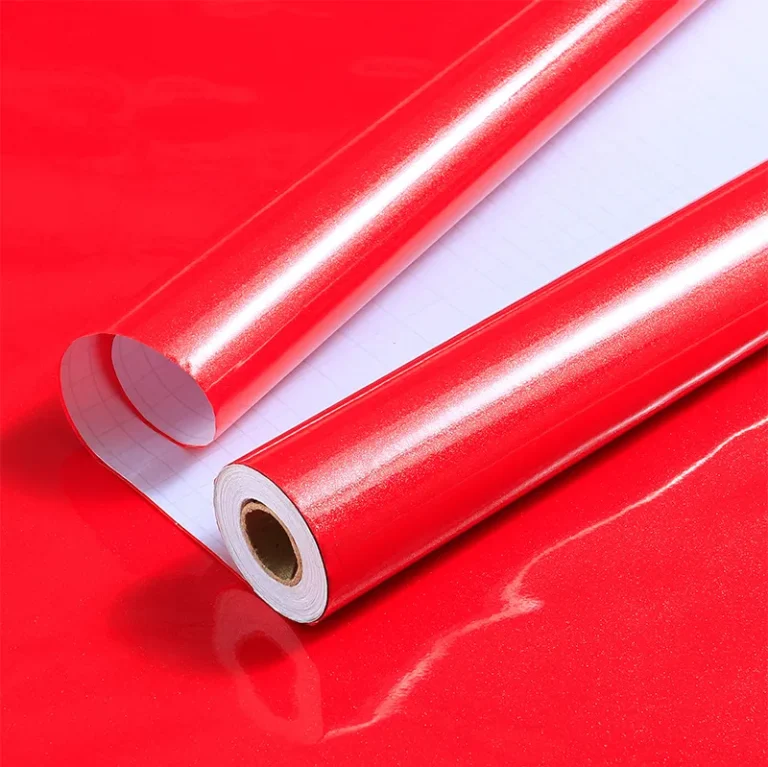
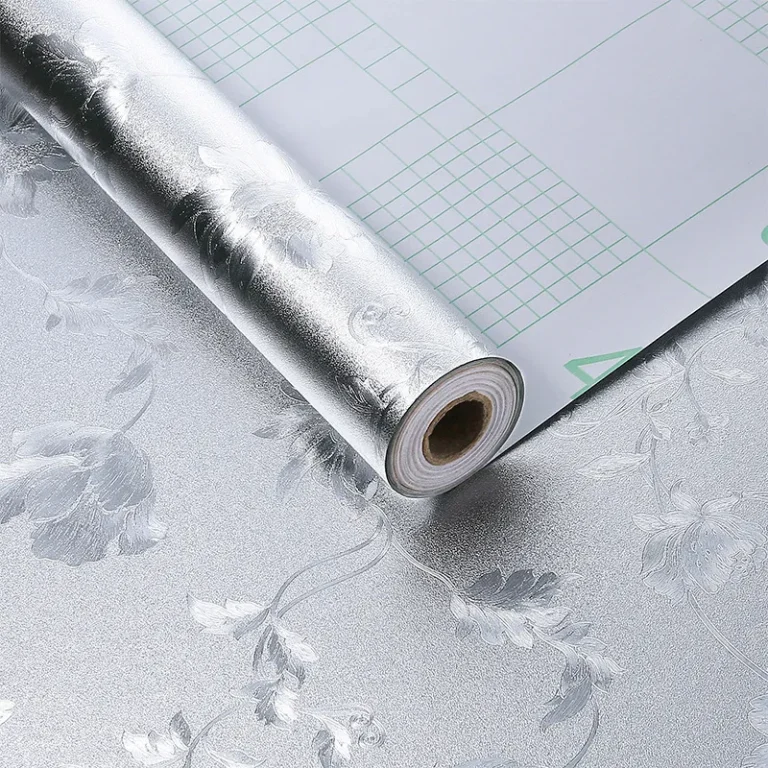
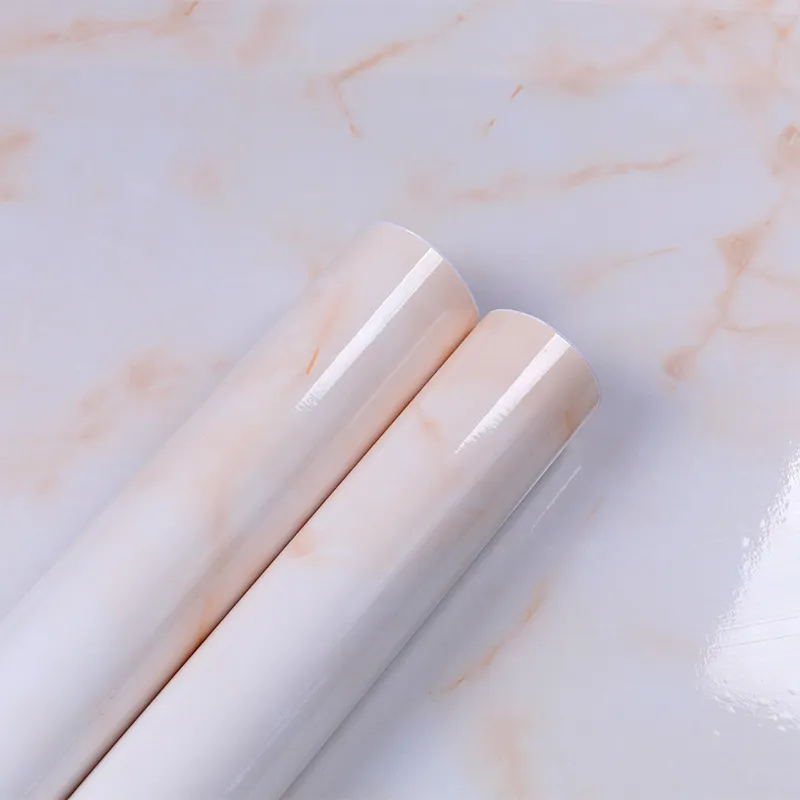
Calendered PVC film allows consistent texture replication (wood grain, marble, silk) and economical customization. For furniture veneer and wardrobe overlays, PVC delivers appealing surfaces with cost savings versus solid materials while allowing fast installation and replacement.
About the manufacturer: Pulivk — Henan Pulivk New Materials Co., Ltd. operates full in-house production with calendering, printing, and split-packaging lines to control quality and lead times. Visit https://pvcfilmtec.com/ for product details and OEM options.
Select PET when clarity, strength, and recyclability are priorities. Choose PVC transparent film for creative finishes, flexibility, and cost-effective decorative applications. Evaluate project-specific needs and request technical samples to confirm the best match.