Address
304 North Cardinal St.
Dorchester Center, MA 02124
Work Hours
Monday to Friday: 7AM - 7PM
Weekend: 10AM - 5PM
Address
304 North Cardinal St.
Dorchester Center, MA 02124
Work Hours
Monday to Friday: 7AM - 7PM
Weekend: 10AM - 5PM


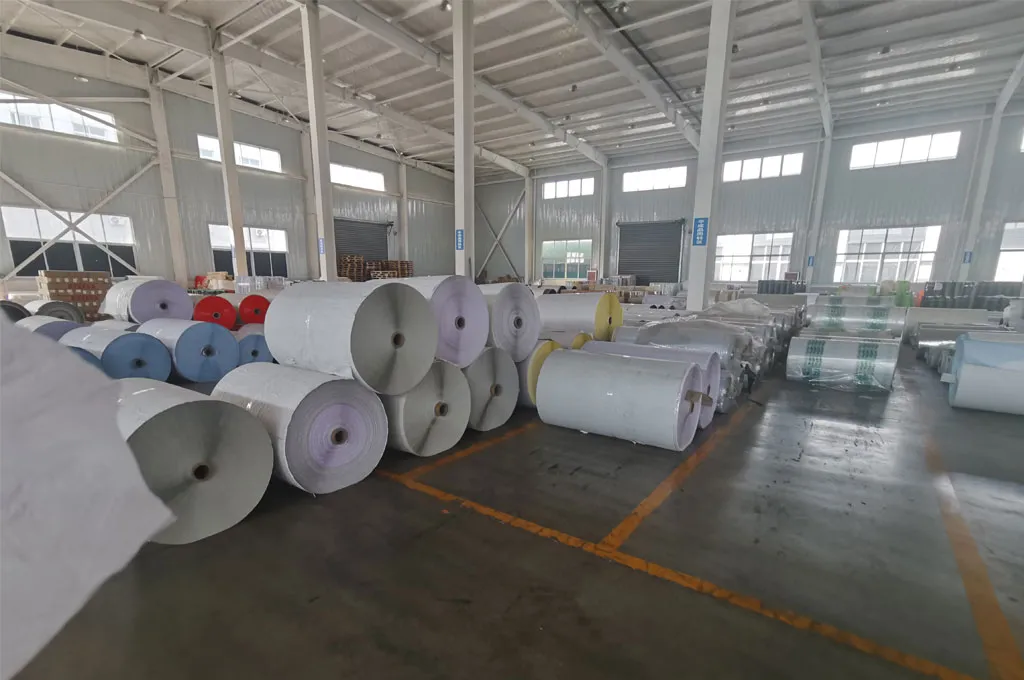
Window tint films are a smart upgrade for homes, offices, and vehicles—reducing heat, blocking UV rays, improving privacy, and adding style. This guide explains the main types of solar window films, how they work, and practical tips to choose the right film for your needs.
Solar window films combine layers of polyester, adhesives, and coatings to control light and heat. Most films work by absorbing, reflecting, or filtering solar energy: some focus on heat rejection, others maximize UV blocking or preserve outward visibility while delivering privacy.
Dyed films contain a dyed layer that absorbs solar energy and reduces glare. They are budget-friendly and improve aesthetics but offer moderate heat rejection and may fade over time.
Metalized films embed tiny metallic particles that reflect heat and strengthen the glass. They provide strong heat rejection and durability, but can slightly affect phone/GPS signal reception.
Carbon films deliver good heat rejection without metallic components, keeping signal interference minimal. They have a matte finish and excellent long-term color stability.
Ceramic films use non-conductive ceramic particles to block infrared and UV light while maintaining high visible light transmission. They offer top-tier heat rejection, clarity, and durable performance—often the best choice where comfort and appearance matter most.
Hybrid films combine dyed, metalized, carbon, or ceramic layers to balance cost and performance. These multi-layer constructions can deliver tailored properties: enhanced UV protection, improved heat rejection, and better scratch resistance.
Spectrally selective films precisely filter specific wavelengths—blocking infrared heat and UV while allowing visible light. Ideal for offices and high-rise apartments where preserving daylight is crucial while controlling solar heat gain.
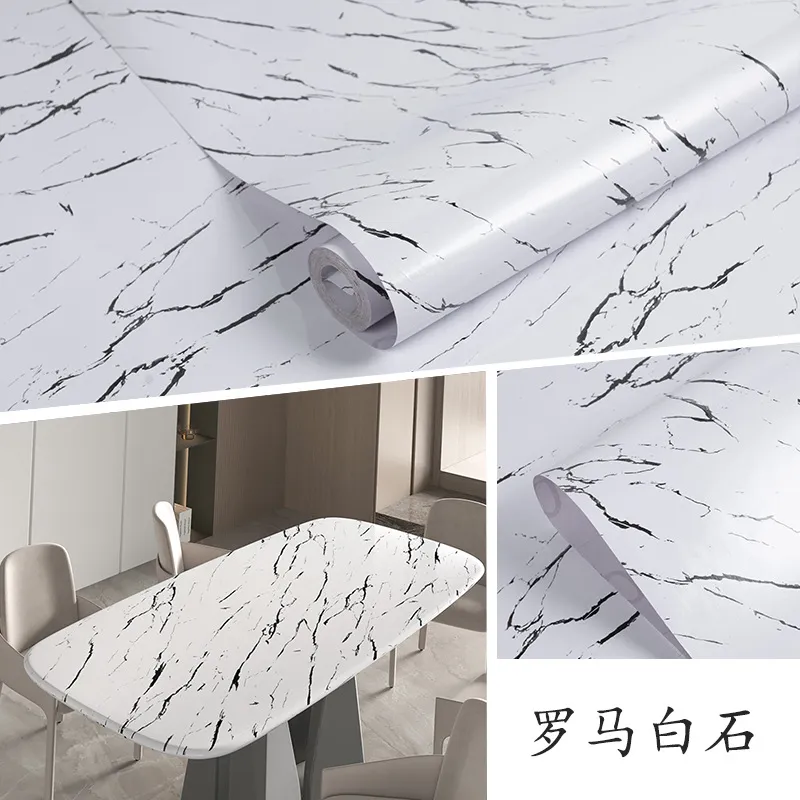
Decorative films include frosted, etched, patterned, or colored options that provide privacy and aesthetic enhancement. They don’t always prioritize heat rejection but are perfect for bathrooms, conference rooms, and retail displays.
| Film Type | Heat Rejection | UV Block | Clarity / Aesthetics | Best For |
|---|---|---|---|---|
| Dyed | Low–Moderate | Moderate | Good initial color, may fade | Budget car tint, decorative home glass |
| Metalized | High | High | Reflective finish | Vehicles, commercial façades |
| Carbon | Moderate–High | High | Matte, non-reflective | Premium car tint, modern interiors |
| Ceramic | Very High | Very High | Excellent clarity | Luxury cars, offices, windows requiring clarity |
| Spectrally Selective | High (targeted) | Very High | High, neutral tint | High-rise glazing, energy-focused retrofits |
| Decorative / Privacy | Low–Varies | Varies | Stylish / patterned | Bathrooms, meeting rooms, storefronts |
Heat rejection (infrared control), UV blocking (percent of UV rays blocked), Visible Light Transmission (VLT), and glare reduction are the primary specs. For homes and offices, prioritize high UV blocking and good heat rejection while preserving daylight. For vehicles, balance privacy and visibility with legal VLT limits in your area.
Decide whether you want to reduce energy bills, protect furnishings from UV fading, boost privacy, or improve comfort. Films optimized for heat and UV control help all of these.
If maintaining natural light and an unobstructed view matters, choose ceramic or spectrally selective films. For decorative needs, frosted or patterned films offer style and privacy.
Look for scratch-resistant coatings, stable dyes, and manufacturer warranties. Higher-performance films often cost more up front but last longer and deliver better value.
Professional installation ensures smooth, bubble-free application and correct edge sealing. For maintenance, use gentle, non-ammonia cleaners and soft cloths. Avoid rolling down tinted car windows for a few days after installation to allow adhesives to set.
Homes: reduce cooling loads, protect furniture, add privacy. Offices: lower glare on screens and reduce HVAC costs. Cars: enhanced comfort, privacy, UV protection. Retail: decorative branding plus sun control.
Dyed films are the most affordable but offer lower long-term performance. Metalized and carbon films provide robust heat control at mid-range prices. Ceramic and spectrally selective films are premium options with the best longevity and thermal performance—often worth the extra investment in climates with strong sun.
For bulk orders or custom sizes and prints, consider manufacturers that offer in-house production and OEM flexibility. Pulivk has full in-house manufacturing capabilities to support custom specifications and reliable lead times.
Selecting the right window film comes down to matching performance, appearance, and budget to the intended application. When in doubt, request samples and compare performance data (UV%, IR rejection, VLT) to make an informed choice.