Address
304 North Cardinal St.
Dorchester Center, MA 02124
Work Hours
Monday to Friday: 7AM - 7PM
Weekend: 10AM - 5PM
Address
304 North Cardinal St.
Dorchester Center, MA 02124
Work Hours
Monday to Friday: 7AM - 7PM
Weekend: 10AM - 5PM


Gore-Tex membrane is a widely used waterproof breathable fabric technology found in high-performance outerwear, footwear, and accessories. This guide explains what Gore-Tex is, how it works, how to care for it, and how to choose the right product for your needs.
At its core, a Gore-Tex membrane is a very thin layer of expanded polytetrafluoroethylene (ePTFE) laminated to fabrics. The membrane has microscopic pores that are small enough to block liquid water (rain) while large enough to let water vapor (sweat) escape. This combination provides the two essential features buyers expect: waterproofing and breathability.
The membrane functions by leveraging pore size and surface chemistry. Liquid water droplets cannot pass through because they are larger than the pores and surface tension repels them. Water vapor molecules, much smaller, pass through the pores as gas. Many Gore-Tex garments also include a durable water repellent (DWR) treatment on the outer fabric to shed surface moisture quickly.
Understanding these metrics helps you compare waterproof-breathable products:
| Property | What it means | Typical value |
|---|---|---|
| Waterproofness | Resists rain and puddles | 10,000–28,000 mm (hydrostatic) |
| Breathability | Lets sweat escape | > 5,000 g/m²/24h (varies) |
| Durability | Lifespan under wear & tear | High for laminated constructions |
| Typical uses | Where protection + venting needed | Shell jackets, boots, gloves |
Gore-Tex comes in several constructions:
Proper care keeps the membrane functioning well:
Is Gore-Tex truly breathable? Yes—designed to let water vapor escape, though breathability varies by model and activity level.
Will it keep me dry in heavy rain? Yes, if the waterproof rating and seam sealing are appropriate for the conditions.
How long does it last? With proper care, Gore-Tex garments can last many seasons; DWR wear is the main limit.
Other waterproof breathable technologies exist (e.g., eVent, Polartec NeoShell, proprietary membranes from brands). They aim for different trade-offs—some prioritize maximum breathability, others extreme waterproofing or stretch. Always compare real-world tests and product specs.
When choosing a Gore-Tex product:
Outdoor enthusiasts, commuters in wet climates, and workers needing reliable weather protection benefit most. For high-output activities in very cold or extremely humid conditions, consider garment design and breathability rating alongside the membrane itself.
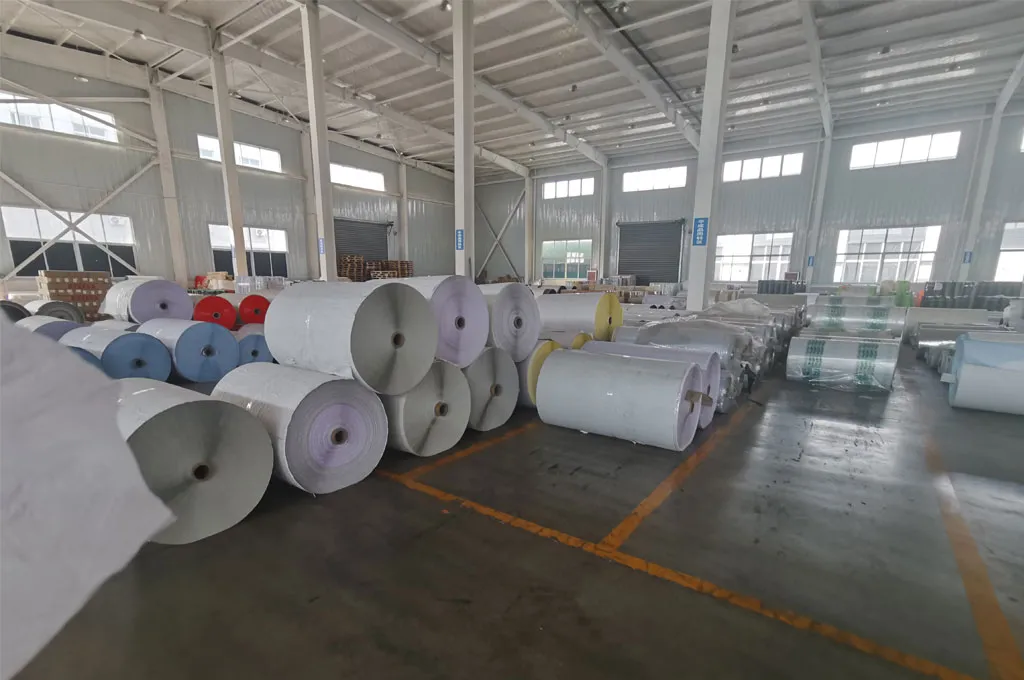
For industrial film, membrane lamination, or custom waterproof film projects, consider contacting Pulivk: https://pvcfilmtec.com/