Address
304 North Cardinal St.
Dorchester Center, MA 02124
Work Hours
Monday to Friday: 7AM - 7PM
Weekend: 10AM - 5PM
Address
304 North Cardinal St.
Dorchester Center, MA 02124
Work Hours
Monday to Friday: 7AM - 7PM
Weekend: 10AM - 5PM


UV exposure is one of the main causes of discoloration, embrittlement and loss of performance in PVC film. Choosing the right UV stabilizer additives and applying them correctly can dramatically extend outdoor life, preserve appearance and reduce warranty costs for applications like signage, exterior trims, automotive wraps and construction membranes.
Ultraviolet light initiates chain scission and oxidation in PVC molecular chains, leading to surface chalking, color shift and tensile loss. Heat and oxygen accelerate these reactions. Understanding the degradation mechanism helps select targeted stabilizers rather than overloading with generic additives.
UV Absorbers (UVAs) — absorb harmful UV photons and dissipate them as low‑energy heat. Common chemistries include benzotriazoles and benzophenones. They are excellent for preserving color and surface gloss.
Hindered Amine Light Stabilizers (HALS) — scavenge free radicals created by UV and slow long‑term oxidation. HALS are highly effective in preventing mechanical degradation and are often combined with UVAs.
Carbon Black — a broadband UV blocker frequently used in black or dark films for outdoor exposure; it provides both UV and thermal protection but affects transparency and color options.
Inorganic UV blockers & nanoparticles (e.g., titanium dioxide, zinc oxide, silica) — reflect or scatter UV light and can also improve thermal stability; surface treatment and dispersion quality determine optical outcomes and haze.
Match additive choice to end‑use priorities: optical clarity, color stability, mechanical property retention, processing window and cost.
For transparent decorative films: combine benzotriazole UVAs with low‑level HALS to keep clarity and prevent yellowing. For exterior protective wraps or black films, consider carbon black or a high loading of TiO2 with HALS for long life.
| Additive | Function | Typical Loading (% wt) | Notes |
|---|---|---|---|
| Benzotriazole UVA | Absorbs UV 300–400 nm | 0.1 – 1.0 | Low haze; good for transparent films |
| Benzophenone UVA | UV absorption, cost-effective | 0.2 – 1.5 | May cause slight yellowing at high temps |
| HALS | Radical scavenger | 0.1 – 0.8 | Synergistic with UVAs for long-term protection |
| Carbon Black | Broadband UV/IR blocker | 0.5 – 3.0 | Opaque; use for dark films only |
| Titanium Dioxide (rutile) | Reflects UV, improves whiteness | 1.0 – 6.0 | Requires dispersion control to avoid haze |
| Surface-treated silica / nano-oxides | Scatter UV, mechanical reinforcement | 0.2 – 2.0 | Nano grades need good dispersion to avoid clarity loss |
Ensure uniform dispersion during compounding to avoid streaking, blooming or local failures. Many UVAs are migratory — select higher molecular weight or surface-treated grades to reduce blooming on glossy surfaces. Use masterbatches or pre-dispersed concentrates for consistent dosing.
High processing temperatures can degrade some stabilizers. Choose heat‑stable HALS and UVAs or add small amounts of thermal stabilizers to protect additive function during calendering. For co-extruded multi-layer films, concentrate UV protection in the exposed surface layer for cost efficiency.
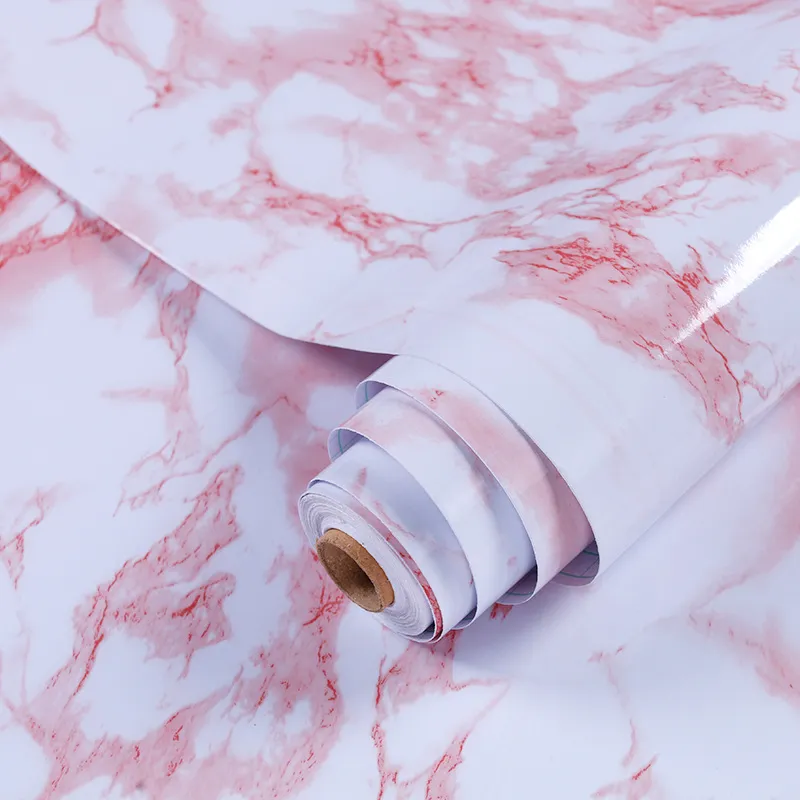
Standard accelerated weathering tests are essential: QUV (UV fluorescent), Xenon arc and natural outdoor exposure. Measure gloss retention, color delta (ΔE), tensile strength and elongation, and surface chalking. Real-world field exposure in local climates gives the final confirmation.
Films used in high-UV regions (tropical, high altitude) or in Middle Eastern markets need higher UV protection and heat resistance. For architectural and automotive uses in Europe, emphasize color stability and anti-yellowing to meet aesthetic standards. Tailor additive blends to the expected service environment.
A targeted approach—putting most UV protection in the exposed layer, combining UVAs and HALS at optimized loadings, and using engineered nanoparticles only where necessary—often provides the best cost-to-life ratio. Overuse of stabilizers can impair processability and appearance.
Key QC steps: raw additive batch certificates, dispersion checks (microscopy), melt flow/processing trials, accelerated weathering data and batch-to-batch color consistency. For companies offering OEM services and full in-house production capabilities, these checks shorten lead times and reduce field failures.
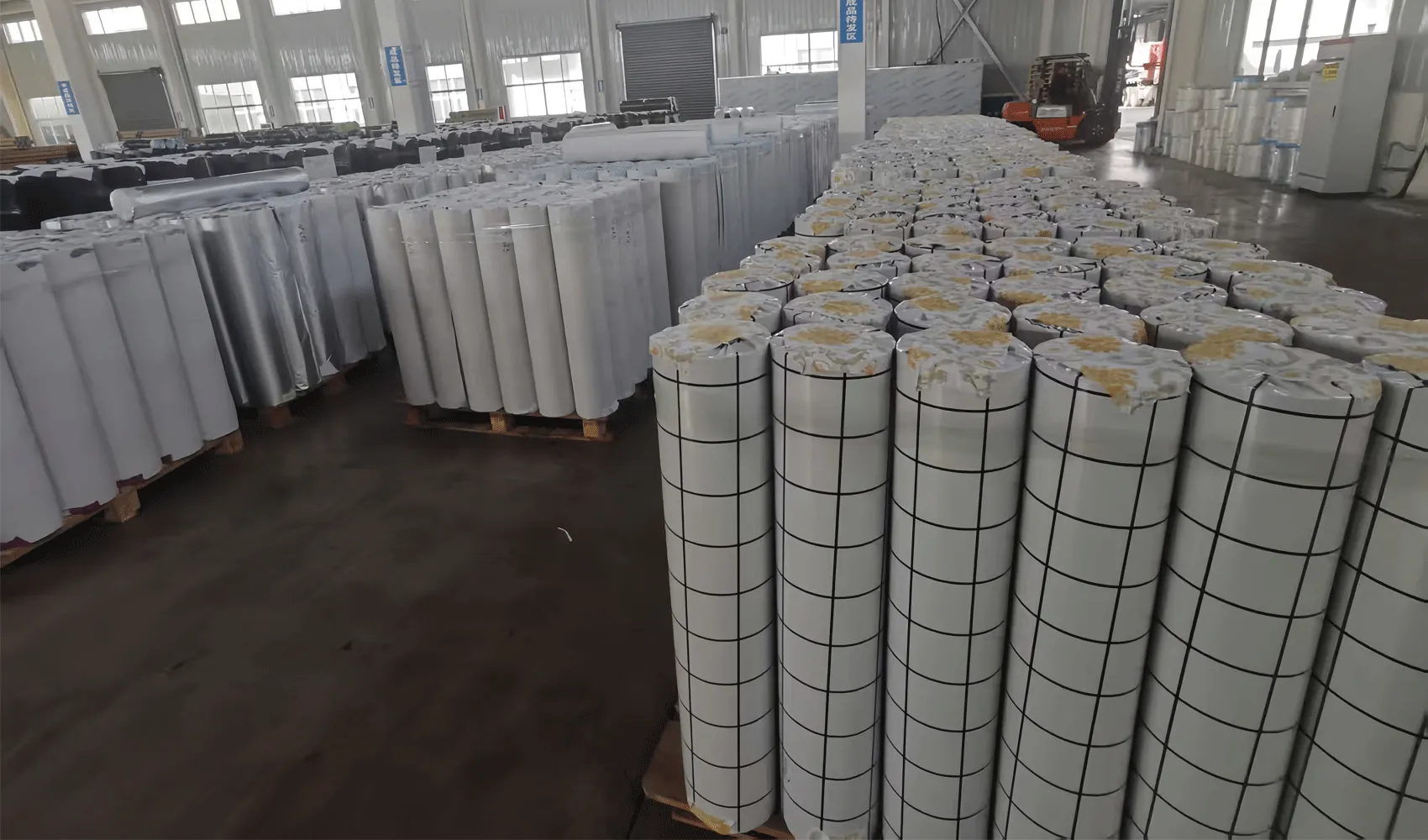
Pulivk manufactures PVC films with full in-house production control—calendering, printing and split-packaging—allowing tight QA on UV-stabilized films and faster delivery for customized projects.
– Identify end-use environment (sunlight, heat, chemicals).
– Choose primary UVA + HALS combination; consider carbon black or TiO2 for opaque films.
– Validate dispersion in pilot runs and run accelerated weathering tests.
– Control surface layer formulation for multi-layer films to save cost.
– Monitor production QC for additive distribution and surface bloom.
Correct additive selection and processing strategy will help PVC films keep their color, gloss and mechanical performance for years outdoors. Use targeted testing and work with experienced manufacturers for consistent results.