Address
304 North Cardinal St.
Dorchester Center, MA 02124
Work Hours
Monday to Friday: 7AM - 7PM
Weekend: 10AM - 5PM
Address
304 North Cardinal St.
Dorchester Center, MA 02124
Work Hours
Monday to Friday: 7AM - 7PM
Weekend: 10AM - 5PM


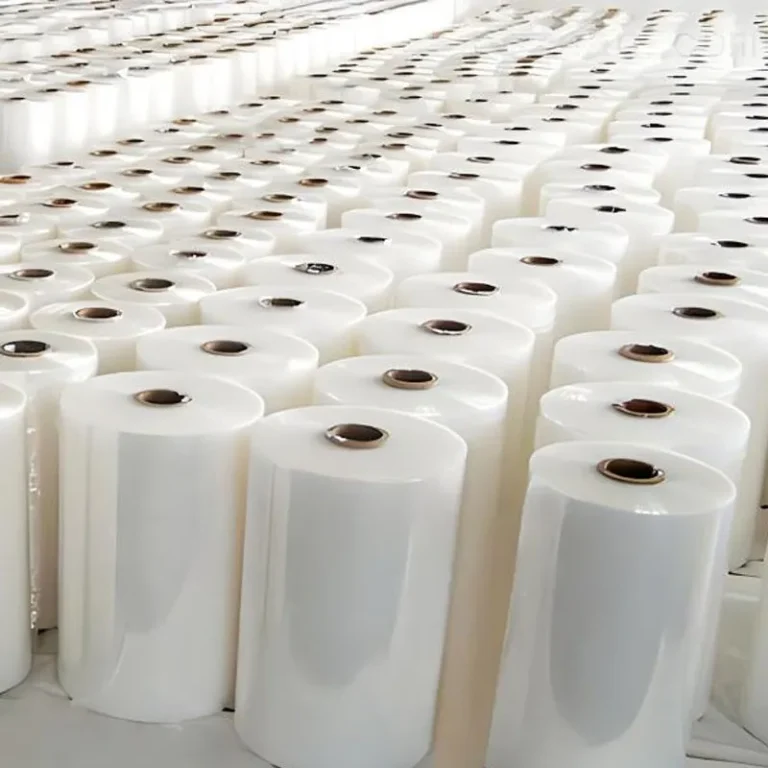
PE stretch film (often called PE stretch wrap) is a versatile polyethylene film used to secure, protect, and bundle goods during storage and transport. This guide explains what it is, how it works, common types, real-world applications, and practical tips for choosing the best film for your needs.
PE stretch film is a thin, elastic plastic film made from polyethylene resins (commonly LLDPE or LDPE). Its combination of elasticity and cling allows wraps to stretch around a load and hold it tightly without adhesives. There are two primary manufacturing methods—cast and blown—each delivering different mechanical properties.
Hand Stretch Film: Designed for manual wrapping of pallets and small loads. Easy to tear and use for ad-hoc packing.
Machine Stretch Film: Optimized for automatic or semi-automatic stretch wrappers; provides high consistency and lower film usage per pallet.
Pre-Stretched Film: Pre-elongated at production to reduce operator force and film consumption while maintaining load-holding force.
Specialty Films: Colored, UV-stabilized, anti-static, high-performance (puncture-resistant) and recyclable blends tailored to specific needs.
Cast film usually offers better clarity, lower gauge variability, and smoother feel—often preferred for hand use and retail packaging. Blown film tends to have better puncture resistance and memory (rebound), which helps stabilize irregular or heavy loads.
Load Unitization: Tight wrapping prevents product shifting and reduces damage during transport.
Dust & Moisture Protection: Provides a barrier against contaminants and light moisture.
Cost Efficiency: Modern films offer high performance at thin gauges, lowering material costs and shipping weight.
Visibility & Tamper Evidence: Clear films allow labeling visibility while colored or printed films can hide contents or show tamper signs.
Pallet wrapping in warehouses and distribution centers, bundling small items for retail, securing goods for e-commerce shipments, protecting finished furniture surfaces, and temporary protection for construction materials are the most common uses.
Specialty PE films are used in the electronics and chemical sectors where anti-static or chemical resistance is required.
| Film Type | Thickness (mic) | Common Widths (mm) | Typical Use |
|---|---|---|---|
| Hand Stretch Film | 12–23 | 300, 500 | Manual wrapping, small loads |
| Machine Stretch Film | 15–35 | 500, 1000 | Automated pallet wrapping |
| Pre-Stretched Film | 8–20 | 300, 500 | Lower film consumption, faster wrapping |
Evaluate load type: Heavy, sharp-edged items need higher puncture resistance. Irregular loads benefit from blown film memory.
Consider wrapping method: Hand wrapping favors cast films for clarity and feel; machine wrapping favors films with controlled pre-stretch and uniform thickness.
Optimize film gauge: Thinner gauges with higher performance formulations can reduce cost and waste.
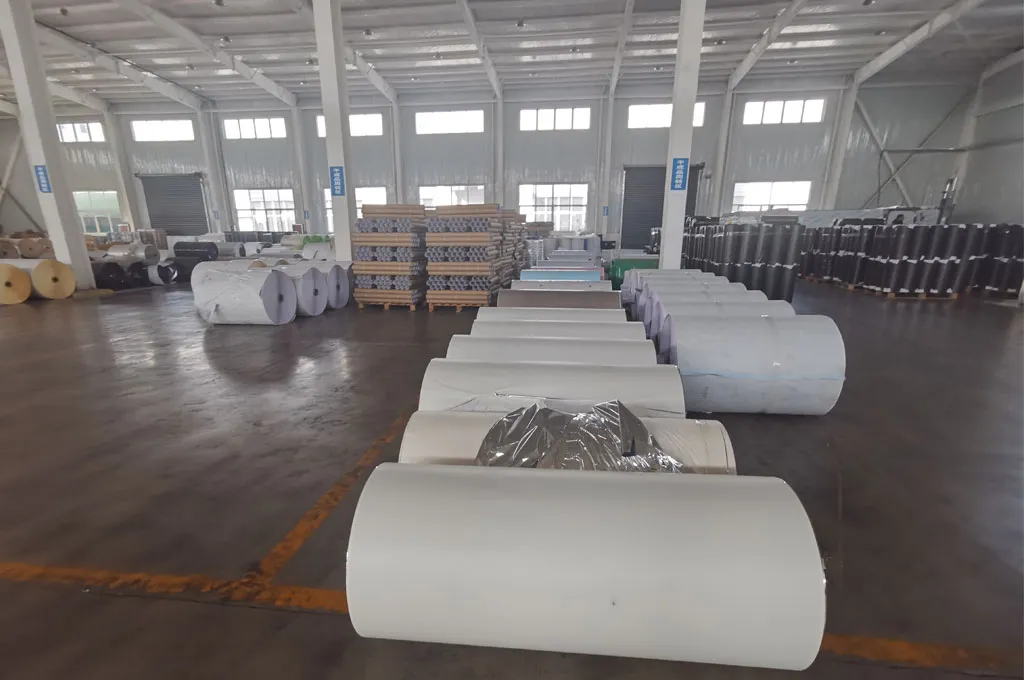
Wrap with consistent tension and apply 50%+ overlap per layer for stability. Secure the film tail under the last wrap or use heat-seal edges if available. Protect pallet corners with corner boards when stacking tall loads.
Many PE stretch films are recyclable where local facilities accept LDPE/LLDPE (film category). Choose thinner high-performance films and pre-stretched options to reduce material use. Ask suppliers about post-consumer recycled (PCR) content and take-back programs.
When ordering, request sample rolls to test in your wrapping process (hand or machine). Check for consistent gauge, cling performance, and tear resistance. For industrial supply from China, consider manufacturers with full in-house production and QC—such as Pulivk (https://pvcfilmtec.com/).
Q: Can PE stretch film secure odd-shaped loads? A: Yes—its elasticity and memory allow it to conform and hold irregular shapes tightly when wrapped correctly.
Q: Is stretch film the same as shrink film? A: No. Stretch film relies on tension and wrap memory to hold loads, while shrink film requires heat to shrink and conform to the product.
Use this guide to match film type and specs to your operation. Selecting the right PE stretch film improves load protection, reduces material cost, and speeds packing—delivering tangible savings across logistics and warehousing.