Address
304 North Cardinal St.
Dorchester Center, MA 02124
Work Hours
Monday to Friday: 7AM - 7PM
Weekend: 10AM - 5PM
Address
304 North Cardinal St.
Dorchester Center, MA 02124
Work Hours
Monday to Friday: 7AM - 7PM
Weekend: 10AM - 5PM


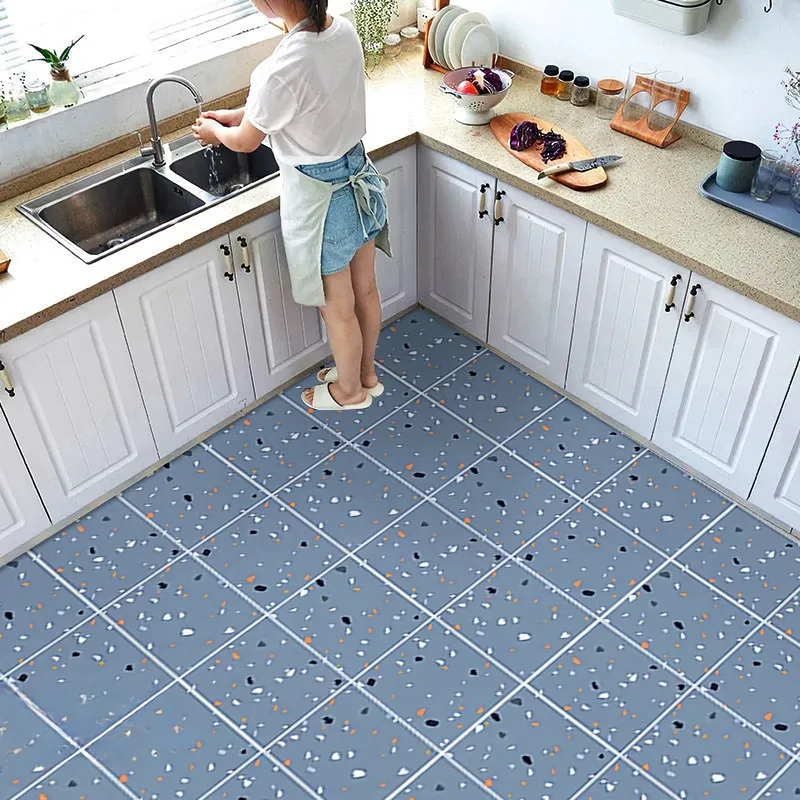
Choosing between PETG film and PVC film can feel overwhelming for designers, product engineers, and purchasing teams. This guide breaks down the key differences, benefits, and best-use scenarios so you can pick the right film for packaging, furniture wraps, signage, or industrial applications.
At a glance: PETG (polyethylene terephthalate glycol) offers clarity and chemical resistance, while PVC (polyvinyl chloride) delivers cost-effective durability and versatile surface finishes.
| Property | PETG Film | PVC Film |
|---|---|---|
| Clarity & Gloss | High optical clarity and glossy finish | Available in gloss, matte, textured, and wood-grain |
| Flexibility & Formability | Good thermoformability; holds shape well | Excellent flexibility; easy to calender and emboss |
| Chemical & Heat Resistance | Better resistance to chemicals and higher temps | Moderate chemical resistance; lower heat tolerance |
| Durability & Scratch Resistance | Good scratch resistance; strong impact resistance | Durable; can be surface-treated for hardness |
| Cost | Usually higher material cost | Generally more cost-effective for large volumes |
| Common Applications | Medical packaging, clear displays, protective covers | Decorative furniture film, flooring, wall coverings, labels |
Clarity and transparency: PETG delivers near-glass clarity, making it ideal for protective covers, retail display windows, and clear packaging.
Chemical & temperature stability: PETG withstands common disinfectants and higher process temperatures, which is why it’s widely used in medical and food-contact applications.
Formability: Excellent for vacuum forming and thermoforming — useful for molded packaging and shaped display elements.
Design versatility: PVC can be calendered, embossed, printed, and finished in a wide variety of textures, patterns, and colors — including wood grain and marble effects.
Cost-effectiveness: Typically lower priced for large-volume decorative applications such as furniture wraps, skirting, and floor films.
Durability and surface options: PVC can be made with anti-scratch coatings, anti-slip textures, or matte/gloss finishes to meet specific functional needs.
Packaging & food-contact: Choose PETG when high transparency, chemical resistance, and regulatory suitability are required.
Retail displays & medical trays: PETG is preferred for formed trays and display lenses where clarity and strength matter.
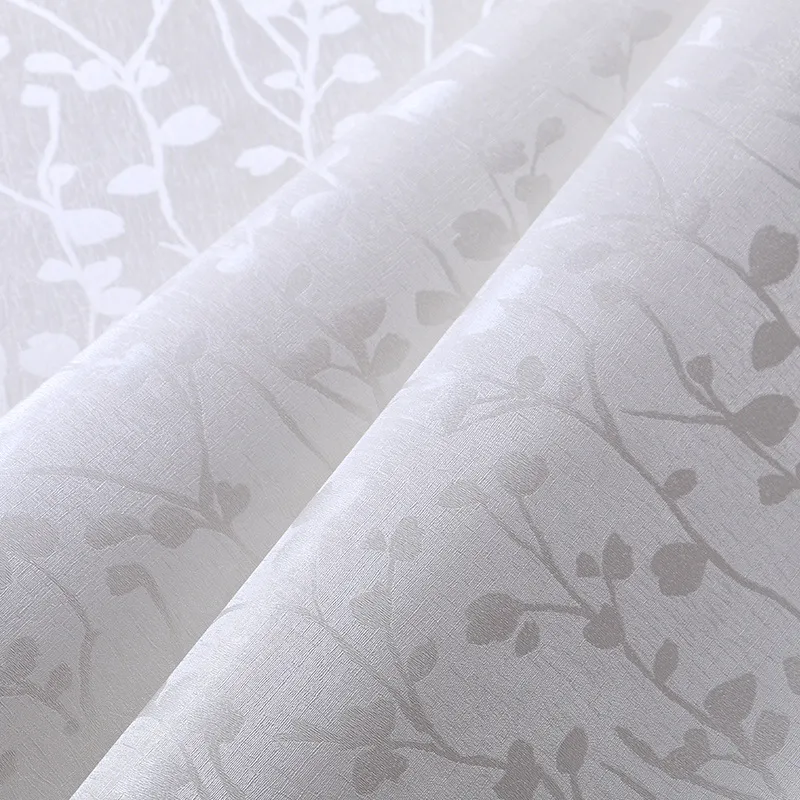
Interior decoration & furniture wrap: PVC is the top choice for decorative finishes, affordable renovation projects, and printed designs.
Flooring and skirting: PVC films with anti-slip and waterproof coatings are ideal for bathrooms, kitchens, and high-traffic areas.
Signage & labels: PETG for clear rigid signage; PVC for flexible banners, wraps, and textured promotional materials.
What are the available thicknesses and recommended uses for each film type?
Can the film withstand my process temperatures (lamination, thermoforming, printing)?
Which finishes, coatings, or surface treatments do you support (anti-scratch, PE coating, adhesive backing)?
Do you provide test certifications for food-contact, flame retardancy, or other regulatory needs?
| Spec | What to check |
|---|---|
| Thickness | Choose based on rigidity needs: thin films for wraps, thicker for protective rigid parts. |
| Finish | Glossy for clarity, matte or textured for hiding imperfections and anti-slip. |
| Adhesion & Backing | Confirm adhesive type, peel strength, and whether split-packaging or individual roll wrapping is available. |
| Temperature tolerance | Ensure compatibility with your forming, sterilization, or environmental exposure conditions. |
Surface prep: Clean and degrease substrates before applying decorative films to ensure long-term adhesion.
Test runs: Request samples and perform a small production trial — especially for thermoforming or calendered finishes.
Customization: For bespoke colors, prints, or roll lengths ask about OEM support and split-packaging options.
Is PETG safer than PVC for food packaging? PETG often has advantages for food-contact due to better chemical resistance and clarity; always check supplier certifications.
Can PVC films be used outdoors? Some PVC formulations are UV-stabilized for limited outdoor use, but long-term exterior exposure may cause fading—ask about UV additives.
Which film is easier to print on? Both can be printed, but surface treatment and coating dictate print adhesion — confirm printer compatibility and pre-treatment options.
If you need custom sizes, finishes, or reliable production capacity, consider manufacturers with full in-house lines for calendering, printing, and split-packaging — Pulivk provides integrated production to control quality and lead times.