Address
304 North Cardinal St.
Dorchester Center, MA 02124
Work Hours
Monday to Friday: 7AM - 7PM
Weekend: 10AM - 5PM
Address
304 North Cardinal St.
Dorchester Center, MA 02124
Work Hours
Monday to Friday: 7AM - 7PM
Weekend: 10AM - 5PM


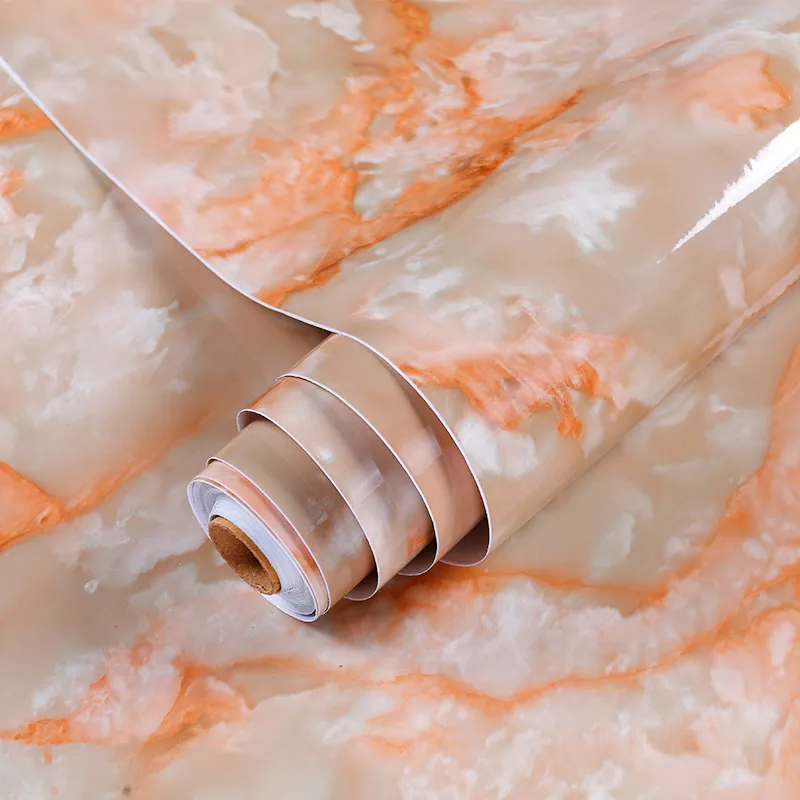
PVC (polyvinyl chloride) film is a versatile material widely used for decorative surfaces, protective covers, and packaging. However, plain PVC film is often described as “not UV resistant” — meaning prolonged exposure to sunlight can cause color fading, brittleness, chalking, and loss of mechanical strength. This article explains why PVC film struggles with UV resistance, what effects to expect, and practical ways manufacturers and buyers can improve UV performance.
PVC’s polymer backbone does not inherently block high-energy ultraviolet (UV) photons. UV light (especially UVA and UVB) can break chemical bonds in the polymer and in organic additives, initiating photochemical degradation. Several contributing factors explain the limited UV resistance:
PVC contains chlorine atoms and C–H bonds that are prone to dehydrochlorination when heated or irradiated. That chain reaction leads to conjugated polyenes (unsaturated sequences) causing yellowing and loss of flexibility.
Common plasticizers and organic stabilizers can themselves be UV-sensitive. When these migrate out or break down under sunlight, surface tackiness, bloom, or cracking can occur.
Not all pigments block UV effectively. Transparent or light-colored films let more UV pass, accelerating substrate damage. Thin calendered films offer little physical barrier to UV light.
Over weeks to years of direct sunlight, signs of UV damage on PVC film can include:
| Cause | Typical Effect | Improvement Strategy |
|---|---|---|
| Direct UVA/UVB exposure | Polymer chain scission, yellowing | UV absorbers or surface coatings |
| Unstabilized plasticizers | Brittleness, migration, tackiness | Use high-stability plasticizers and migration inhibitors |
| Thin, transparent formulation | Rapid color fade | Pigment selection or multi-layer films |
Manufacturers use a combination of formulation changes, surface treatments, and structural design to produce PVC films with significantly improved UV resistance:
UV absorbers (e.g., benzotriazoles, benzophenones) absorb harmful wavelengths and dissipate energy as heat. HALS do not absorb UV but interrupt the free-radical degradation cycle, offering long-term stabilization. Combining both types usually gives the best performance.
Fine particles such as titanium dioxide (TiO2) or certain metal oxides scatter and absorb UV light. Opaque or highly pigmented films naturally resist UV penetration better than clear films.
Applying a UV-resistant lacquer, fluoropolymer, or acrylic coating on the face of the film creates a sacrificial barrier. Multi-layer laminates with a UV-stable outer layer are commonly used for outdoor-grade decorative films.
Blending PVC with UV-stable polymers or using protective tie layers can enhance weatherability. Co-extruded multi-layer films allow the use of UV-durable materials on the exterior while keeping cost-effective PVC cores.
Ask suppliers for independent accelerated weathering results showing color retention (ΔE), gloss retention, tensile strength after exposure, and recommended service life under different UV index conditions.
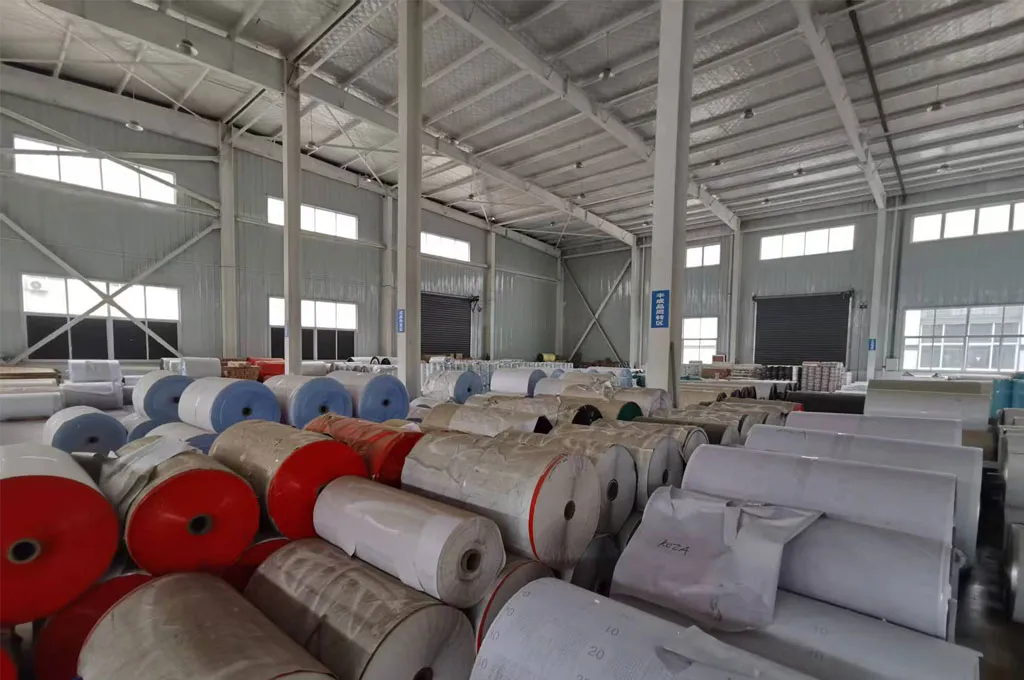
When sourcing UV-improved PVC film, verify that the chosen partner controls production steps from raw materials to final packing. One such supplier with full in-house capabilities is Pulivk, which runs calendering, printing, and split-packaging lines to ensure consistent quality and faster lead times.
Standard PVC film is not UV resistant because of intrinsic polymer chemistry and the vulnerability of organic additives. However, modern formulation strategies, coatings, and multi-layer designs can deliver durable, weatherable PVC films for outdoor and high-UV applications. Match the level of UV protection to your project’s exposure conditions and request lab-tested data to confirm long-term performance.