Address
304 North Cardinal St.
Dorchester Center, MA 02124
Work Hours
Monday to Friday: 7AM - 7PM
Weekend: 10AM - 5PM
Address
304 North Cardinal St.
Dorchester Center, MA 02124
Work Hours
Monday to Friday: 7AM - 7PM
Weekend: 10AM - 5PM


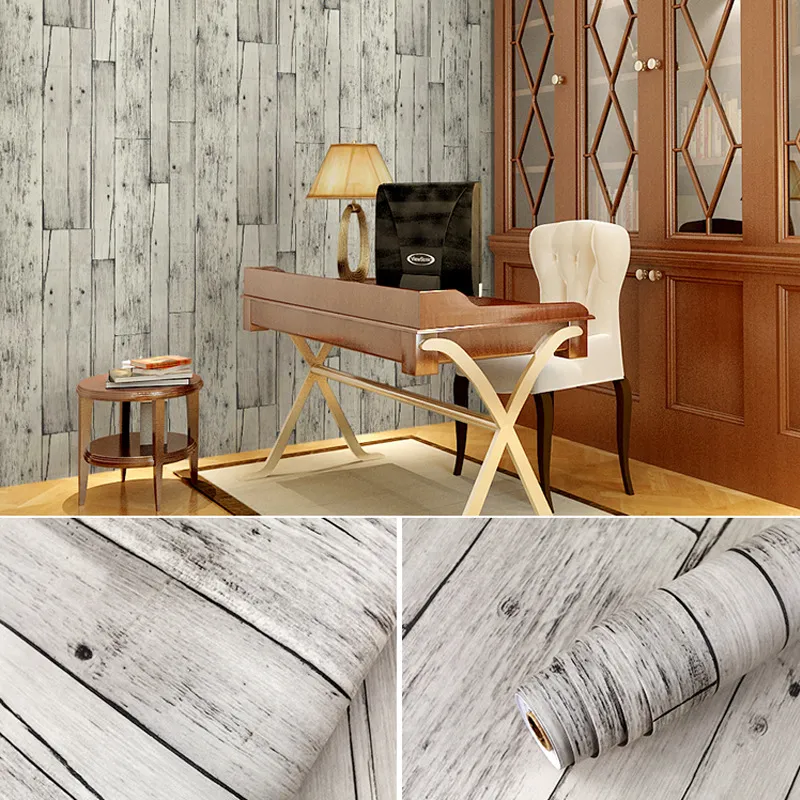
Choosing the right PVC wood grain film can transform ordinary surfaces into convincing natural wood finishes without the cost or maintenance of real timber. This guide covers the visual and performance cues that indicate high realism, practical inspection steps, and installation tips to ensure the finished result looks authentic in any setting.
Cost and consistency: PVC wood grain film offers a budget-friendly alternative to real wood while delivering consistent color and pattern across large runs—ideal for retail displays, cabinetry, skirting boards, and interior doors.
Low maintenance and durability: High-quality films resist scratches, moisture and staining, making them suitable for kitchens, bathrooms, and high-traffic areas where real wood might warp or discolor.
Design flexibility: Available in a wide range of species simulations (oak, walnut, maple), finishes (matte, glossy, 3D emboss), and widths—so you can match contemporary, rustic, or classic interiors.
High-resolution printing: Look for films printed with multi-tone color depth and subtle hue variations; a flat, single-tone print reads as artificial.
Tactile embossing (registered emboss): Texture must align precisely with the printed grain. Registered embossing provides a natural hand-feel by matching raised grain to the visual pattern.
Grain variation and asymmetry: Natural wood shows non-repeating knots, streaks, and breaks. Authentic-looking films incorporate non-uniform patterns and scaled knots rather than perfectly repeating tiles.
Sheen control: Real wood reflects light differently along and across the grain. Choose films with controlled matte or satin sheens for a convincing finish—high-gloss often reads as synthetic unless matched to polished timber.
1. Visual depth test: Hold the sample at an angle under natural light. Realistic films show layered color depth and subtle shadowing in grooves.
2. Touch and emboss alignment: Run your fingertips across the grain—raised and recessed areas should align with printed lines.
3. Repeat-tile check: Look across several meters of film. A true high-realism print minimizes obvious repeating seams or mirrored motifs.
| Feature | What to Look For | Recommended Spec |
|---|---|---|
| Print Resolution | Multi-tone printing, visible depth | ≥ 600 dpi, CMYK + spot varnish options |
| Embossing | Registered emboss that matches grain | Registered / 3D emboss available |
| Thickness | Stable laying and resistance to tearing | 50–300 μm depending on application |
| Wear & UV Resistance | Fade and scratch protection for longevity | Surface coating with UV stabilizers, anti-scratch layer |
| Adhesion / Backing | Suitable adhesive for the substrate | Pressure-sensitive or heat-activated adhesives per substrate |
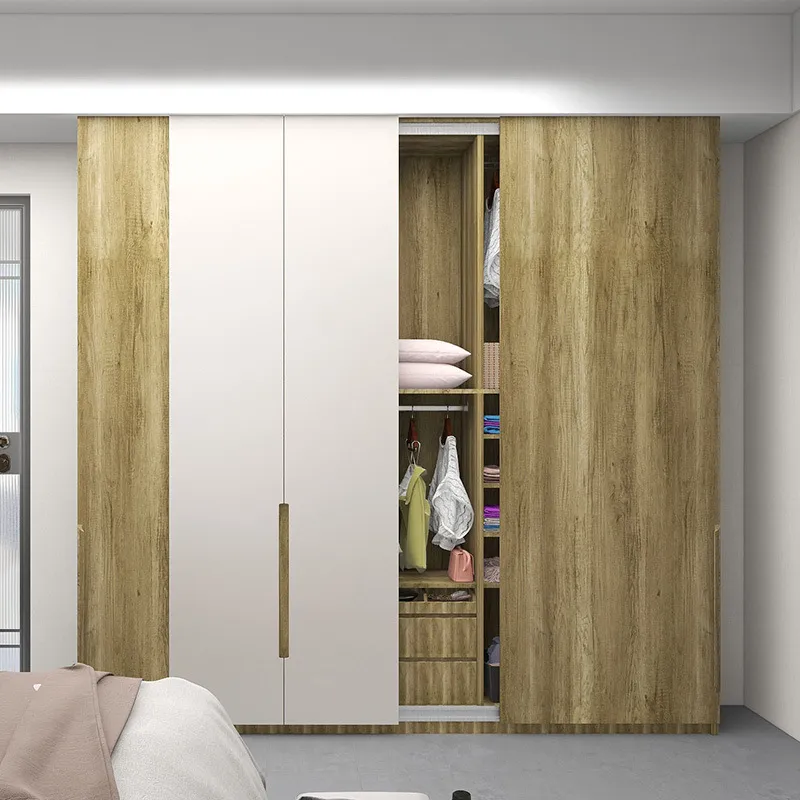
Furniture & cabinets: Use films with registered emboss and anti-scratch coating. Match the film grain direction to drawer and door faces to enhance realism.
Skirting and trim: Choose narrower widths with a flexible backing that conform to profiles—consider split-packaging to reduce waste when producing short lengths.
Floors & wet areas: Select thicker, wear-rated films with strong slip and water resistance. Ensure seams are sealed and choose matte or low-sheen finishes to mimic real wood floors.
Grain direction: Always orient panels so grain runs in the natural direction (lengthwise on doors, horizontal or vertical per room layout) to avoid visual conflicts.
Seam planning: Plan seaming where pattern transitions are least obvious. Use opposing grains or deliberate breaks to disguise repeats.
Edge finishing: Heat-bond edging or protective T-seals improve durability at high-use edges and maintain a seamless appearance.
Certifications: Ask for RoHS / REACH / phthalate-free declarations if indoor air quality is a priority. Check for UV and abrasion test reports.
Samples and small runs: Always request physical samples and short-roll trials before mass ordering—this confirms color under your lighting and checks emboss registration in person.
OEM & customization: If you need custom colors, prints, or packaging, select a supplier with full in-house production (calendering, printing and split-packaging) to ensure consistent quality and predictable lead times.
Pulivk — Henan Pulivk New Materials Co., Ltd. (https://pvcfilmtec.com/) provides calendered printing, registered embossing, split-packaging and OEM flexibility to support high-realism PVC wood grain film production and reliable global delivery.
1. Inspect printed depth and emboss alignment. 2. Verify wear & UV test data. 3. Confirm adhesive/backing matches your substrate. 4. Order samples and a short pilot run. 5. Ask about split-packaging for inventory efficiency.
Following these steps helps ensure the PVC wood grain film you select will deliver a natural, durable, and visually convincing wood finish for your project.