Address
304 North Cardinal St.
Dorchester Center, MA 02124
Work Hours
Monday to Friday: 7AM - 7PM
Weekend: 10AM - 5PM
Address
304 North Cardinal St.
Dorchester Center, MA 02124
Work Hours
Monday to Friday: 7AM - 7PM
Weekend: 10AM - 5PM


 ByPulivk
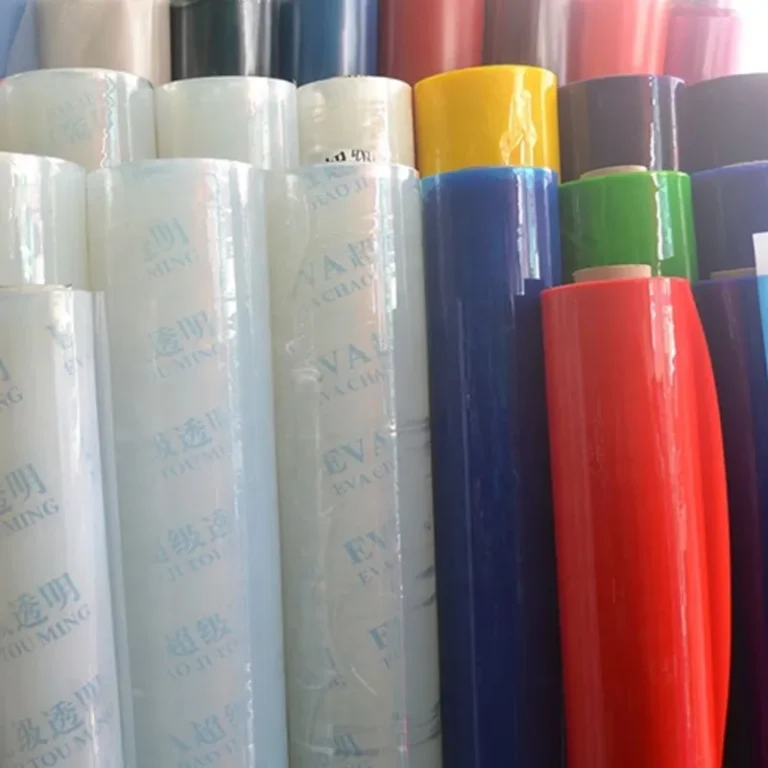
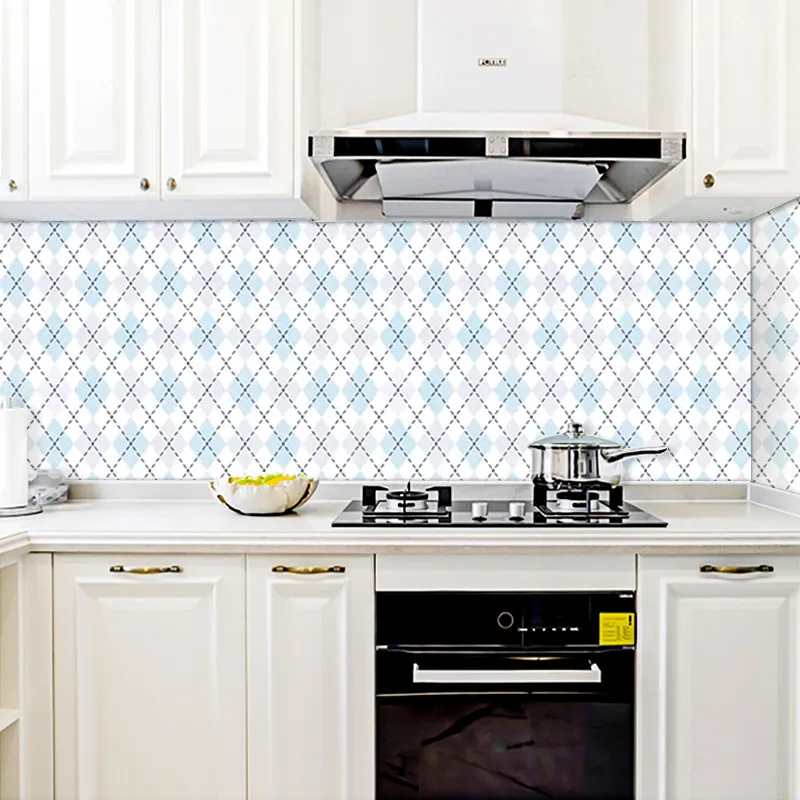
Polyvinyl chloride (PVC) decorative film has become one of the most versatile surfacing materials in modern interior design and industrial manufacturing. Whether you are renovating a kitchen, upgrading furniture surfaces, or specifying materials for a large-scale construction project, understanding the different types, benefits, and selection criteria of PVC decorative film is essential for achieving both aesthetic appeal and long-term durability. This guide walks you through everything you need to know before making a purchase decision.
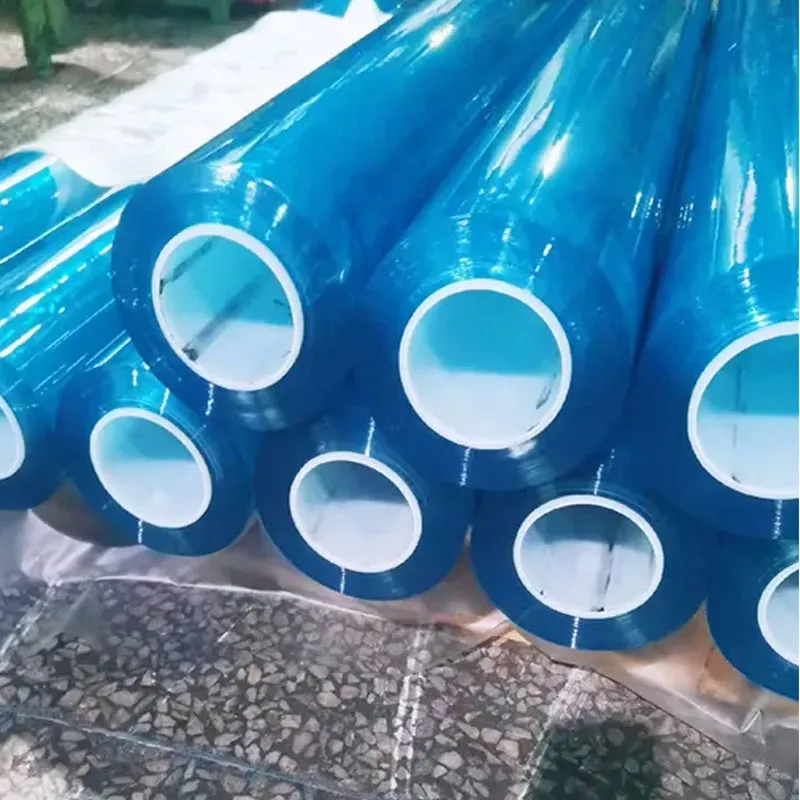
PVC decorative film is a thermoplastic polymer sheet engineered to replicate the look and texture of natural materials such as wood, stone, metal, and fabric. Manufactured through calendering or casting processes, these films are available in a wide range of colors, patterns, and surface finishes. They are widely used for laminating onto substrates like MDF, particleboard, plywood, and even metal or plastic panels. The material conforms to international standards including the ASTM PVC Film Standard for nonrigid vinyl chloride plastic sheeting, ensuring consistent performance across applications.
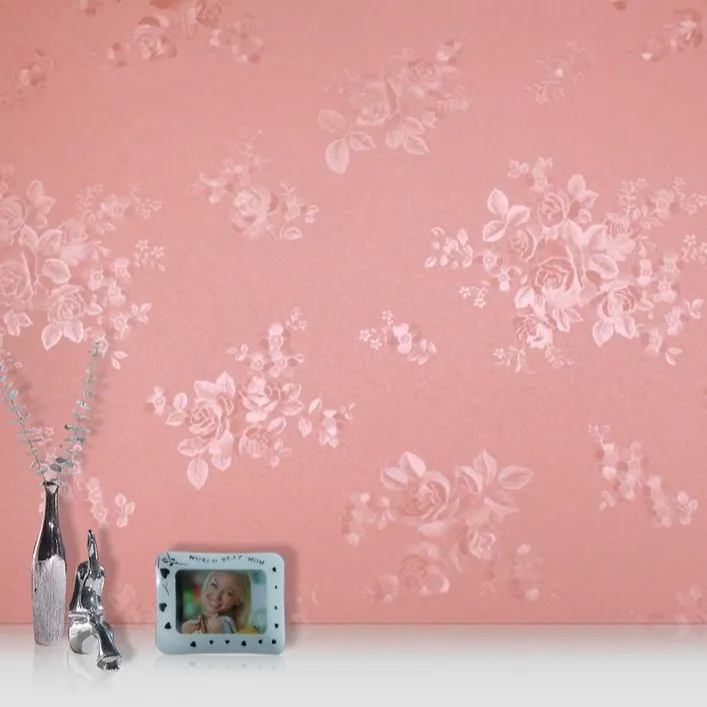
Selecting the right type of PVC decorative film depends heavily on the intended application, substrate material, and desired visual effect. Below are the most common categories available on the market today, each offering distinct characteristics in terms of texture, durability, and finish.
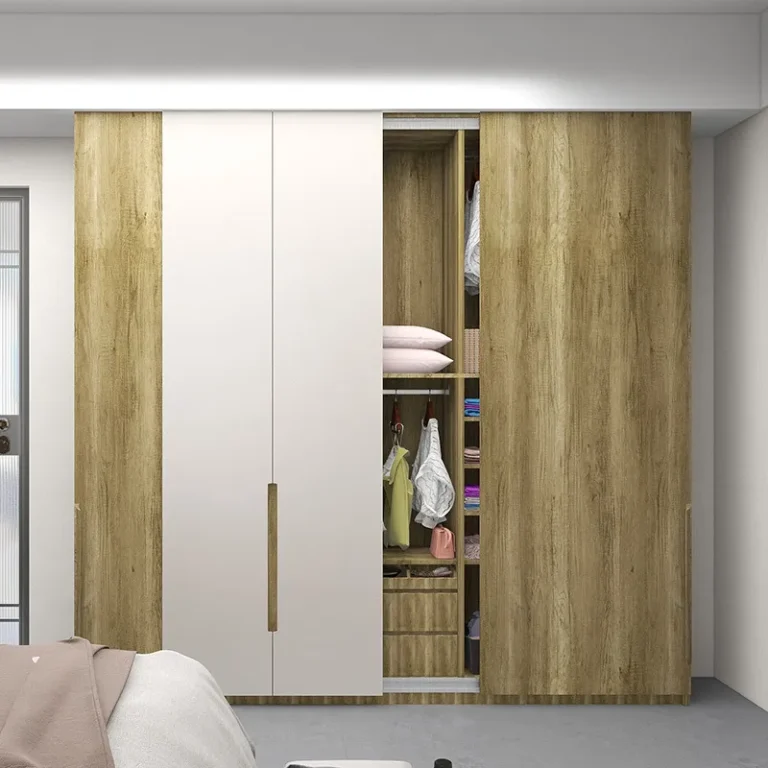
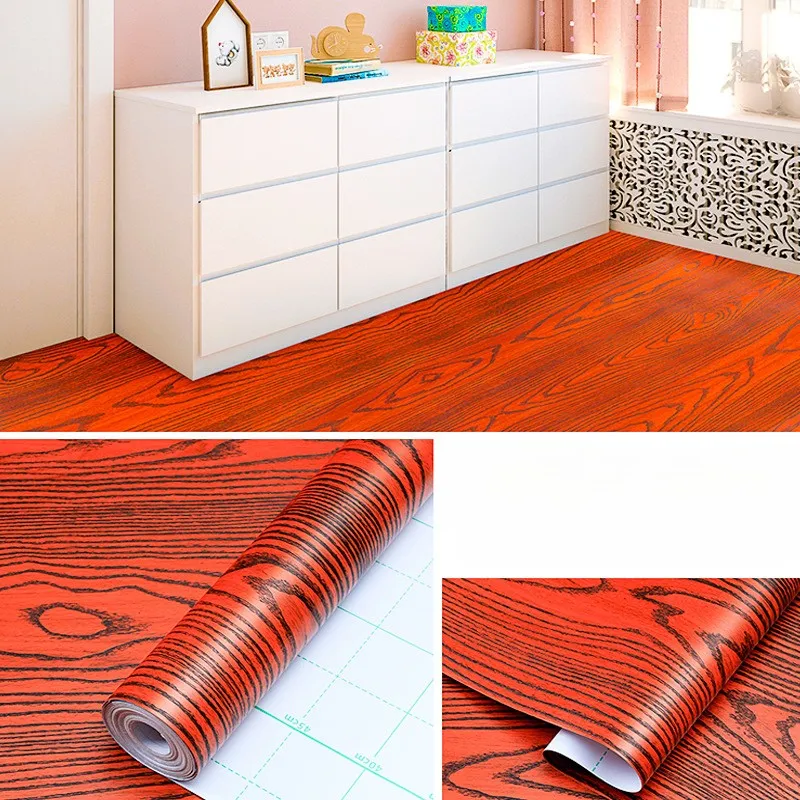
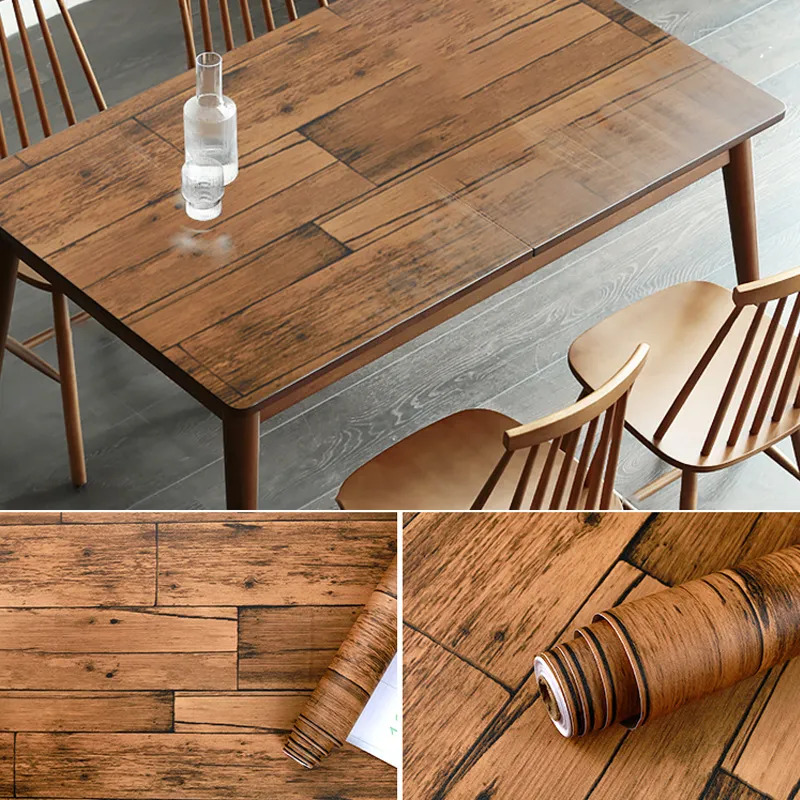
Wood grain PVC film is designed to faithfully reproduce the natural grain patterns, knots, and color variations found in real timber species such as oak, walnut, cherry, and teak. It provides the warmth and elegance of solid wood at a fraction of the cost, making it a popular choice for wood grain film applications in furniture manufacturing. The film can be produced with matte, semi-gloss, or high-gloss finishes, and many variants include synchronized embossing that aligns the texture with the printed grain for remarkably realistic tactile feedback.
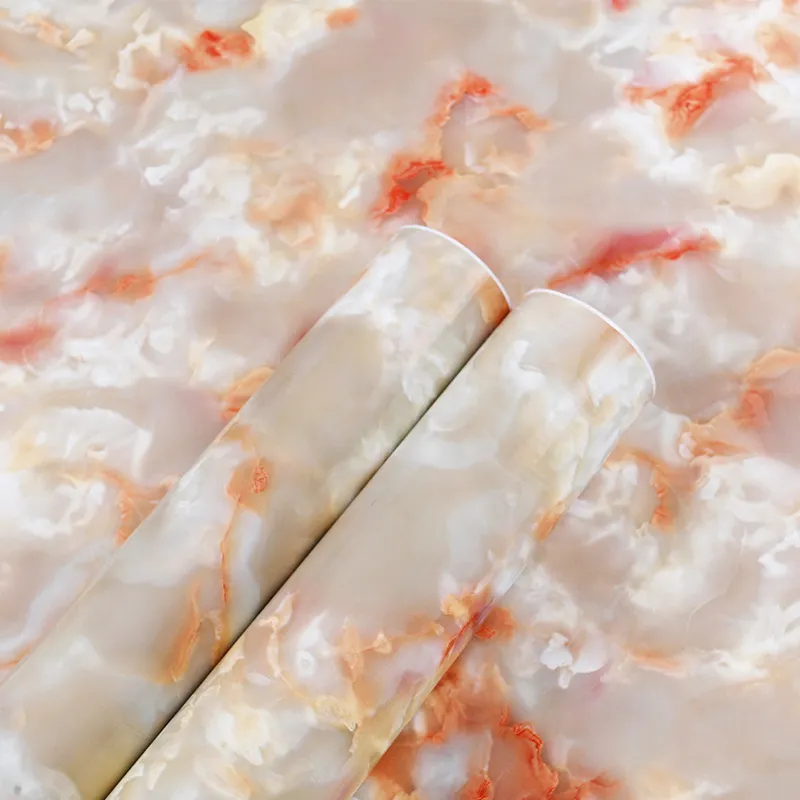
Marble effect films capture the luxurious veining and depth of natural stone without the weight, cost, or installation complexity. These films are frequently specified for wall panels, column wraps, and TV background walls. High-definition printing technology combined with deep embossing creates a surface that closely mimics honed or polished stone. The marble film category includes Carrara, Calacatta, travertine, slate, and granite patterns suitable for both residential and commercial interiors.
For projects requiring enhanced depth and tactile interest, 3D texture films offer raised patterns that can be felt to the touch. These include silk texture, leather grain, brushed metal, linen, and geometric relief designs. The embossing process creates permanent three-dimensional structures on the film surface, adding visual complexity and helping mask minor substrate imperfections.
Solid color films deliver clean, uniform surfaces in virtually any hue. High-gloss variants are particularly valued for wardrobe doors, kitchen cabinets, and modern furniture pieces where a reflective, mirror-like finish is desired. Matte solid color films, by contrast, offer a subdued and sophisticated appearance suitable for minimalist interior schemes. These films can be formulated with scratch-resistant topcoats to maintain their pristine look in high-traffic environments.
Beyond decorative purposes, functional PVC films address specific performance requirements. Anti-static films protect sensitive electronic components during manufacturing and transport. UV-resistant formulations prevent yellowing and degradation in outdoor or sun-exposed applications. Antibacterial films incorporate antimicrobial additives for use in medical facilities and cleanroom environments. Floor film products feature wear layers and slip-resistant textures for demanding underfoot conditions.
Understanding the advantages of PVC decorative film helps explain its widespread adoption across multiple industries. The material combines practical performance with design flexibility in ways that traditional surfacing materials often cannot match.
The adaptability of PVC decorative film has led to its adoption in a remarkably diverse range of sectors. Each application places different demands on the film in terms of wear resistance, fire rating, chemical resistance, and aesthetic consistency.
| Industry Sector | Typical Applications | Recommended Film Types |
|---|---|---|
| Furniture Manufacturing | Cabinet doors, tabletops, wardrobe surfaces, shelving | Wood grain, glossy solid color, matte texture films |
| Building & Construction | Wall panels, ceiling tiles, door skins, partition systems | Stone pattern, solid color, 3D embossed films |
| Flooring Solutions | Residential flooring, commercial vinyl tiles, bathroom floor stickers | Wear-resistant floor film with UV topcoat |
| Electronics & Appliances | Appliance panels, protective films, antistatic packaging | Antistatic film, brushed metal texture film |
| Advertising & Display | Lightbox films, exhibition backdrops, signage | Transparent calendered film, printable matte film |
| Medical & Cleanroom | Antibacterial surfaces, cleanroom packaging, protective barriers | Antibacterial PVC film, easy-clean glossy film |
Making an informed purchase requires evaluating several technical and practical factors. The following buying guide highlights the most critical considerations when sourcing PVC decorative film for your project.
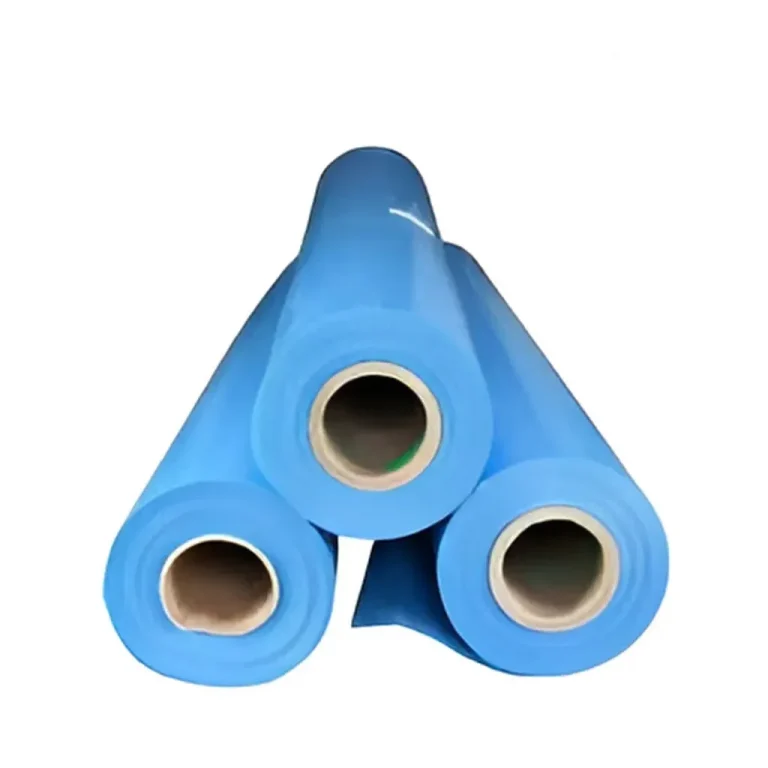
PVC decorative films typically range from 0.03 mm to 0.50 mm in thickness, with widths up to 1,500 mm. Thinner films (0.03–0.10 mm) are suited for lightweight decorative overlays and short-term applications, while thicker gauges (0.12–0.50 mm) provide the structural integrity needed for furniture surfaces, flooring, and high-traffic wall panels. Always confirm the available dimensions with your supplier and inquire about custom slitting services to match your production equipment. Testing according to ISO Film Thickness Standard ensures uniformity across the roll.
The surface finish dramatically affects both the visual impression and the practical performance of the installed film. Matte finishes reduce glare and fingerprint visibility, making them ideal for horizontal surfaces and areas with strong lighting. Glossy finishes maximize color depth and create a premium, reflective appearance suited to modern cabinetry. Textured and embossed finishes add tactile dimension and can effectively hide minor surface scratches that accumulate over time.
Most PVC decorative films are applied using either cold lamination with solvent-based or water-based adhesives, or through vacuum membrane pressing with heat activation. Verify that your chosen film is compatible with your existing lamination equipment and adhesive system. Self-adhesive variants with peel-and-stick backing are available for DIY applications and smaller renovation projects, offering convenience without specialized machinery.
Reputable manufacturers test their films against established industry standards. Key tests relevant to decorative films include abrasion resistance, stain resistance, color fastness under UV exposure, and dimensional stability under temperature changes. The PVC Flooring Standard (ISO 10581) provides a useful benchmark even for non-flooring applications, as it defines rigorous performance criteria for wear and durability. Request technical data sheets that document test results before committing to large-volume orders.
Standard product MOQs typically start around 3,000 square meters per design, though this varies by manufacturer. Custom color matching or specialty film formulations may require higher minimums due to production setup costs. Discuss lead times upfront, especially for customized orders that involve gravure cylinder engraving or specific embossing roller configurations. Established suppliers with PVC Life Cycle Assessment documentation often provide more predictable scheduling and consistent batch-to-batch color matching.
When assessing PVC decorative film samples, pay close attention to the following quality indicators that distinguish premium products from commodity-grade alternatives:
Proper installation and routine care significantly extend the service life of PVC decorative film surfaces. For cold lamination, ensure the substrate is clean, dry, and free of dust or grease before applying adhesive. Use a roller or press to apply uniform pressure across the entire surface, eliminating air bubbles that can cause blistering. For vacuum membrane pressing, follow the film manufacturer’s recommended temperature and cycle time parameters to achieve optimal adhesion without overheating the material.
Day-to-day maintenance is straightforward. Clean surfaces with a soft, damp cloth or sponge and a pH-neutral detergent. Avoid abrasive cleaning pads, steel wool, strong acids, and alkaline cleaners that can scratch or chemically attack the film surface. With proper care, high-quality PVC decorative film installations can maintain their appearance and functionality for many years.
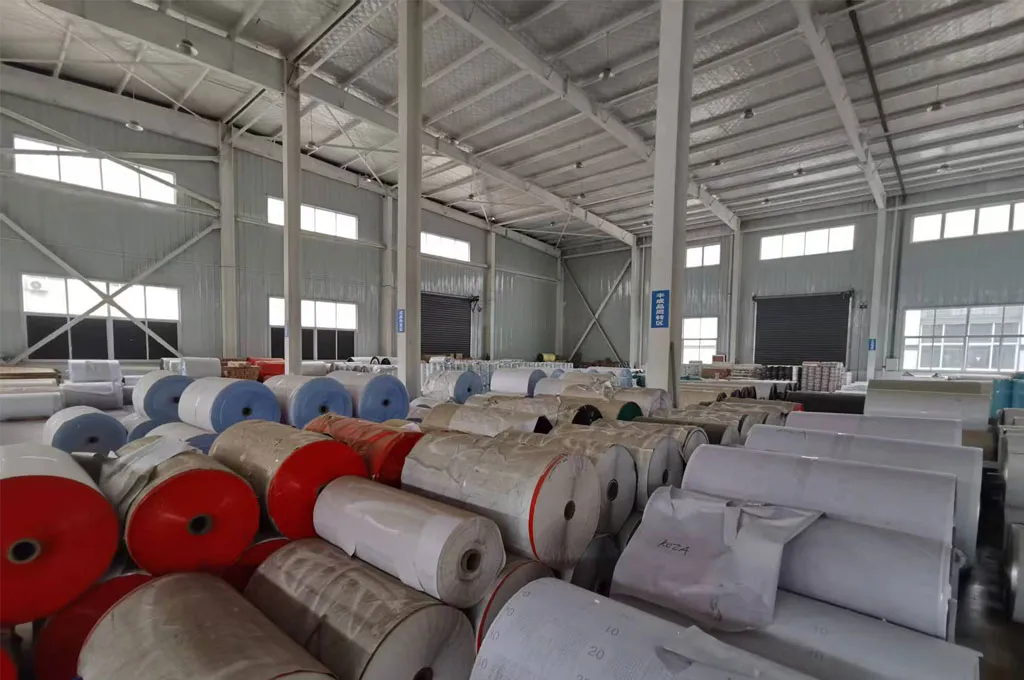
The global PVC decorative film market includes numerous suppliers, but working directly with manufacturers who control the entire production chain offers significant advantages. Henan Pulivk New Materials Co., Ltd. operates integrated calendering lines, printing lines, and split-packaging lines under one roof, enabling strict quality oversight from raw material processing to finished packaging. This full in-house production capability translates into more stable quality, faster lead times, and cost efficiencies that benefit distributors, furniture manufacturers, and construction material suppliers worldwide.
When evaluating potential suppliers, consider their export experience, quality control protocols, customization capabilities, and technical support infrastructure. A manufacturer that offers OEM and ODM services with flexible specifications, packaging options, and labeling can adapt to your brand requirements and market positioning. Request samples, visit production facilities when possible, and verify certifications relevant to your target markets before establishing a long-term partnership.
Yes, PVC decorative film can be applied to clean plasterboard, glass, ceramic tile, and other smooth wall surfaces. The appropriate film type and adhesive should be selected based on the substrate condition and the expected environmental exposure. For high-moisture areas like bathrooms, ensure the chosen film has adequate water resistance properties.
Calendered PVC film is produced by passing heated PVC compound through a series of rollers to achieve the desired thickness. This process is cost-effective for medium to heavy gauge films. Cast PVC film involves coating a liquid PVC mixture onto a carrier web and then curing it, resulting in excellent clarity and uniform thickness ideal for thin-gauge applications. Both methods can produce high-quality decorative films when properly controlled.
The service life depends on the film quality, application environment, and maintenance practices. Indoor applications using UV-stabilized films with protective topcoats can last 10–15 years or more with proper care. Outdoor exposure accelerates degradation, so films intended for exterior use should be specifically formulated with enhanced UV inhibitors and weather-resistant additives.
Modern PVC film formulations can be produced without lead, cadmium, or phthalate plasticizers, complying with RoHS and REACH regulations. The industry has made significant progress in recycling initiatives, and many manufacturers participate in circular economy programs aimed at reducing waste and promoting material recovery. When selecting products, look for environmental compliance documentation relevant to your region.
Whether you are sourcing PVC decorative film for furniture production, interior renovation, or specialized industrial applications, understanding the material types, performance characteristics, and selection criteria outlined in this guide will help you make confident, informed purchasing decisions that balance aesthetics, durability, and budget considerations.