Address
304 North Cardinal St.
Dorchester Center, MA 02124
Work Hours
Monday to Friday: 7AM - 7PM
Weekend: 10AM - 5PM
Address
304 North Cardinal St.
Dorchester Center, MA 02124
Work Hours
Monday to Friday: 7AM - 7PM
Weekend: 10AM - 5PM


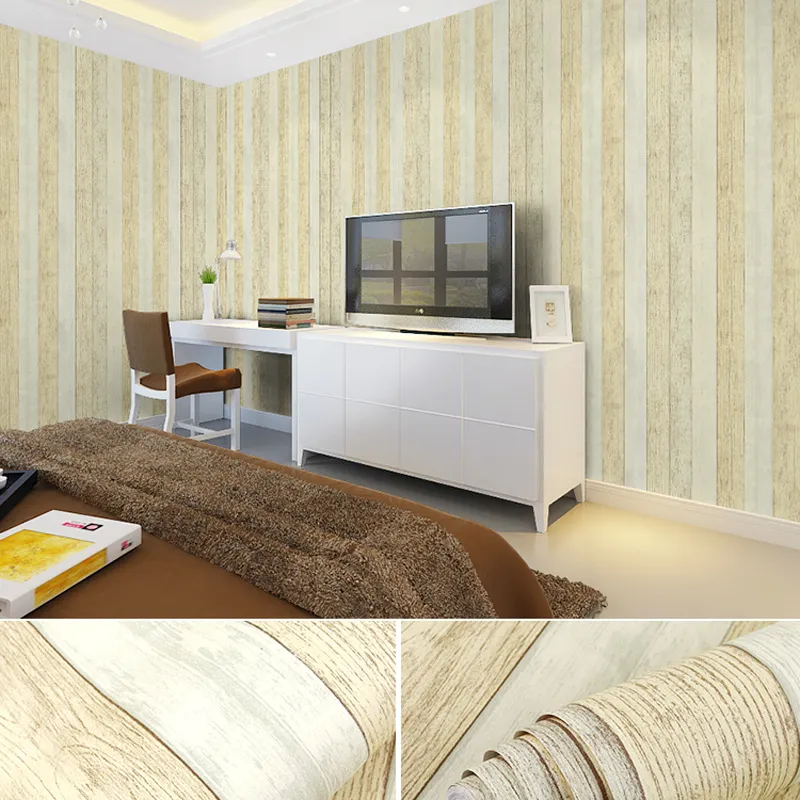
PVC decorative film is widely used to refresh furniture, appliances, vehicle interiors, and architectural elements. But when it comes to curved surfaces, not all PVC films behave the same. This guide explains which types of PVC film work best on curved shapes, how to prepare surfaces, practical application techniques, and troubleshooting tips to ensure a professional finish.
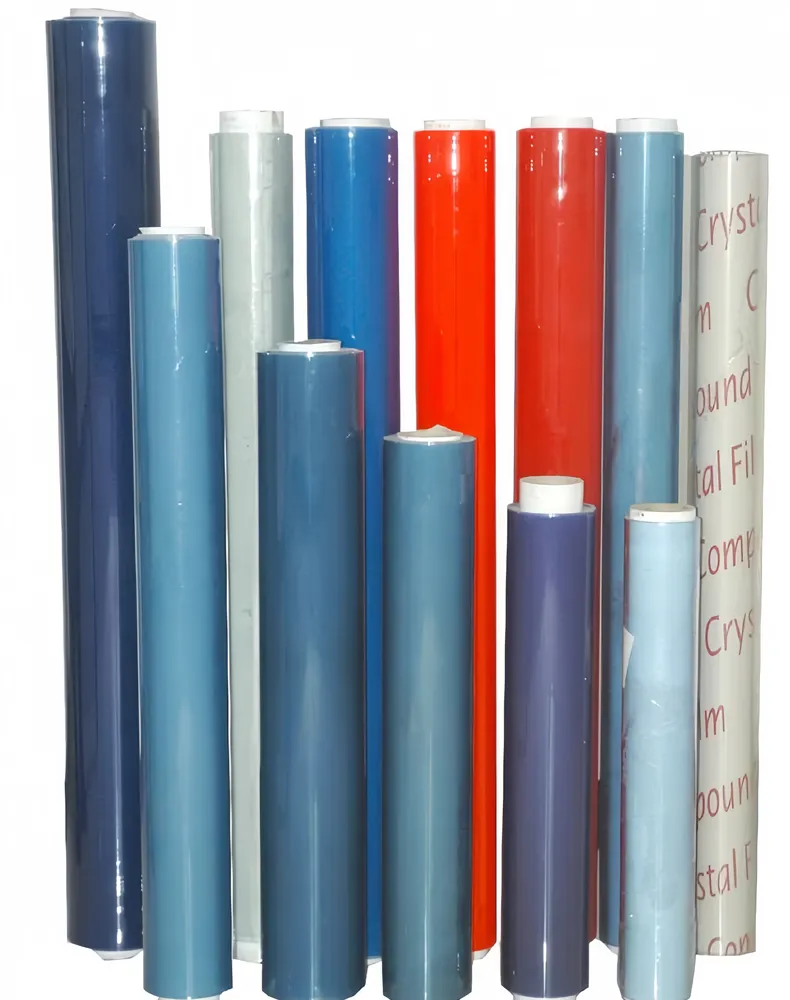
Calendered PVC is commonly used for decorative wraps and furniture laminates. It is cost-effective, available in many textures (wood grain, marble, gloss, matte), and offers moderate flexibility. Cast PVC (where available) is more conformable and better for tighter radii and complex curves, but typically costs more. Film thickness matters: thinner films (0.08–0.15 mm) conform easier, while thicker films (>0.3 mm) are more rigid and suited to gentle curves.
Yes — but suitability depends on several factors: the film type, thickness, backing adhesive, curvature radius, and whether the surface is convex (bulging) or concave (indented). Large-radius curves (gentle bends) are straightforward for most calendered films. Small-radius or compound curves require more flexible films, heat application, and skilled trimming.
Important: For very tight or 3D compound curves, consider a cast-type PVC or a specialist vinyl designed for vehicle wrapping — these will give better conformability with less risk of wrinkles or edge lift.
• Film Thickness & Type: Thinner calendered films stretch and conform better. Cast films conform with minimal memory.
• Adhesive Quality: Permanent acrylic adhesives with high initial tack are best for curved work; repositionable adhesives may not hold on tight radii.
• Surface Prep: Clean, dry, and smooth surfaces are essential—no dust, oil, or loose paint.
• Heat & Tension: Controlled heat (heat gun or infrared) relaxes PVC and helps it lay flat over curves. Avoid overheating which can distort patterns or damage substrate.
1. Prepare the Surface: Clean with isopropyl alcohol; remove grease and wax. Lightly sand glossy plastics or lacquered surfaces if adhesion is a concern.
2. Measure & Cut: Allow extra film for tucking and trimming. Pre-cut to manageable panels for compound curves.
3. Use the Right Method: For mild curves, dry application with a felt squeegee works. For tighter curves use the wet method (spray soapy solution), then squeegee and heat to set adhesive.
4. Apply Heat Carefully: Use low to medium heat and work slowly. Warm the film until pliable, stretch gently, and squeegee continuously to avoid air pockets.
5. Tuck & Trim: For edges and seams, tuck the film into grooves or behind trims. Use a sharp blade and replace blades often for clean cuts.
| Film Type | Typical Thickness | Recommended Min Radius | Best Use |
|---|---|---|---|
| Thin Calendered PVC | 0.08–0.15 mm | ≥ 10–15 mm | Narrow radii on furniture edges |
| Standard Calendered | 0.15–0.30 mm | ≥ 20–40 mm | Cabinet doors, mild curves |
| Cast/High-Conform PVC | 0.08–0.20 mm | ≥ 5–10 mm | Vehicle wraps, 3D molds |
Wrinkling: Caused by insufficient heat or improper tension. Reheat and smooth from center outward.
Edge Lift: Use a stronger adhesive or mechanically tuck the edge; consider primer on difficult plastics.
Color/Pattern Distortion: Excessive stretching can warp printed patterns — heat only enough to conform, not to over-stretch.
Adhesion Failure: Clean substrate thoroughly and allow the adhesive to cure (24–72 hours) after application for full bond strength.
Properly applied PVC film can last years on indoor curved surfaces. To extend life: clean gently with mild detergent, avoid abrasive cleaners, and protect from prolonged UV exposure where possible. For high-traffic or outdoor curved installations choose films with UV stabilizers and protective topcoats.
Do not use standard decorative PVC film on surfaces that flex or move regularly (e.g., folding parts), very high-temperature areas, or tiny, extremely tight compound curves where a specialty wrap film is required.
• Film Type: Calendered for furniture; cast for demanding curves.
• Thickness: Match to curve radius — thinner for tighter bends.
• Adhesive: Permanent acrylic with high tack for curved adhesion.
• Finish: Matte and textured hides imperfections; gloss highlights seams if not perfect.
For reliable supply of calendered and decorative PVC films suitable for curved applications, consider Pulivk — they operate full in-house production including calendering and printing lines to ensure consistent quality and flexible OEM options: https://pvcfilmtec.com/
If you’re tackling a curved project, test a small panel first, use the correct film type and heat technique, and plan seams and tucks before you start. With the right materials and method, PVC film can deliver excellent results on many curved surfaces.